
In today’s competitive business landscape, the environment in which a company operates can significantly influence its success. A well-designed commercial space not only enhances the aesthetic appeal but also boosts employee productivity, fosters creativity, and strengthens brand identity. This article delves into the essential aspects of commercial interior design, exploring its importance, trends, and practical tips for creating an impactful workspace.
Understanding Commercial Interior Design
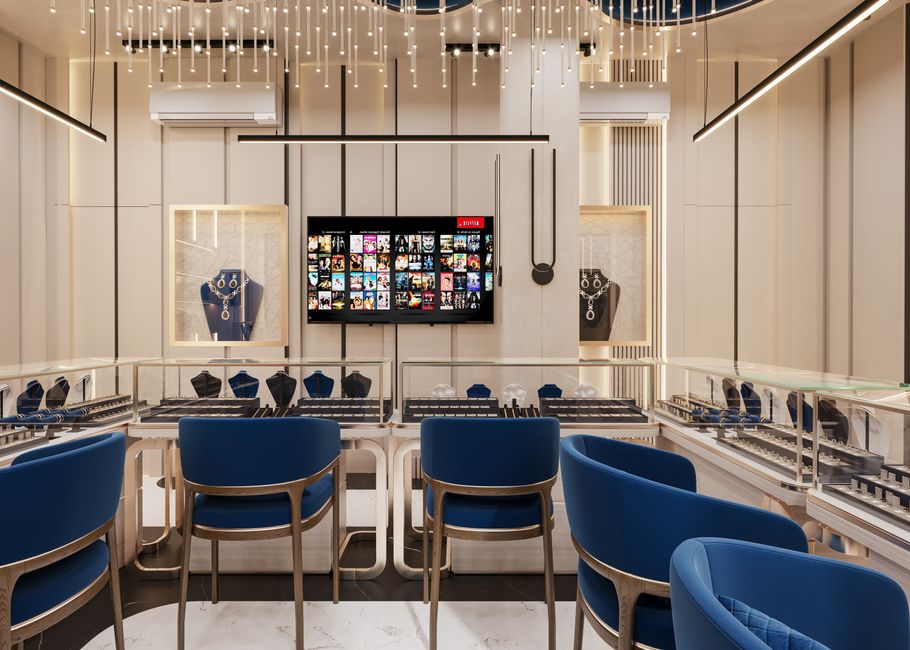
Commercial interior design refers to the art and science of enhancing the interiors of commercial spaces to achieve a healthier and more aesthetically pleasing environment. This type of design encompasses various sectors, including offices, retail stores, restaurants, and hotels. The primary goal is to create functional spaces that meet the specific needs of the business while also providing a welcoming atmosphere for clients and customers.
One of the critical elements of commercial interior design is understanding the client’s vision and requirements. Designers must consider the brand’s identity, target audience, and the overall functionality of the space. For instance, a tech startup might prefer an open-plan office with collaborative spaces, while a law firm may opt for a more formal and traditional layout. This tailored approach ensures that the design aligns with the company’s goals and enhances the user experience.
Current Trends in Commercial Interior Design
The world of commercial interior design is continually evolving, with trends reflecting changes in technology, lifestyle, and corporate culture. One prevalent trend is the integration of sustainability into design practices. More businesses are opting for eco-friendly materials and energy-efficient solutions, reflecting their commitment to social responsibility.
Another significant trend is the emphasis on biophilic design, which incorporates natural elements into commercial spaces. This can include the use of plants, natural light, and materials that mimic nature. Studies have shown that biophilic design can lead to increased employee well-being and productivity, making it a popular choice for modern offices.
Technology also plays a vital role in shaping commercial interiors. With the rise of remote work and flexible environments, many businesses are investing in smart office solutions that allow for adaptability and efficiency. This includes movable furniture, integrated technology, and collaborative spaces that can be easily reconfigured as needed.
Key Considerations for Successful Commercial Interior Design
When embarking on a commercial interior design project, several critical factors must be considered to ensure success. Firstly, understanding the target demographic is crucial. The design should resonate with the intended audience, whether it’s clients, employees, or customers. For example, a children’s clothing store may use vibrant colors and playful layouts to attract young families, while a high-end boutique might opt for a more sophisticated and minimalist approach.
Budget is another vital consideration. A well-planned budget helps in making informed decisions about materials, furnishings, and design elements. It’s essential to strike a balance between quality and cost, ensuring that the final design reflects the brand’s values without exceeding financial constraints.
Lastly, working with a professional commercial interior designer can significantly streamline the process. Their expertise can guide businesses through the complexities of design, ensuring that all aspects, from space planning to color selection, align with the overall vision.
Case Studies of Successful Commercial Interior Design
Examining real-world examples of successful commercial interior design can provide valuable insights into best practices. One notable case is the redesign of the Airbnb headquarters in San Francisco. The design reflects the company’s values of community and belonging, featuring open spaces, collaborative areas, and vibrant colors that create an inviting atmosphere.
Another example is the Starbucks Reserve Roastery in Seattle, which showcases a unique blend of industrial chic and natural elements. The space not only serves as a coffee shop but also as a destination for customers to experience the brand’s story and immerse themselves in the coffee-making process. This strategic design approach reinforces brand identity and enhances customer engagement.
Conclusion
Commercial interior design plays a crucial role in shaping the success of a business. By creating functional, aesthetically pleasing environments, companies can enhance productivity, attract customers, and strengthen their brand identity. As we move forward, staying abreast of current trends and working with professional designers will be essential for businesses looking to create impactful commercial spaces that resonate with their target audience.