In an age where safety and security are paramount, ensuring that your home is well-protected has never been more critical. Home security systems serve as a vital line of defense against potential threats, providing homeowners with peace of mind. With a variety of options available, it can be overwhelming to choose the right system for your needs. This guide aims to break down the essentials of home security systems, offering insights into their benefits, types, and key features.
Understanding Home Security Systems
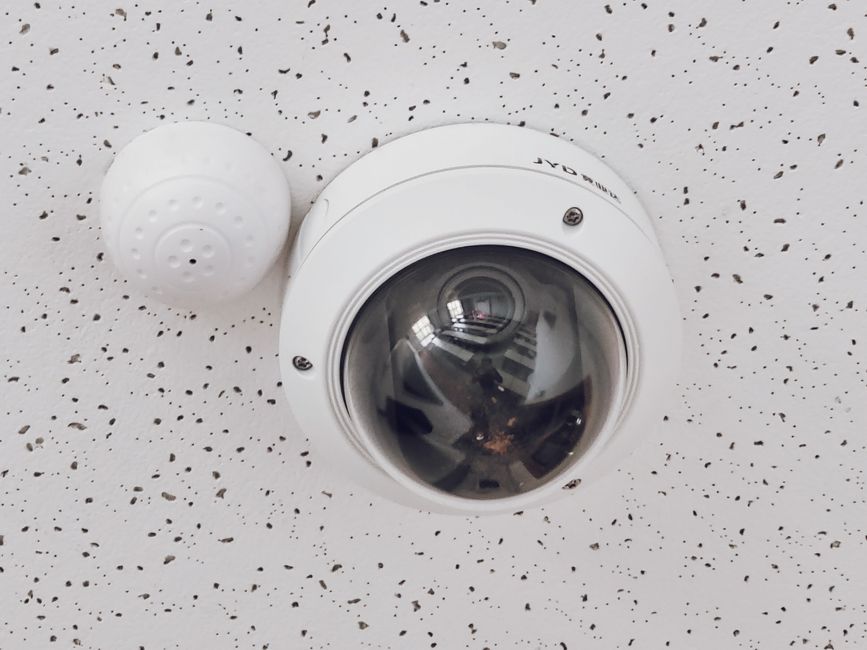
A home security system is a network of devices designed to protect your property from intrusions and emergencies. These systems can range from basic alarm systems to sophisticated setups that include cameras, motion detectors, and smart home integration. According to a report by the Security Industry Association, the global market for security systems is expected to grow significantly, reflecting a rising awareness among homeowners about the importance of security.
Home security systems not only deter burglaries but also provide alerts for other emergencies such as fires or gas leaks. A recent study revealed that homes without security systems are about three times more likely to be broken into compared to those equipped with one. This statistic emphasizes the importance of investing in a reliable system.
Types of Home Security Systems
There are several types of home security systems available, each with its unique features and benefits. The most common types include:
- Monitored Security Systems: These systems are monitored by a professional security company that responds to alerts and alarms.
- Unmonitored Security Systems: These systems rely on the homeowner to respond to alerts, often using loud alarms to deter intruders.
- Wired Security Systems: These systems use physical wires to connect components, offering reliable performance but can be complicated to install.
- Wireless Security Systems: Easier to install and often more flexible, these systems use Wi-Fi or cellular connections.
When selecting a type of system, consider factors such as the size of your home, your budget, and whether you prefer professional monitoring.
Key Features to Look For
When investing in a home security system, it’s crucial to understand what features to prioritize. Here are some essential features to consider:
- Video Surveillance: Cameras that provide real-time monitoring and recording can be invaluable. Look for systems that offer remote access via mobile apps.
- Motion Sensors: These devices can detect movement and trigger alerts, helping to catch intruders in the act.
- Smart Home Integration: Many modern systems can connect with other smart devices, allowing for seamless control and automation.
- Environmental Sensors: Systems that include smoke detectors and carbon monoxide alarms can provide comprehensive protection against various threats.
Investing in a system with these features can enhance your home’s security significantly. For further information on the benefits of a well-rounded home security system, consider consulting with security experts.
Cost Considerations
The cost of a home security system can vary widely based on the type, features, and installation methods. On average, homeowners can expect to spend between $200 to $1,500 for equipment and installation. Additionally, many monitoring services charge a monthly fee, which can add to the overall cost.
However, it’s essential to view this expense as an investment in safety. Many insurance companies offer discounts for homes equipped with security systems, potentially offsetting some of the costs. Research shows that the presence of a security system can also enhance property value, making it a wise financial decision.
Conclusion: Prioritizing Your Home’s Safety
In conclusion, investing in a home security system is a proactive step toward protecting your property and loved ones. With various types of systems and features available, understanding your specific needs is crucial in making an informed decision. By considering factors such as monitoring options, key features, and associated costs, you can find a system that best suits your home. Remember, the ultimate goal is to create a safe environment that allows you to feel secure in your own space.