Demolition is a critical phase in many construction projects, paving the way for new structures and developments. As urban landscapes evolve, the need for skilled professionals who can safely and efficiently demolish buildings has increased. This article delves into the essential functions, responsibilities, and considerations of a demolition contractor, providing insights into this often-overlooked aspect of construction.
The Importance of Demolition Contractors
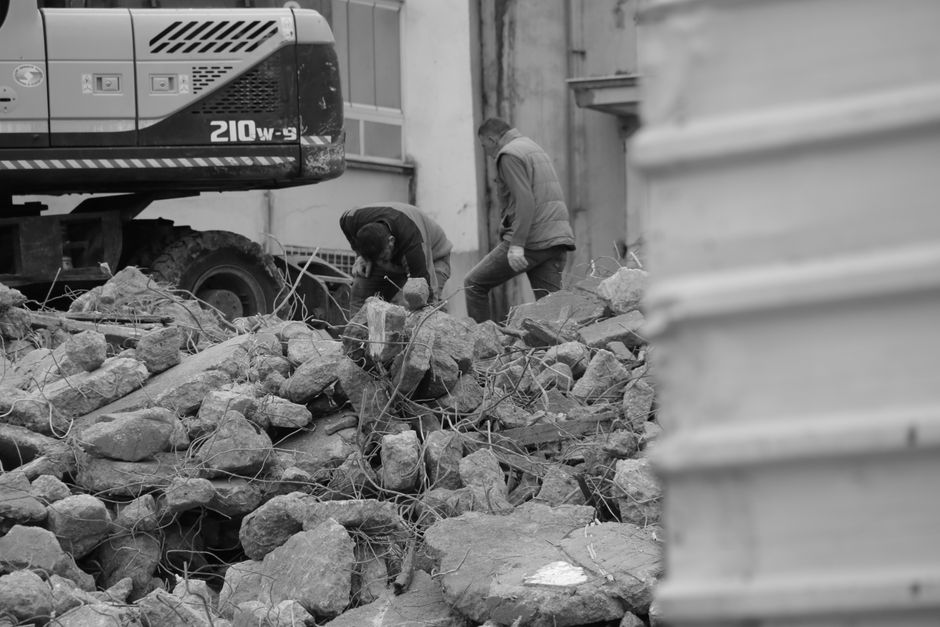
Demolition contractors play a vital role in the construction industry. Their expertise is not limited to tearing down buildings; they are responsible for ensuring that the demolition process is conducted safely, legally, and efficiently. With the potential risks involved in demolition, hiring a qualified contractor is essential for any project.
One of the primary reasons to hire a professional demolition contractor is safety. The demolition process can pose significant hazards, including structural collapses, exposure to hazardous materials, and environmental impacts. A skilled contractor will have the necessary training and experience to mitigate these risks effectively.
Furthermore, demolition contractors are well-versed in local regulations and permitting processes. This knowledge is crucial for ensuring compliance with local laws, which can vary significantly from one jurisdiction to another. Failure to adhere to these regulations can result in costly delays and legal issues.
Types of Demolition Services
Demolition contractors offer a range of services tailored to meet the specific needs of a project. These services can include residential demolition, commercial demolition, and industrial demolition. Each category has its unique challenges and requirements.
Residential demolition typically involves smaller structures, such as single-family homes or small multifamily buildings. In these cases, the contractor must consider the surrounding environment, including neighboring properties and local amenities. Effective planning and communication with residents are essential to minimize disruptions.
Commercial demolition, on the other hand, often involves larger structures and more complex logistical considerations. This might include high-rise buildings or retail spaces. A demolition contractor must coordinate with various stakeholders, including property owners, architects, and city planners, to ensure the project proceeds smoothly.
Demolition Techniques and Equipment
Demolition contractors utilize a variety of techniques and equipment to carry out their work. The choice of methods depends on factors such as the type of structure, location, and environmental considerations. Common techniques include mechanical demolition, explosive demolition, and deconstruction.
Mechanical demolition is the most common method, involving heavy machinery such as excavators and bulldozers. This approach is efficient and effective for most structures. However, in urban areas where space is limited, contractors may opt for more precise techniques.
Explosive demolition is a more specialized technique used for large structures, such as skyscrapers or bridges. This method requires extensive planning and expertise to ensure safety and precision. The demolition contractor must carefully calculate the placement of explosives to achieve the desired outcome without causing collateral damage.
Environmental Considerations
In recent years, there has been a growing emphasis on sustainability and environmental responsibility in the construction industry. Demolition contractors are increasingly adopting practices that minimize waste and reduce their environmental footprint.
One key aspect of this is the recycling and reuse of materials. Many demolition contractors now focus on salvaging materials like wood, brick, and metal, which can be repurposed in new construction projects. This not only reduces landfill waste but also conserves natural resources.
Additionally, contractors must be vigilant about hazardous materials, such as asbestos or lead, which may be present in older buildings. Proper handling and disposal of these substances are critical to ensuring the safety of workers and the surrounding community. A reputable demolition contractor will have protocols in place to manage these risks effectively.
Choosing the Right Demolition Contractor
Selecting the right demolition contractor is crucial for the success of any project. When evaluating potential contractors, consider their experience, reputation, and range of services offered. Look for contractors who have a proven track record in similar projects and can provide references from previous clients.
It’s also essential to discuss the contractor’s safety record and their approach to environmental compliance. A trustworthy contractor will prioritize safety and have measures in place to protect workers and the community.
Lastly, obtaining multiple quotes can help you understand the market rates and the services included. Ensure that you are comparing similar services and that all quotes are detailed and transparent.
For those in need of professional assistance, finding a qualified demolition contractor can make all the difference in the success of a construction project.
Conclusion
In conclusion, demolition contractors are essential players in the construction industry, providing critical services that ensure the safe and efficient removal of structures. From understanding the importance of safety to navigating complex regulations and embracing environmentally responsible practices, these professionals bring a wealth of knowledge to each project. As urban development continues to grow, the role of demolition contractors will only become more significant, underscoring the need for skilled experts in this field.