In the modern business landscape, the aesthetic and functionality of an interior space can significantly impact productivity and brand perception. This is where the role of a commercial interior designer becomes paramount. These professionals blend creativity with strategic planning to craft environments that not only look good but also serve specific business needs. From corporate offices to retail spaces, the importance of thoughtful design cannot be overstated.
Understanding Commercial Interior Design
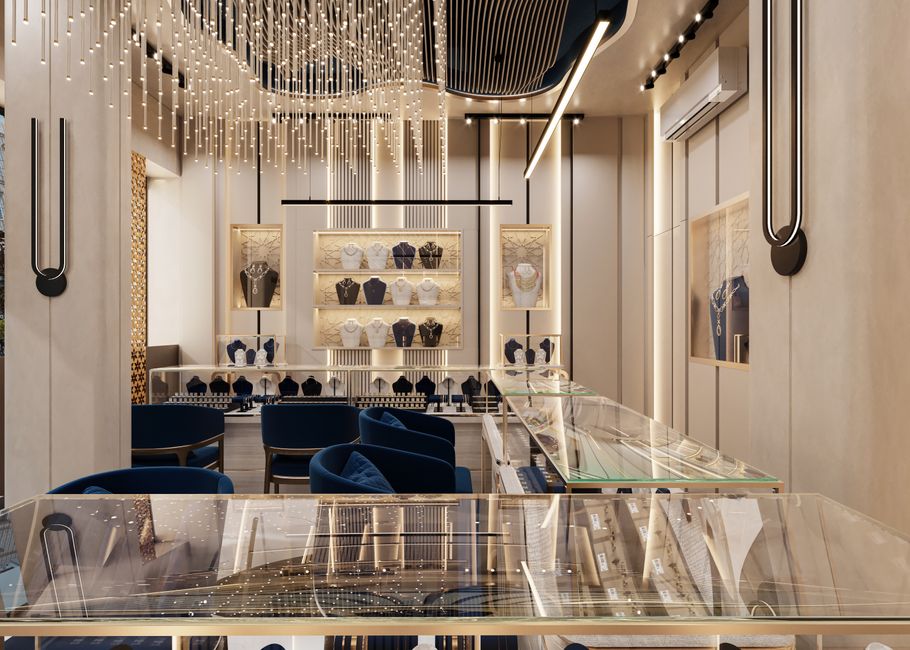
Commercial interior design involves the planning and designing of spaces intended for business use. Unlike residential design, which focuses on personal taste and comfort, commercial design prioritizes functionality, efficiency, and brand identity. Every detail is meticulously considered, from the layout to the color scheme, ensuring that the resulting space reflects the company’s ethos and serves its operational requirements.
The process typically begins with a thorough understanding of the client’s vision, needs, and budget. Designers conduct site assessments and gather information on building codes and regulations, ensuring that the design complies with all necessary standards. This foundational step is crucial in creating an effective design strategy that aligns with the client’s objectives.
Key Elements of Commercial Interior Design
Several key elements define successful commercial interior design. These include space planning, furniture selection, lighting, color palettes, and materials. Effective space planning maximizes the efficiency of the layout, allowing for smooth traffic flow and functionality. This often involves creating designated areas for specific activities, whether for collaboration, client interaction, or individual work.
Furniture selection is equally important, as it influences both the aesthetic and practical aspects of a space. Ergonomic designs encourage comfort and productivity, while stylish pieces can enhance the overall atmosphere. Lighting, often an overlooked aspect, plays a vital role in mood and productivity. Natural light is preferred where possible, but effective artificial lighting can also create an inviting environment.
Trends in Commercial Interior Design
The field of commercial interior design is continually evolving, influenced by changes in work culture and technology. One prominent trend is the shift towards open floor plans, which promote collaboration and communication among team members. However, this must be balanced with the need for quiet spaces where employees can focus on tasks without distractions.
Sustainability is another key trend, with many companies opting for eco-friendly materials and energy-efficient designs. This not only reduces environmental impact but also enhances the company’s image as socially responsible. Moreover, integrating technology into design is becoming increasingly common, with smart offices utilizing automation to improve efficiency and employee comfort.
How to Choose a Commercial Interior Designer
Selecting the right commercial interior designer is crucial for the success of any project. Potential clients should look for designers with a strong portfolio that showcases their experience in various types of commercial spaces. It’s essential to assess their understanding of the client’s industry and needs.
Communication is also vital; the designer should be open to ideas and feedback, fostering a collaborative environment throughout the design process. Additionally, checking references and previous client reviews can provide insight into the designer’s reliability and effectiveness. For those looking for a comprehensive approach, engaging a commercial interior designer can streamline the process and ensure a cohesive vision.
The Future of Commercial Interior Design
As businesses adapt to a rapidly changing environment, the future of commercial interior design looks promising. Designers will continue to play a pivotal role in creating spaces that support evolving work styles and employee well-being. The integration of wellness principles into design, such as biophilic design that incorporates natural elements, will likely become more prevalent.
Furthermore, the role of technology in design will expand, with virtual and augmented reality tools enabling clients to visualize spaces before implementation. As more businesses recognize the impact of their environments on employee satisfaction and productivity, the demand for skilled commercial interior designers will undoubtedly grow.
Conclusion
Commercial interior design is not merely about aesthetics; it is a strategic element that can influence a company’s success. By understanding the unique requirements of commercial spaces and staying abreast of current trends, designers can create environments that enhance productivity, promote collaboration, and reflect brand identity. As the industry continues to evolve, the value of expert commercial interior design will remain paramount in shaping the future of workspaces.