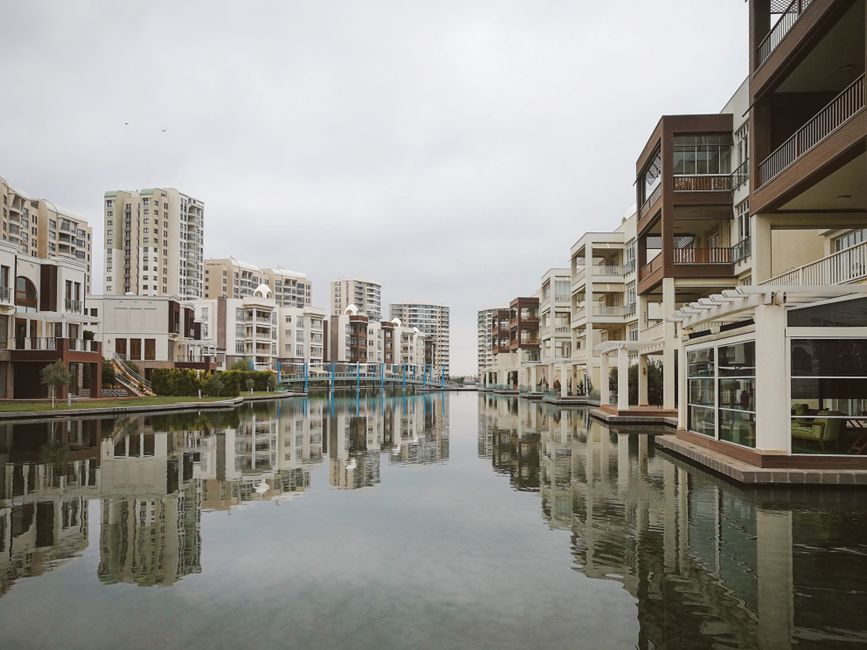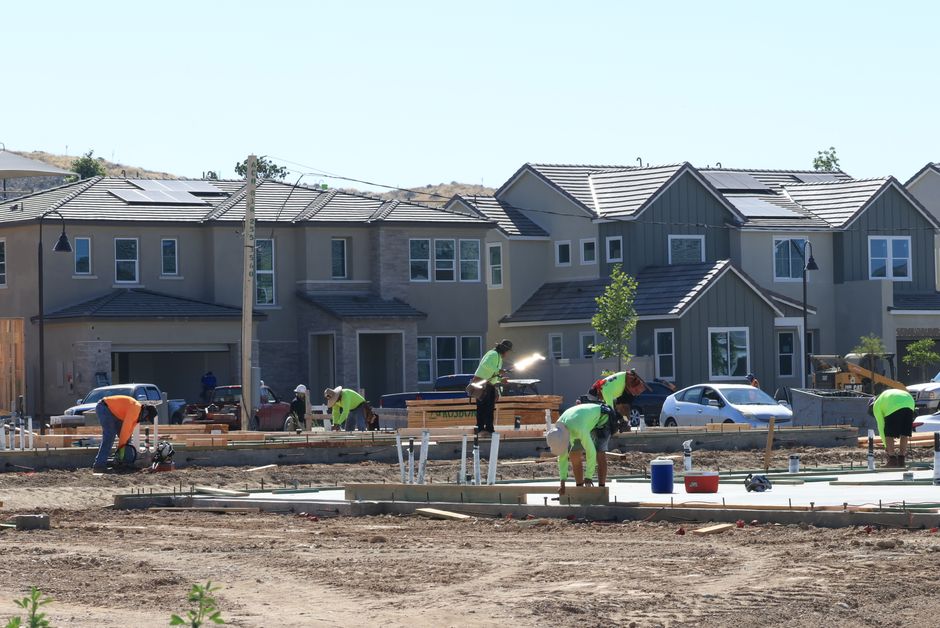
Landscape architecture is a unique blend of art and science that focuses on the design of outdoor spaces. It encompasses a range of disciplines, including horticulture, environmental science, and urban planning, to create functional and aesthetically pleasing environments. This field is not just about planting trees and flowers; it’s about understanding the intricate relationships between people, nature, and the built environment.
Understanding Landscape Architecture

At its core, landscape architecture involves the design of parks, gardens, and public spaces. Landscape architects work on a variety of projects, from urban plazas to suburban residential areas. They consider factors like topography, climate, and local ecosystems to create sustainable and harmonious designs. According to the American Society of Landscape Architects, the profession has evolved significantly over the years, adapting to changing societal needs and environmental challenges.
For instance, the integration of sustainable practices in landscape architecture has become increasingly important. By prioritizing native plants and sustainable materials, landscape architects aim to minimize environmental impact while enhancing biodiversity. This approach not only creates beautiful spaces but also promotes ecological health.
The Design Process
The process of landscape architecture typically begins with a thorough analysis of the site. Landscape architects assess the existing conditions, including soil quality, drainage patterns, and vegetation. This information is crucial for making informed design decisions. Once the analysis is complete, the design phase begins, where architects create detailed plans that outline the layout, materials, and plant selections.
One notable example of a successful landscape architecture project is the High Line in New York City. Once an abandoned railway, the High Line was transformed into an elevated park that showcases unique plantings and public art. This project not only revitalized a neglected area but also provided a green space for residents and visitors alike.
Challenges in Landscape Architecture
Despite its many rewards, landscape architecture is not without challenges. Landscape architects must navigate complex zoning laws, budget constraints, and community expectations. Additionally, climate change poses significant challenges, as rising temperatures and extreme weather events can impact the viability of certain plants and designs.
For example, in areas prone to flooding, landscape architects must design resilient landscapes that can withstand heavy rainfall and rising water levels. This often involves incorporating features like rain gardens and permeable paving to manage stormwater effectively. The role of a landscape architect is thus crucial in creating adaptable and resilient outdoor spaces.
The Future of Landscape Architecture
The future of landscape architecture is promising, with a growing emphasis on sustainability and innovation. As cities continue to expand, the demand for green spaces will only increase. Landscape architects are at the forefront of this movement, advocating for the integration of nature into urban environments.
Emerging technologies, such as drone surveying and 3D modeling, are also transforming the way landscape architects work. These tools allow for more accurate site assessments and design visualizations, making it easier to communicate ideas to clients and stakeholders. The incorporation of technology into landscape architecture enhances efficiency and creativity, paving the way for innovative design solutions.
Conclusion
In conclusion, landscape architecture is a multifaceted discipline that plays a vital role in shaping our outdoor environments. From creating beautiful public parks to addressing environmental challenges, landscape architects are essential in promoting sustainability and enhancing the quality of life in communities. As the profession continues to evolve, it remains critical to embrace innovative practices and prioritize ecological health in all design efforts.