
The fashion industry is undergoing a significant transformation, with custom clothing manufacturers playing a pivotal role in this evolution. As consumers become more discerning and demand personalized products, the need for manufacturers who can deliver bespoke solutions has never been greater. This article will explore the landscape of custom clothing manufacturing, its benefits, the technological advancements driving it, and how businesses can leverage these manufacturers to stand out in a competitive market.
Understanding Custom Clothing Manufacturing
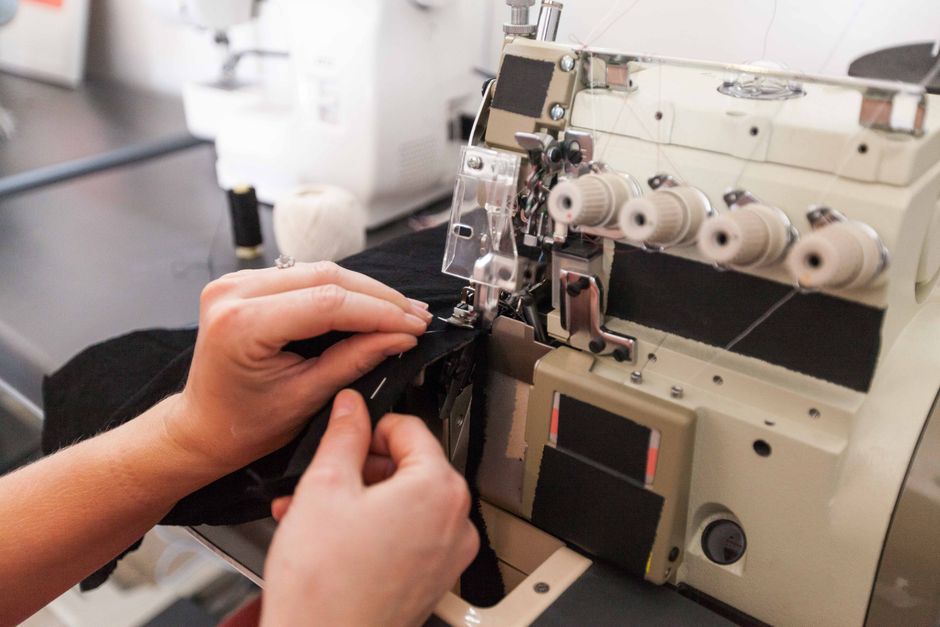
Custom clothing manufacturing refers to the process of producing garments tailored to specific requirements, including size, design, and material. Unlike mass production, which focuses on creating large quantities of standardized products, custom manufacturing emphasizes uniqueness and individual preferences. This shift has been fueled by the rise of e-commerce and technology, enabling consumers to access tailored solutions directly from manufacturers.
In recent years, the market for custom clothing has seen substantial growth. According to a recent report, the global custom clothing market is expected to reach USD 1.5 billion by 2025, reflecting an increase in consumer demand for personalized fashion. This trend is not just limited to high-end fashion; everyday consumers are increasingly seeking out custom options for both casual and formal wear.
Benefits of Custom Clothing
One of the primary advantages of working with a custom clothing manufacturer is the ability to create unique garments that reflect individual style and preferences. This personalization can lead to a stronger emotional connection between consumers and their clothing, fostering brand loyalty. Additionally, custom clothing often results in better fit and comfort, addressing a common complaint associated with off-the-rack garments.
Moreover, custom clothing manufacturing can also reduce waste, as items are made to order rather than produced in bulk. This eco-friendly approach is becoming increasingly important to consumers who are concerned about the environmental impact of fast fashion. By choosing custom options, consumers can contribute to a more sustainable fashion industry.
Technological Innovations Driving Custom Clothing
Technological advancements have played a crucial role in the rise of custom clothing manufacturing. Innovations such as 3D printing, artificial intelligence, and advanced fabric technologies have made it easier and more cost-effective for manufacturers to produce personalized garments at scale.
For instance, 3D printing allows for rapid prototyping, enabling designers to create and test new styles quickly. On the other hand, AI applications can analyze consumer data to predict trends and preferences, helping manufacturers tailor their offerings more effectively. These technologies not only streamline the production process but also enhance the quality of the final product.
Challenges in Custom Clothing Manufacturing
Despite its many advantages, custom clothing manufacturing is not without its challenges. One significant barrier is the initial cost associated with setting up custom production lines, which can be prohibitive for small businesses. Additionally, managing inventory and production schedules can become complex, particularly when dealing with multiple customization options.
Another challenge is ensuring quality control throughout the manufacturing process. As customization increases, so does the complexity of production, making it essential for manufacturers to implement strict quality assurance measures. This is vital to meet consumer expectations and maintain brand reputation.
How Businesses Can Leverage Custom Clothing Manufacturers
For businesses looking to stand out in the crowded fashion market, partnering with a custom clothing manufacturer can be a game-changer. By offering personalized products, brands can differentiate themselves from competitors and cater to the growing demand for unique fashion.
To effectively leverage these manufacturers, businesses should first invest in understanding their target audience. Conducting market research to identify consumer preferences can guide the development of custom offerings that resonate with customers. Furthermore, establishing clear communication channels with manufacturers is crucial to ensure that design specifications are met and that production runs smoothly.
Finally, marketing plays a vital role in promoting custom offerings. Utilizing social media platforms to showcase personalized garments and encourage user-generated content can create buzz and attract new customers. By highlighting the unique aspects of their products, businesses can create a compelling narrative that sets them apart in the marketplace.
Conclusion
The rise of custom clothing manufacturers marks a significant shift in the fashion industry, driven by consumer demand for personalized and sustainable products. While challenges remain, the benefits of customization, including enhanced fit, uniqueness, and reduced waste, make it an attractive option for both consumers and businesses. By embracing technological innovations and understanding their audience, brands can successfully tap into this growing market and thrive in an ever-evolving landscape.