When it comes to designing a space for children, furniture plays a crucial role in ensuring both functionality and fun. A kids furniture store is not just a place to buy items; it is a space that inspires creativity and caters to the unique needs of children. In this article, we will explore the essential elements that make a kids furniture store stand out, the trends shaping the industry, and practical tips for choosing the right pieces for your child’s space.
Understanding the Needs of Children
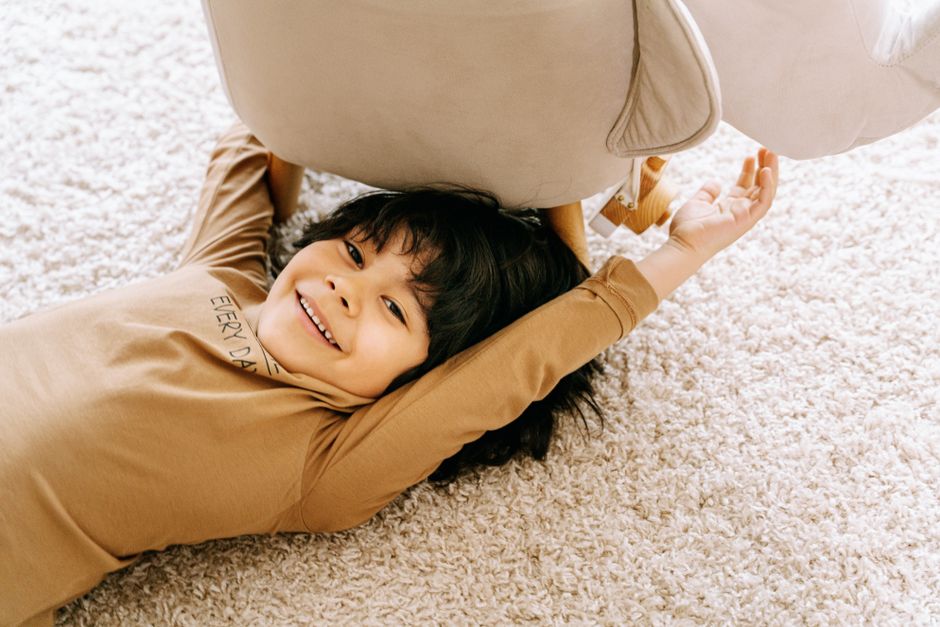
Children are constantly growing and changing, and their furniture should reflect that. From toddlers to teenagers, each age group has specific requirements. For instance, a toddler’s room may need multifunctional furniture that can adapt as they grow, while a teenager’s room may require more sophisticated designs that cater to their evolving tastes.
Moreover, safety is paramount when it comes to children’s furniture. Ensuring that all products are free from harmful chemicals and have rounded edges can make a significant difference in preventing accidents. Stores that prioritize these aspects will not only attract parents but also build a reputation for being reliable.
In a kids furniture store, the layout and design should also cater to children. Bright colors, playful displays, and interactive elements can create an engaging shopping experience. By making the store a fun place to visit, children will feel more involved in the process of selecting their furniture.
Trends in Kids Furniture
The kids furniture market is continually evolving, with new trends emerging each year. One notable trend is the move towards sustainable materials. Parents are becoming increasingly aware of the environmental impact of their purchases, leading to a rise in demand for eco-friendly furniture. Stores that offer items made from recycled materials or sustainably sourced wood are likely to attract eco-conscious customers.
Another trend is the customization of furniture. Many parents are looking for pieces that can be tailored to their child’s preferences, whether it’s through color, design, or functionality. Offering customizable options can set a kids furniture store apart from competitors and enhance customer satisfaction.
Moreover, the concept of ‘playful design’ is gaining traction. Furniture that doubles as a plaything, such as beds with slides or desks that incorporate fun shapes, can transform a child’s room into an imaginative space. Stores that embrace playful design will likely resonate with both children and parents alike.
Choosing the Right Furniture
When it comes to selecting furniture for children, several factors should be considered. First and foremost, practicality is key. Parents should look for pieces that are easy to clean and maintain. For example, opting for washable materials on sofas or chairs can save time and effort in the long run.
Additionally, versatility is essential. Furniture that can serve multiple purposes, such as a bed with storage drawers or a desk that can be adjusted as the child grows, can provide long-term value. This approach not only saves money but also reduces clutter in the room.
Finally, parents should involve their children in the decision-making process. Allowing kids to express their preferences can make them feel more connected to their space and instill a sense of ownership. A kids furniture store that encourages this interaction can create lasting customer relationships.
The Importance of Customer Experience
A successful kids furniture store goes beyond just selling products; it focuses on creating a memorable customer experience. Knowledgeable staff who can provide guidance and recommendations based on a child’s needs can significantly enhance the shopping experience. Training employees to understand the unique requirements of children’s furniture can lead to better service and increased sales.
Moreover, offering additional services such as delivery and assembly can make the purchasing process smoother for parents. Many customers appreciate the convenience of having furniture delivered and set up in their homes, eliminating the hassle of DIY assembly.
Engaging with customers through social media and online platforms can also foster a sense of community. Sharing tips, ideas, and customer stories can create a loyal customer base and encourage repeat visits to the store.
Conclusion
In conclusion, a well-curated kids furniture store can play a pivotal role in shaping children’s living spaces. By understanding the needs of children and parents, keeping up with current trends, and providing exceptional customer experiences, retailers can create an inviting atmosphere that encourages families to invest in quality furniture. Whether you are a store owner or a parent looking for the best options, embracing these principles will lead to a positive and fulfilling experience. For those interested in exploring a diverse selection of children’s furniture, consider visiting a kids furniture store that prioritizes safety, sustainability, and style.