
In the world of music production, having access to a professional recording studio can make all the difference. Whether you’re an aspiring musician, a seasoned producer, or a voice-over artist, the right recording environment is essential for achieving high-quality sound. This article explores the numerous benefits of renting a recording studio, the factors to consider when choosing one, and tips for maximizing your studio time.
The Benefits of Renting a Recording Studio
When it comes to producing music, the quality of the recording environment can significantly impact the final product. Renting a recording studio comes with many benefits, including access to professional-grade equipment, acoustically treated spaces, and the expertise of sound engineers.
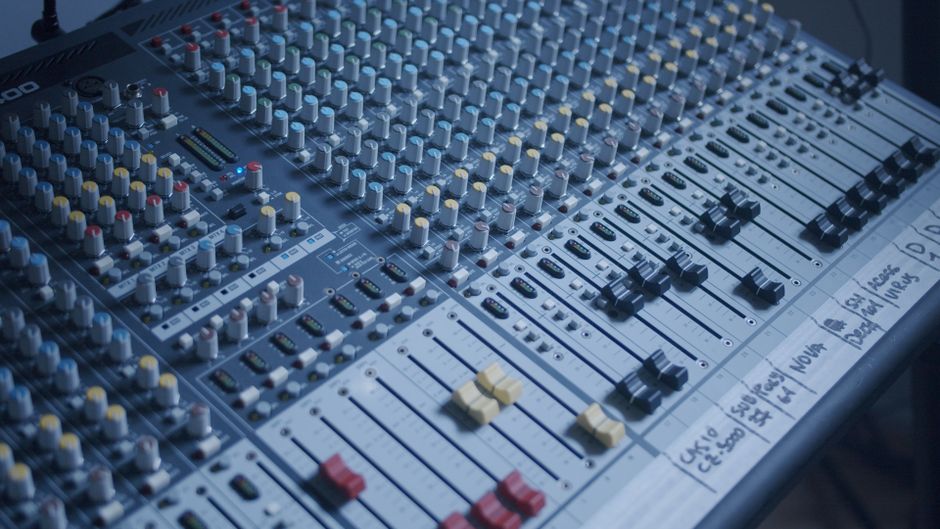
First and foremost, professional studios are equipped with top-of-the-line recording equipment. This includes high-end microphones, mixing consoles, and software that may be unaffordable for individual musicians. For instance, studios like those found in major music hubs have gear that can cost tens of thousands of dollars. Renting a studio allows artists to utilize this equipment without the hefty price tag.
Moreover, a professionally designed recording space ensures optimal sound quality. Acoustic treatment in a studio helps to eliminate unwanted noise and echoes, providing a clean environment for recording. This is crucial for capturing vocals and instruments accurately, which can be challenging in untreated spaces.
Lastly, many recording studios offer the services of experienced sound engineers. These professionals can help guide artists in achieving their desired sound, making the recording process smoother and more efficient.
Choosing the Right Recording Studio
Not all recording studios are created equal, and choosing the right one can be a daunting task. Various factors come into play, including location, budget, and the specific needs of your project.
Location is often a primary consideration. You want a studio that is easily accessible for you and your collaborators. Additionally, the ambiance of the area can impact creativity. A studio located in a vibrant, artistic neighborhood can inspire creativity and collaboration.
Budget is another crucial factor. Prices for studio rentals can vary widely. Some studios may charge hourly, while others have day rates. It is essential to find a studio that fits your budget while still providing the necessary amenities. Be sure to inquire about any hidden fees, such as for equipment rentals or engineer services.
Finally, consider the specific needs of your project. If you’re recording a full band, you might require a larger space with multiple isolation rooms. On the other hand, if you’re a solo artist focusing on vocals, a smaller studio may suffice. It’s crucial to communicate your needs with the studio management to ensure they can accommodate you.
Maximizing Your Time in the Studio
Once you’ve secured a recording studio rental, it’s essential to maximize your time there. Preparation is key to ensuring a productive session.
First, come prepared with a clear plan. This includes having your songs arranged and rehearsed. Knowing the structure of your tracks will save time and allow you to focus on capturing the best performances. Additionally, consider creating a checklist of what you want to accomplish during your session, such as recording specific instruments or vocal takes.
Another tip is to communicate effectively with the studio staff. Let them know your vision and any specific sounds you’re aiming for. Good communication can lead to better collaboration and a more efficient recording process.
Lastly, don’t forget to take breaks. Recording can be an intense process, and fatigue can hinder performance. Step away to recharge, which can lead to fresh perspectives and renewed energy when you return to the microphone.
Post-Production Considerations
After your recording session, the work is not done. Post-production is a crucial phase that can greatly enhance your music. This stage includes mixing, mastering, and preparing your tracks for distribution.
Mixing is where the magic happens. A good mix will balance all the elements of your song, ensuring that vocals stand out while instruments complement each other. Many studios offer mixing services, so be sure to ask about this during your rental.
Mastering is the final step before your music is released. This process ensures that your tracks are polished and sound great on all playback systems. Whether you choose to handle this in-house or hire a professional, it’s essential for producing a high-quality final product.
Finally, consider how you will distribute your music. With the rise of digital platforms, having a strategy for releasing your songs is more important than ever. Utilize social media, streaming services, and even local performances to get your music heard.
Conclusion
Renting a recording studio is an invaluable investment for any musician or producer. The benefits of professional equipment, acoustically treated spaces, and expert guidance can elevate your sound to new heights. By choosing the right studio, preparing adequately, and utilizing post-production services, you can ensure that your music stands out in a crowded industry. Whether you’re a budding artist or an experienced professional, the right recording environment will empower your creativity and help you achieve your artistic vision. If you’re looking for a reliable option, consider exploring a recording studio rental that suits your needs.