
The Glock slide is a crucial component of one of the most popular pistols used globally. Understanding its features, functionality, and maintenance can significantly enhance the performance of your firearm. In this article, we will delve into the intricacies of the Glock slide, exploring its design, materials, and the impact it has on overall shooting performance. Whether you are a seasoned gun enthusiast or a novice, this guide aims to provide valuable insights into the Glock slide.
What is a Glock Slide?
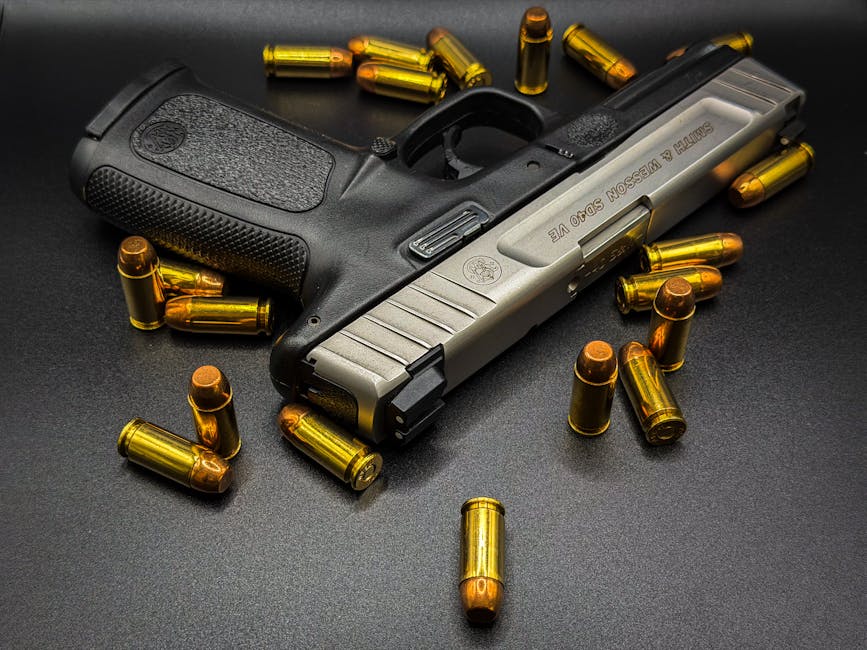
The Glock slide is the upper part of the Glock handgun that houses the barrel, recoil spring assembly, and other crucial components. It plays an essential role in the operation of the firearm. When the trigger is pulled, the slide moves backward, ejecting the spent cartridge and chambering a new round. This cycle is critical for the reliable functioning of the Glock pistol.
Manufactured from high-strength polymer or steel, the slide is designed to withstand the pressures generated during firing. Its construction is specifically tailored to ensure longevity and durability, which are hallmarks of the Glock brand.
In addition to functionality, Glock slides come in various designs and finishes, allowing users to customize their firearms to reflect personal style or improve performance. Understanding the different options available for Glock slides can enhance the shooting experience.
The Impact of Slide Design on Performance
The design of the Glock slide can significantly affect the overall performance of the firearm. Factors such as weight, size, and cutouts can influence the gun’s balance and recoil management. For instance, a lighter slide can facilitate faster cycling, leading to quicker follow-up shots, while a heavier slide can help mitigate recoil.
Moreover, certain slide designs feature serrations or grooves that provide better grip during manipulation. These enhancements can be particularly beneficial in high-pressure situations where rapid reloading or malfunction clearance is necessary.
Additionally, a well-designed Glock slide can improve accuracy by ensuring a consistent lock-up between the barrel and slide. This precision contributes to better shot placement, which is vital for both competition shooters and self-defense scenarios.
Materials Used in Glock Slides
The materials used in the construction of Glock slides are critical to their performance and durability. Most Glock slides are made from a high-quality steel alloy, which is known for its strength and resistance to wear and tear. This material choice is essential for ensuring that the slide can endure the rigors of regular use without compromising safety or reliability.
Some models may feature a corrosion-resistant coating, which helps protect against environmental factors such as moisture and salt. This is particularly important for those who carry their firearms in various conditions, as it ensures the longevity of both the slide and the internal components.
In recent years, aftermarket options have emerged, including slides made from different materials and finishes. For example, some enthusiasts prefer glock 17 slides that offer customization in terms of aesthetics and performance enhancements, such as improved weight distribution or additional optics mounting options.
Maintaining Your Glock Slide
Proper maintenance of the Glock slide is essential for ensuring reliable performance and longevity. Regular cleaning is necessary to remove carbon buildup and debris that can accumulate after firing. A clean slide allows for smoother operation and can prevent malfunctions caused by dirt or residue.
It is advisable to use a quality gun cleaner and lubricant specifically designed for firearms. Applying lubricant to the appropriate areas will help reduce friction and wear on the slide and other moving parts.
In addition, periodic inspections of the slide for signs of wear, cracks, or other damage are crucial. If any issues are detected, it is vital to address them promptly to prevent further damage or safety hazards.
Customization and Aftermarket Options
The Glock slide is one of the most customizable components of the firearm, with numerous aftermarket options available for enthusiasts. Custom slides can include features such as window cuts to reduce weight, unique serration patterns for improved grip, and even integrated optics mounts.
Many manufacturers now offer pre-cut slides that accommodate popular red dot sights, making it easier for users to enhance their aiming capabilities. This trend has gained traction, especially among competitive shooters who require quick target acquisition.
Additionally, users can choose different finishes, such as Cerakote or anodizing, to match their personal style or improve corrosion resistance. With a variety of options available, customizing a Glock slide can not only enhance performance but also create a unique firearm that reflects the owner’s personality.
Conclusion
The Glock slide is a pivotal element in the operation and performance of Glock handguns. Understanding its design, materials, and maintenance requirements can significantly impact your shooting experience. Whether you are looking to enhance your firearm with aftermarket options or simply want to ensure your Glock slide remains in top condition, investing time and resources into this component is worthwhile. By doing so, you can ensure that your Glock remains reliable and performs optimally for years to come.