
The electronics sales industry has been evolving rapidly, driven by advancements in technology and changing consumer preferences. As we move further into the digital age, understanding the dynamics of electronics sales becomes crucial for businesses and consumers alike. This article delves into the current trends, challenges, and opportunities within the electronics sales sector, providing valuable insights for anyone interested in this ever-changing landscape.
Current Trends in Electronics Sales
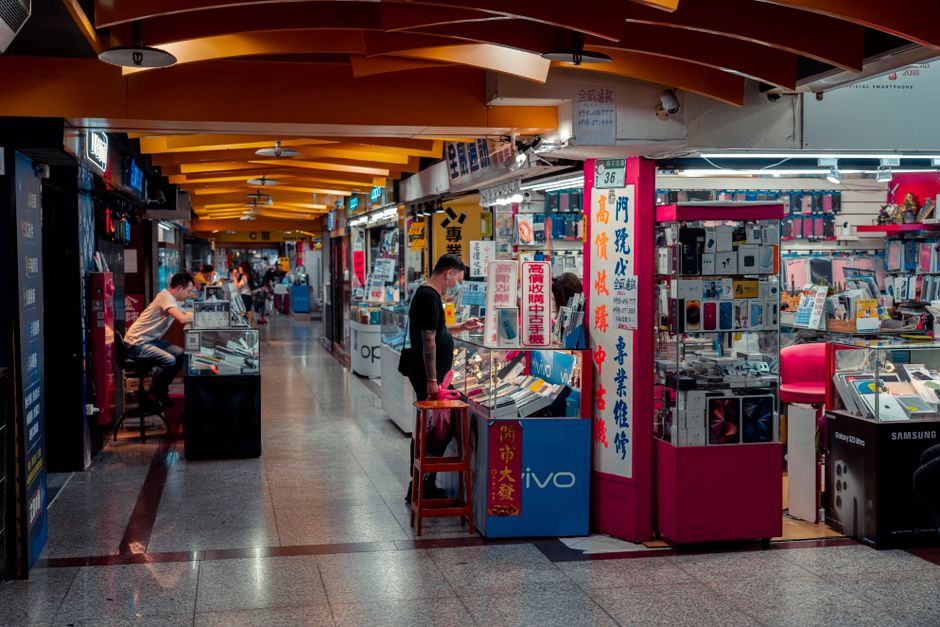
One of the most significant trends in electronics sales is the shift towards e-commerce. In recent years, online shopping has surged, with consumers preferring the convenience of purchasing electronics from the comfort of their homes. According to a report by Statista, global e-commerce sales of electronics are projected to reach over $1 trillion by 2024. This growth is fueled by advancements in logistics and payment systems, making it easier for consumers to buy electronics online.
Moreover, the rise of mobile shopping is also noteworthy. With the increasing use of smartphones, consumers are now able to browse and purchase electronics on-the-go. Retailers are optimizing their websites and apps for mobile devices, ensuring a seamless shopping experience. As a result, mobile commerce is expected to account for a significant portion of online electronics sales in the coming years.
Impact of Consumer Behavior on Electronics Sales
Understanding consumer behavior is essential for electronics retailers. Today’s consumers are more informed than ever, thanks to the abundance of online reviews and product comparisons available. According to a study by Nielsen, 70% of consumers rely on online reviews before making a purchase decision. This trend highlights the importance of reputation management for electronics brands.
Additionally, social media platforms play a pivotal role in influencing consumer decisions. Platforms like Instagram and TikTok are increasingly being used by brands to showcase their products, leading to impulsive buying behavior among consumers. Retailers are leveraging influencer marketing to reach a wider audience and create buzz around new electronics, further driving sales.
The Role of Technology in Shaping Electronics Sales
Technology is at the heart of the electronics sales industry. Innovations such as artificial intelligence (AI) and virtual reality (VR) are transforming how consumers interact with products. For instance, AI-powered recommendation systems analyze consumer preferences and shopping behavior to suggest products tailored to individual needs, enhancing the shopping experience.
Moreover, VR technology allows customers to visualize products in a realistic setting before making a purchase. Retailers that adopt these technologies can create immersive shopping experiences, ultimately boosting customer satisfaction and sales. For example, companies like IKEA have implemented AR apps that let customers see how furniture would look in their homes, a concept that could be expanded to electronics.
Challenges Facing Electronics Sales
While the electronics sales industry is experiencing significant growth, it also faces several challenges. One of the primary concerns is the issue of product returns. Electronics often have higher return rates compared to other product categories due to factors such as buyer’s remorse or product compatibility issues. According to the National Retail Federation, the average return rate for electronics is around 15%, which can impact profitability.
Another challenge is the saturation of the market. With numerous brands competing for consumer attention, standing out becomes increasingly difficult. Retailers must focus on unique selling propositions and effective marketing strategies to differentiate themselves. Additionally, the rapid pace of technological advancements means that products can quickly become outdated, necessitating a constant refresh of inventory.
Future Outlook of Electronics Sales
Looking ahead, the future of electronics sales appears promising, albeit with some uncertainties. As technology continues to evolve, retailers will need to adapt their strategies to stay competitive. The integration of sustainable practices into the supply chain is becoming increasingly important, as consumers are becoming more environmentally conscious. Brands that prioritize sustainability may have a distinct advantage in the marketplace.
Furthermore, the emergence of new technologies such as 5G and the Internet of Things (IoT) is expected to drive innovation within the electronics sector. Consumers will increasingly demand connected devices that enhance their lifestyles, creating new opportunities for retailers. For example, smart home devices, including a home robot, are gaining traction as more households seek automation solutions.
Conclusion
In conclusion, the electronics sales industry is undergoing significant transformation, driven by e-commerce, changing consumer behaviors, and technological advancements. While challenges persist, the opportunities for growth and innovation are abundant. Retailers who stay ahead of the curve and adapt to the evolving landscape will be well-positioned to succeed in the competitive electronics market. As we embrace the future, understanding these trends will be crucial for navigating the complexities of electronics sales.