Replacing a roof is one of the most significant investments a homeowner can make. It’s essential to understand the factors that influence the total cost of a roof replacement project. From materials to labor, various elements contribute to the final price tag. In this article, we will explore the key components that affect roof replacement costs, how to budget for them, and tips for finding a reliable contractor.
Factors Influencing Roof Replacement Costs
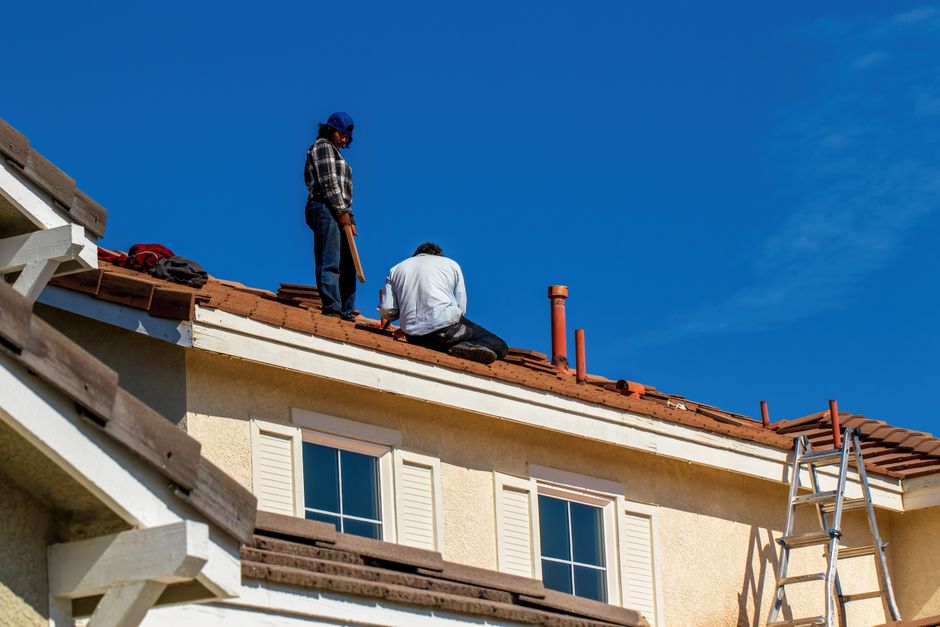
Several factors determine the cost of replacing a roof. The first major factor is the type of roofing material you choose. Asphalt shingles are generally the most affordable option, while metal and tile roofs can be significantly more expensive. Additionally, the complexity of your roof’s design plays a critical role. A steep roof or one with multiple facets may require more labor and materials, thus increasing overall costs.
Another essential consideration is the size of your roof. The larger the area that needs to be covered, the more materials will be required, and consequently, the higher the cost. On average, roof replacement costs can range from $5,000 to $15,000 depending on these factors.
Moreover, labor costs can vary significantly based on your location. Urban areas typically demand higher wages compared to rural locations. It’s advisable to obtain multiple quotes from different contractors to ensure you’re getting a fair deal for the roof replacement cost.
Types of Roofing Materials and Their Costs
When considering roof replacement, understanding the costs associated with different materials is crucial. Asphalt shingles are the most commonly used roofing material, averaging between $100 to $150 per square. In contrast, metal roofs, which are known for their durability and energy efficiency, can range from $300 to $700 per square.
Other materials, such as tile or slate, come with a hefty price tag as well, often exceeding $1,000 per square. While these materials can enhance the aesthetic appeal of your home and offer longevity, it’s important to weigh their benefits against the initial investment. Additionally, consider the long-term savings on maintenance and energy efficiency.
Ultimately, the choice of roofing material should align with your budget, the architectural style of your home, and your long-term plans for property ownership. For instance, if you plan to sell your home in the near future, investing in high-quality materials may yield a better return on investment.
Budgeting for Roof Replacement
Budgeting for a roof replacement involves more than just the cost of materials and labor. Homeowners should also consider additional expenses such as permits, disposal of old materials, and potential structural repairs. It’s wise to set aside an extra 10-20% of your budget for unexpected costs that may arise during the project.
Additionally, timing can affect costs. Scheduling your roof replacement during off-peak seasons may lead to lower labor costs and more availability of materials. Furthermore, some roofing contractors offer seasonal discounts or promotions that could help reduce your overall expenses.
Before committing to a contractor, ensure that you understand the breakdown of the quote provided. This should include all costs associated with the project, allowing you to make an informed decision without hidden surprises. For a comprehensive understanding of roof replacement cost, consider consulting resources that provide detailed estimates based on your specific needs.
Finding a Reliable Contractor
Choosing the right contractor is crucial to ensure that your roof replacement is completed effectively and efficiently. Start by researching local contractors who specialize in roofing. Look for reviews and testimonials from previous clients to gauge their reputation and reliability.
Ask for quotes from multiple contractors, ensuring that each quote includes a detailed scope of work and timeline. This will not only help you compare prices but also give you an insight into the level of service you can expect. Don’t hesitate to ask questions about their experience, licensure, and insurance coverage.
Finally, trust your instincts. A good contractor will be transparent about the roof replacement cost and will work with you to develop a plan that suits your needs and budget. Remember, investing time in finding the right contractor can save you money and stress in the long run.
Conclusion
In conclusion, understanding the costs associated with roof replacement is essential for any homeowner. By considering factors such as materials, labor, and additional expenses, you can better prepare for this significant investment. Take the time to research and budget accordingly, and don’t hesitate to seek professional advice when needed. Remember that a well-executed roof replacement not only enhances your home’s curb appeal but also safeguards your property for years to come. For those looking to get an accurate estimate, consulting resources on roof replacement cost can provide valuable insights.