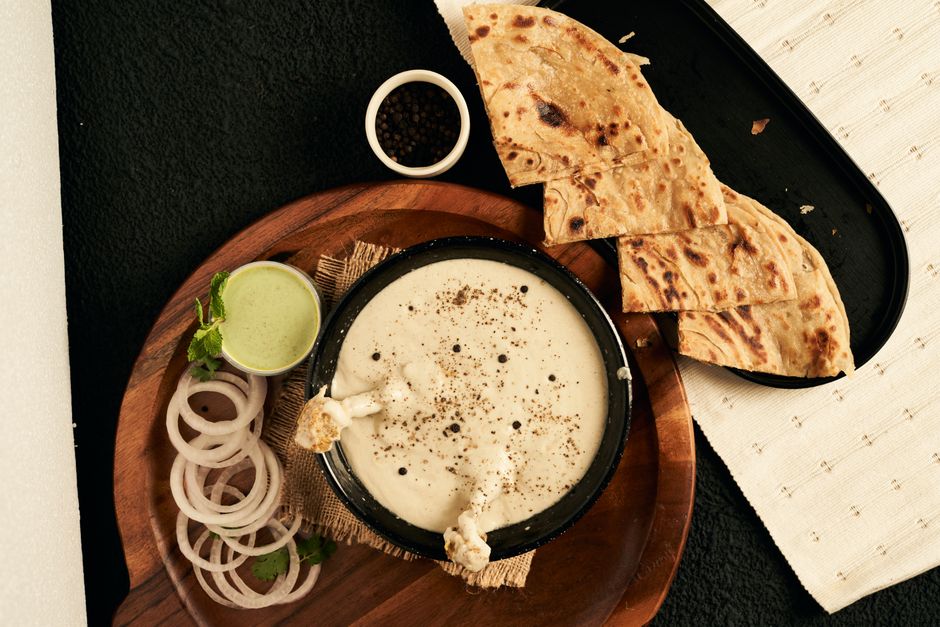
The ambiance of a restaurant can significantly influence diners’ experiences, making restaurant interior design a critical aspect of the hospitality industry. With competition soaring, creating a unique atmosphere that resonates with guests is more important than ever. This article delves into the essential elements of effective restaurant interior design, exploring the trends, materials, and strategies that can transform any dining space into a memorable destination.
Understanding the Importance of Interior Design
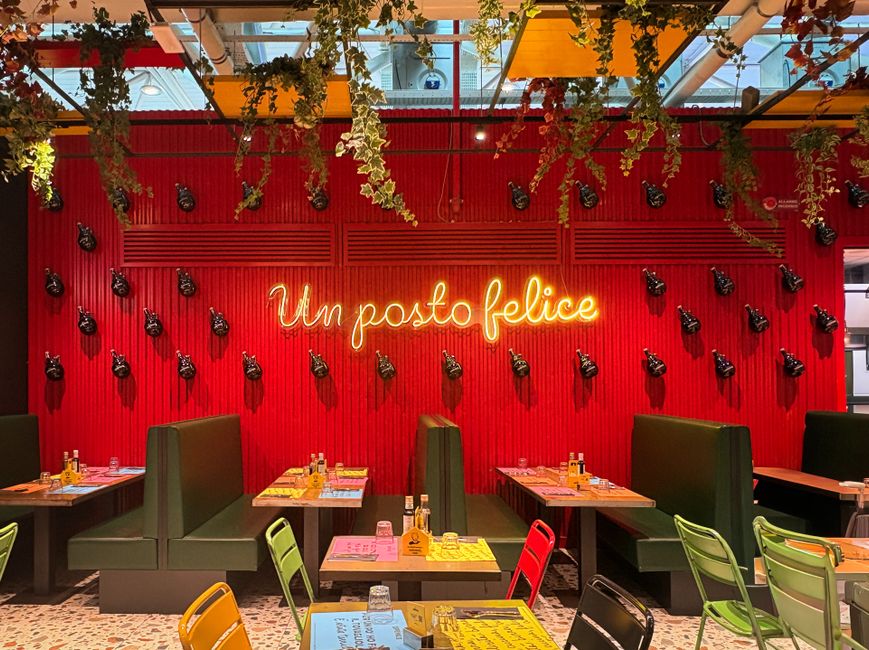
Interior design is not merely about aesthetics; it’s about crafting a narrative that complements the restaurant’s concept. A well-designed restaurant can enhance customer satisfaction, encourage longer visits, and ultimately boost revenue. According to a survey by the National Restaurant Association, 80% of diners say that the ambiance affects their decision to return to a restaurant. Thus, the significance of restaurant interior design cannot be overstated.
Moreover, the design sets the tone for the dining experience. Whether it’s a cozy bistro or a sleek, modern eatery, the right design can evoke emotions that influence how customers perceive the food and service. Engaging all senses—sight, sound, smell, and touch—creates an immersive environment that keeps patrons coming back.
Key Elements of Restaurant Interior Design
Several critical components come together to create a successful restaurant interior. First and foremost is layout. An efficient floor plan ensures that customers can navigate the space comfortably while allowing staff to serve effectively. The arrangement of tables, the flow of movement, and the location of service stations all play a role in operational efficiency.
Color scheme is another vital element. Colors can evoke various emotions and set the mood for the dining experience. Warm tones like reds and oranges can stimulate appetite and conversation, while cooler tones like blues and greens can create a calming atmosphere. The right color palette can significantly impact how diners feel while enjoying their meals.
Incorporating Branding into Design
A successful restaurant interior design should reflect the brand’s identity. Every element, from furniture to lighting, should align with the restaurant’s theme and values. For example, a farm-to-table restaurant may opt for rustic wooden tables and earthy tones, while a high-end sushi bar might choose sleek lines and minimalist decor.
Branding goes beyond aesthetics; it extends to the experience. Consider how the design can tell the story of the brand. For instance, incorporating local art or historical elements can create a sense of place and community, enhancing the restaurant’s connection with its patrons.
Embracing Sustainability in Design
As environmental concerns become increasingly prominent, many restaurants are embracing sustainable interior design. This approach not only reduces environmental impact but also appeals to eco-conscious consumers. Utilizing reclaimed materials, energy-efficient lighting, and sustainable furniture options can create a unique and responsible dining environment.
Moreover, incorporating greenery into the design—such as vertical gardens or potted plants—can enhance air quality and provide a refreshing aesthetic. Studies have shown that nature-inspired designs can reduce stress and improve overall customer satisfaction, making it a win-win for both the environment and the dining experience.
Current Trends in Restaurant Interior Design
Staying ahead of design trends is crucial for restaurant owners. Currently, there’s a strong emphasis on open layouts that promote social interaction. Communal tables have become popular for fostering a sense of community among diners, while open kitchens allow guests to see the food preparation process, adding an element of transparency.
Additionally, technology is playing an increasingly significant role in restaurant interior design. Many establishments are integrating smart technology, such as automated lighting and sound systems, to enhance the guest experience. Touchless payment systems and digital menus have also become commonplace, catering to the tech-savvy consumer.
Another notable trend is the incorporation of unique themes that stand out. Restaurants are exploring unconventional concepts—like immersive dining experiences or themed decor—that transport diners to different worlds. This creative approach not only attracts customers but also generates buzz and social media engagement.
Conclusion
Restaurant interior design is a multifaceted discipline that combines creativity, functionality, and branding. As the dining landscape continues to evolve, staying attuned to trends and understanding the needs of customers will be essential for success. Whether you’re starting a new restaurant or looking to revamp an existing space, investing in thoughtful interior design can lead to increased customer satisfaction and loyalty. For more insights into effective restaurant interior design, consider consulting with professionals who can help bring your vision to life.