
In the competitive world of dining, a restaurant’s interior design can make or break the customer experience. From the moment a guest steps through the door, the ambiance, layout, and decor play crucial roles in setting the tone for their visit. This article delves into the fundamentals of restaurant interior design, exploring key elements that contribute to creating a memorable dining atmosphere.
Understanding the Importance of Interior Design
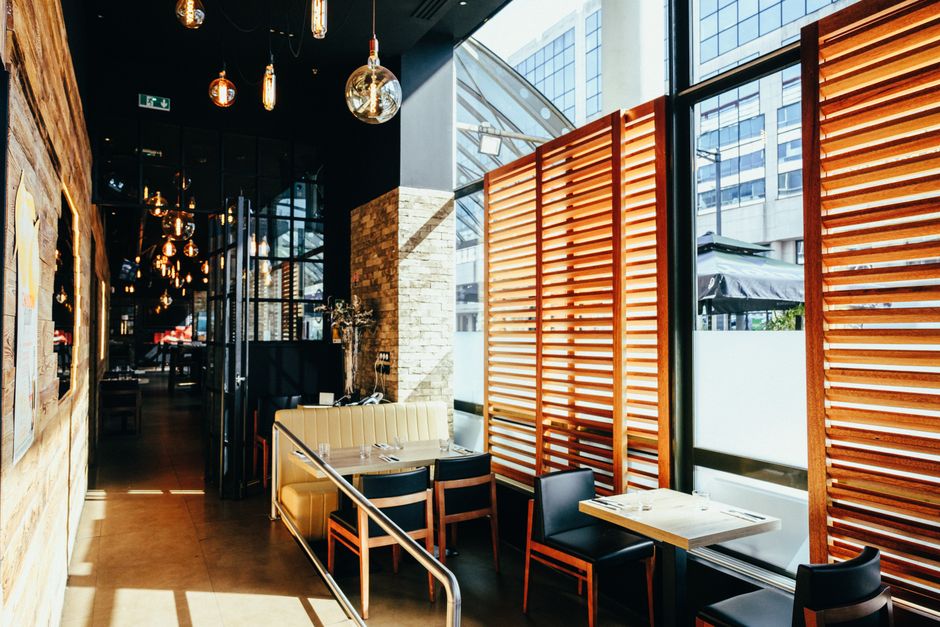
Interior design in restaurants is not just about aesthetics; it significantly influences customer behavior and perception. Research shows that a well-designed space can increase customer satisfaction and even influence the time they spend dining. A study published in the Journal of Consumer Research found that environmental factors like lighting and color can directly impact a diner’s mood and, consequently, their dining choices.
Moreover, the restaurant’s interior design reflects its brand identity. For instance, a fine dining establishment may opt for elegant furnishings and subdued lighting, while a casual eatery might favor bright colors and playful decor. This alignment helps to attract the target audience and enhance their overall experience.
Key Elements of Restaurant Interior Design
Several crucial elements play a role in effective restaurant interior design. First and foremost is the layout. A well-planned layout maximizes space and improves flow, ensuring that guests can move comfortably throughout the establishment. Factors such as table arrangement, bar placement, and entrance design should be carefully considered.
Another essential aspect is lighting. Different lighting types can create varying moods. For example, warm, dim lighting can create an intimate atmosphere ideal for romantic dinners, while bright lighting is suitable for family-friendly restaurants. Additionally, natural light can enhance the dining experience, making the space feel more inviting.
Choosing the Right Color Palette
The color scheme of a restaurant plays a significant role in shaping the dining experience. Colors evoke emotions and can affect appetite. For instance, warm colors like red and yellow are known to stimulate appetite and encourage social interaction, making them popular choices in dining environments.
On the other hand, cooler colors such as blue and green can create a sense of calm. When selecting a color palette, it is vital to consider the overall theme and concept of the restaurant. A cohesive color scheme can enhance the aesthetic appeal and reinforce the restaurant’s brand.
Incorporating Unique Decor and Furnishings
Decor and furnishings are where creativity can truly shine in restaurant design. Unique artwork, custom furniture, and thematic decor can make a restaurant memorable. For example, a themed restaurant may incorporate elements that reflect its concept, such as vintage decor in a retro diner.
Furthermore, the choice of materials and furnishings can impact not only the look but also the comfort of diners. Comfortable seating is essential for longer dining experiences, while durable materials are necessary for high-traffic areas. Striking a balance between aesthetics and functionality is key to successful restaurant interior design.
Implementing Sustainable Design Practices
As sustainability becomes increasingly important, many restaurants are adopting eco-friendly design practices. This includes using sustainable materials, energy-efficient lighting, and incorporating plants and greenery into the interior. Not only does this appeal to environmentally conscious consumers, but it can also reduce operating costs in the long run.
For instance, some restaurants have started using reclaimed wood for furniture, which adds character while minimizing environmental impact. Additionally, incorporating plants can improve indoor air quality and create a more inviting atmosphere. Sustainable design is not just a trend; it’s a commitment to responsible business practices.
Conclusion
In conclusion, restaurant interior design is a multifaceted discipline that merges art and functionality. From layout and lighting to color schemes and sustainable practices, each element plays a vital role in creating an inviting atmosphere that enhances the dining experience. As competition in the restaurant industry continues to grow, investing in thoughtful interior design can set an establishment apart and drive customer loyalty. For those looking to explore innovative ideas in restaurant interior design, the possibilities are endless, and the rewards can be substantial.