
Septic tanks are an essential part of many residential and commercial wastewater management systems. Understanding how to properly maintain and clean these tanks is crucial for their longevity and effective operation. In this article, we will explore the importance of septic tank cleaning, the signs that indicate it’s time for a clean, and best practices for maintaining your septic system.
Why Septic Tank Cleaning is Important
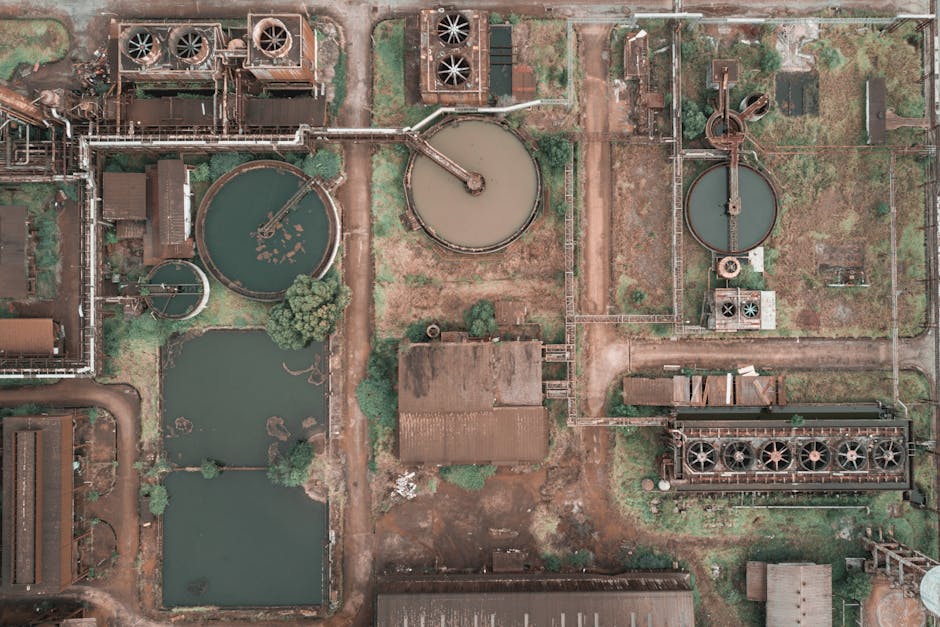
Septic tanks are designed to treat and dispose of household waste. Over time, the solid waste can accumulate, leading to blockages and system failures. Regular cleaning is essential to prevent these issues, which can be costly and inconvenient. According to the Environmental Protection Agency (EPA), neglecting septic tank maintenance can lead to system backups, contamination of groundwater, and even health hazards.
Moreover, a well-maintained septic system can enhance property value. Potential buyers often look for homes with properly functioning septic systems. A clean and well-maintained septic tank not only ensures your household operates smoothly but also gives prospective buyers peace of mind.
Signs Your Septic Tank Needs Cleaning
It’s crucial to be aware of the signs that indicate your septic tank requires cleaning. Some common indicators include:
- Slow draining sinks and toilets
- Unpleasant odors around the septic tank or drain field
- Pooling water in the yard near the septic system
- Gurgling sounds in the plumbing system
If you notice any of these signs, it’s advisable to schedule a cleaning. Waiting too long can lead to more severe problems, including complete system failure.
How Often Should You Clean Your Septic Tank?
The frequency of septic tank cleaning depends on several factors, including the size of your tank, the number of people in your household, and your water usage. Typically, it is recommended to clean your septic tank every 3 to 5 years. However, households with larger families or higher water usage may need to clean their tanks more frequently.
To determine the best schedule for your specific situation, consider keeping a maintenance log. This log can help you track when the tank was last cleaned and any changes in performance. Additionally, consulting with a professional for an assessment can provide valuable insights into your cleaning schedule.
Best Practices for Septic Tank Maintenance
Aside from regular cleaning, there are several best practices you should follow to maintain your septic system:
- Avoid flushing non-biodegradable items down the toilet, such as wipes, feminine hygiene products, and paper towels.
- Limit the use of harsh chemicals that can disrupt the bacterial balance in your septic tank.
- Regularly inspect the tank and drain field for any signs of leaks or damage.
- Consider scheduling regular inspections and maintenance checks with a professional.
Incorporating these practices into your routine can significantly extend the life of your septic system. Additionally, engaging in septic maintenance can help identify potential issues before they escalate.
Conclusion
In conclusion, septic tank cleaning is a vital aspect of home maintenance that should not be overlooked. By understanding the importance of regular cleaning and maintenance, recognizing the signs that indicate a need for service, and following best practices, homeowners can ensure their septic systems operate efficiently and effectively. Remember, a well-maintained septic system not only protects your property but also contributes to environmental health.