
In today’s fast-paced business environment, the issue of fraudulent invoices has become a significant concern for companies of all sizes. As technology advances, so do the methods used by fraudsters to create convincing fake invoices, which can lead to substantial financial losses. This article delves into the various strategies and tools that businesses can implement to detect and prevent fraudulent invoices, ensuring that their financial integrity remains intact.
Understanding Fraudulent Invoices
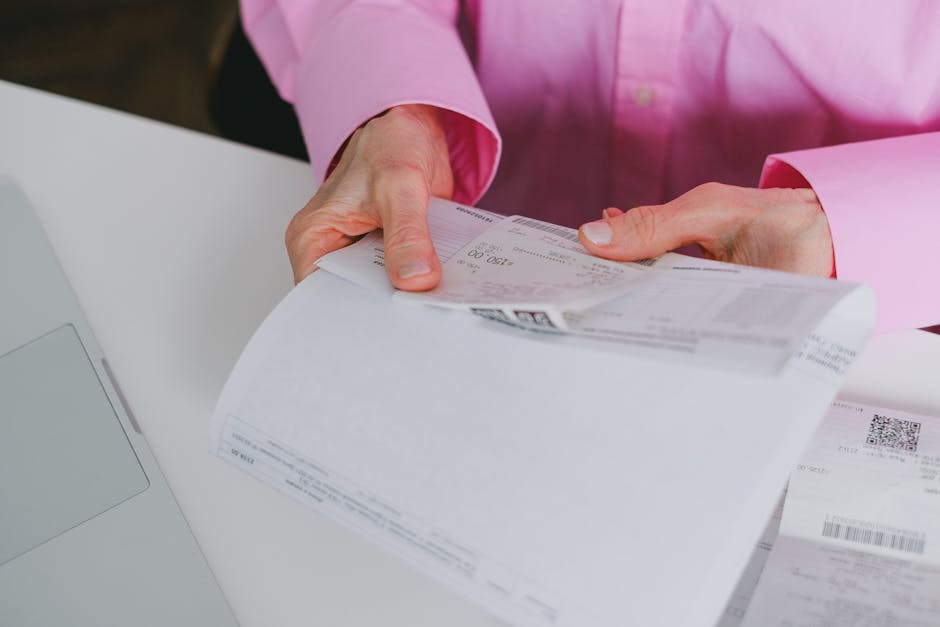
Fraudulent invoices are deceptive documents designed to trick businesses into making unauthorized payments. These invoices can appear official and often mimic the format and branding of legitimate vendors. According to recent studies, companies lose billions of dollars each year due to invoice fraud. Understanding what constitutes a fraudulent invoice is the first step in combating this issue.
Fraudsters may use tactics such as altering legitimate invoices, creating fake vendors, or even impersonating real suppliers to trick businesses. They often exploit loopholes in the payment process, making it crucial for organizations to be vigilant and proactive in their invoice verification procedures.
Implementing Robust Verification Processes
One of the most effective ways to detect fraudulent invoices is to establish a thorough verification process. This includes cross-referencing invoices against purchase orders, contracts, and delivery receipts. By ensuring that all elements of a transaction align, companies can significantly reduce the risk of falling victim to fraudulent invoices.
Additionally, companies should implement a system of checks and balances, where multiple employees are involved in the invoice approval process. This not only helps in catching discrepancies but also acts as a deterrent for internal fraud. The segregation of duties is a vital control that protects the organization’s financial assets.
Leveraging Technology for Detection
Technology plays a crucial role in detecting fraudulent invoices. Various software solutions are available that utilize machine learning algorithms to analyze invoices for anomalies. These systems can flag invoices that deviate from typical spending patterns, allowing for further investigation.
For example, utilizing an AI-driven invoice management system can help automate the detection process. These technologies can analyze large volumes of invoices quickly, identifying potential fraud much faster than manual methods. Companies that invest in such technologies often see a significant reduction in fraud-related losses.
Detect fraud invoice detection tools can also provide real-time alerts for suspicious activities, enabling businesses to take immediate action.
Training Employees to Recognize Fraud
Training employees to recognize the signs of fraudulent invoices is another essential step in fraud prevention. Employees should be educated on common fraud schemes, red flags to look out for, and the importance of reporting suspicious activity. Regular training sessions can help reinforce this knowledge and keep fraud awareness top of mind.
Moreover, creating a culture of openness and transparency within the organization encourages employees to speak up if they notice something amiss. This proactive approach can significantly enhance a company’s ability to detect and prevent invoice fraud.
Establishing Strong Vendor Relationships
Building strong relationships with vendors can also help in mitigating the risk of invoice fraud. By regularly communicating with suppliers and verifying their contact information, companies can reduce the chances of falling victim to fraudulent invoices. Regular audits of vendor information can ensure that all records are up-to-date and accurate.
Furthermore, when entering into new vendor agreements, it is wise to conduct background checks and verify the legitimacy of their business. This diligence can prevent potential fraud before it occurs, ultimately saving the company time and money.
Conclusion
Detecting fraudulent invoices requires a multi-faceted approach that combines robust verification processes, technology, employee training, and strong vendor relationships. By adopting these strategies, businesses can significantly reduce their vulnerability to invoice fraud and protect their financial assets. As fraudsters continuously evolve their tactics, it is essential for companies to remain vigilant and proactive in their fraud detection efforts.