
In today’s competitive business landscape, the importance of a well-designed commercial space cannot be overstated. From enhancing employee productivity to creating a memorable client experience, the role of a commercial interior designer is pivotal. This article delves into the intricacies of commercial interior design, exploring its significance, key elements, and emerging trends that are shaping the industry.
Understanding Commercial Interior Design
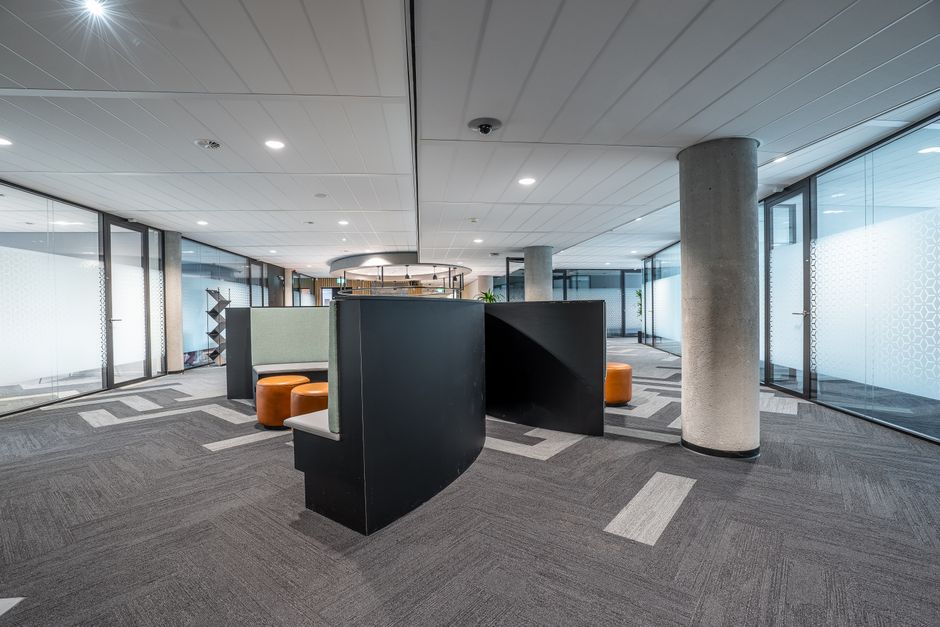
Commercial interior design encompasses the planning and design of interior spaces in commercial buildings. This includes offices, retail stores, restaurants, and other business environments. The primary goal of a commercial interior designer is to create spaces that are not only aesthetically pleasing but also functional and aligned with the brand identity of the business.
Effective commercial interior design goes beyond mere decoration; it involves a comprehensive understanding of space, function, and the psychology of design. A successful designer must consider how the layout affects workflow, how lighting influences mood, and how color schemes can enhance brand perception.
According to a study by the American Society of Interior Designers, well-designed workspaces can increase employee productivity by up to 20%. This statistic highlights the critical role that a commercial interior designer plays in shaping environments that foster creativity and efficiency.
Key Elements of Successful Commercial Interior Design
Several key elements contribute to the success of a commercial interior design project. Firstly, understanding the client’s needs and objectives is crucial. A commercial interior designer must engage in thorough discussions with clients to grasp their vision and requirements.
Secondly, space planning is vital. This involves organizing furniture, fixtures, and equipment in a way that optimizes the use of space while ensuring accessibility and comfort. Effective space planning can significantly enhance the flow of movement within a commercial environment.
Additionally, lighting plays a pivotal role in commercial interior design. The right lighting can elevate a space, affecting both ambiance and functionality. For instance, natural light can create a welcoming atmosphere, while strategic artificial lighting can highlight key features of the design.
Incorporating technology is another essential element. Modern commercial spaces often integrate advanced technology to improve user experience and operational efficiency. From smart lighting systems to interactive displays, technology can transform the way a space is utilized.
Emerging Trends in Commercial Interior Design
The commercial interior design landscape is constantly evolving, driven by changing consumer preferences and advancements in technology. One of the most significant trends is the emphasis on sustainability. Businesses are increasingly prioritizing eco-friendly designs that minimize environmental impact. This includes using sustainable materials, energy-efficient lighting, and designs that promote recycling.
Another trend is the rise of flexible workspaces. With the shift towards remote work and hybrid models, many companies are opting for designs that accommodate various working styles. This includes collaborative spaces, quiet zones, and areas for social interaction, all designed to cater to diverse employee needs.
Biophilic design, which incorporates natural elements into the built environment, is also gaining traction. Research shows that exposure to nature can reduce stress and increase well-being. As a result, many commercial spaces are integrating plants, natural materials, and views of the outdoors into their designs.
The Role of a Commercial Interior Designer
A commercial interior designer serves as a bridge between the client’s vision and the execution of the design. They are responsible for creating design concepts, selecting materials and finishes, and coordinating with contractors and vendors. This multifaceted role requires a blend of creativity, technical knowledge, and project management skills.
Moreover, a successful commercial interior designer must stay updated on industry trends and regulations. This includes understanding building codes, accessibility standards, and sustainability practices. Continuous education and networking within the industry are essential for staying ahead in this competitive field.
For businesses looking to enhance their commercial spaces, partnering with a professional commercial interior designer can make a significant difference. Their expertise can help in creating environments that not only look great but also serve the functional needs of the business.
Conclusion: The Future of Commercial Interior Design
As the business landscape continues to evolve, so too will the field of commercial interior design. The integration of technology, a focus on sustainability, and the need for flexible spaces will shape the future of design. For businesses, investing in professional interior design services is not just about aesthetics; it is about creating environments that foster growth, creativity, and employee satisfaction.
In conclusion, commercial interior designers play a vital role in shaping the spaces where we work, shop, and dine. Their expertise in combining functionality with aesthetics is essential for businesses looking to thrive in today’s competitive environment.