
In today’s digital age, music videos have become an essential tool for artists to express themselves and connect with their audiences. From conceptualization to final editing, the process of music video production involves a blend of creativity, technical skills, and strategic planning. This article delves into the various aspects of music video production, exploring the key stages, essential elements, and tips for creating compelling videos that resonate with viewers.
Understanding the Pre-Production Phase
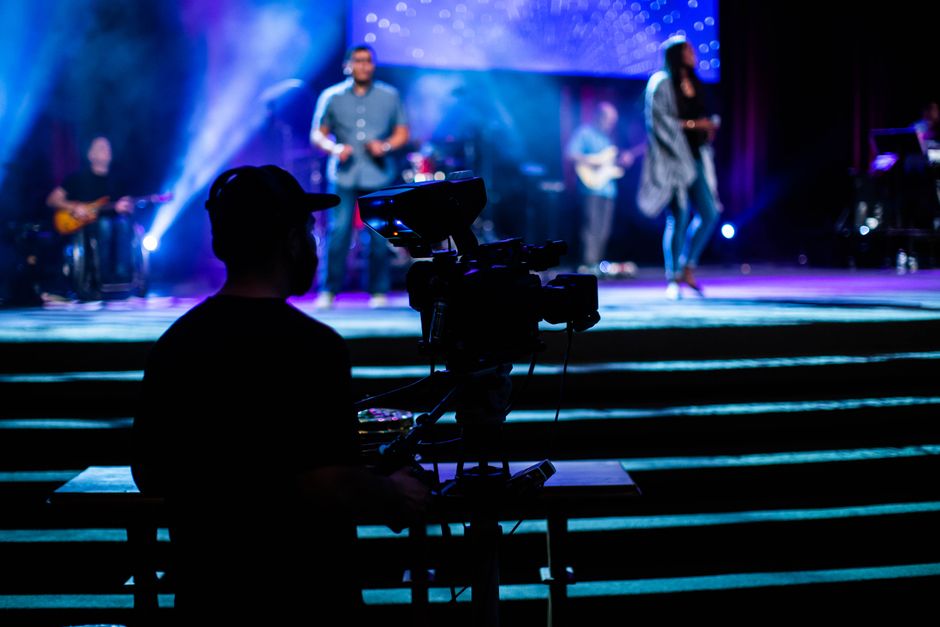
The journey of a music video begins long before the cameras start rolling. Pre-production is a crucial phase that sets the foundation for the entire project. During this stage, the creative team works on developing the concept, script, and storyboard. Each element must align with the artist’s vision and the song’s message.
Collaboration is vital at this stage. Directors, producers, and the artist should engage in brainstorming sessions to ensure that the concept is cohesive and feasible within the budget. Additionally, scouting locations, casting actors, and assembling a crew are also pivotal tasks that take place during pre-production. For instance, if an artist wants to shoot in an urban setting, it may require permits and permissions, emphasizing the importance of thorough planning.
Moreover, creating a detailed shot list can help streamline the filming process. This list serves as a roadmap, detailing every scene to be filmed, ensuring that no important shots are overlooked. Effective pre-production can save time and resources, preventing delays during the actual shoot.
The Filming Process: Lights, Camera, Action!
Once pre-production is complete, the production team moves on to the filming phase. This stage is where the magic happens, as the initial ideas come to life on screen. The director plays a pivotal role in guiding the crew and actors, ensuring that each shot aligns with the vision established earlier.
Lighting is another critical element that can dramatically affect the mood and tone of the video. Proper lighting techniques can enhance the visual appeal of the music video, capturing the audience’s attention. For instance, using soft lighting can create a romantic vibe, while harsh lighting can invoke a sense of tension or drama.
Furthermore, sound synchronization is crucial during filming. The music must be played during the shoot to ensure that the performers can sync their movements and lip-sync accurately. This coordination is vital for maintaining continuity in the final edit, making the editing process much smoother.
Post-Production: Crafting the Final Product
After filming concludes, the project enters the post-production phase, where the footage is edited and refined. This stage involves assembling the shots, adding special effects, color grading, and incorporating graphics or animations. The goal is to create a polished final product that tells a story and evokes emotions in the audience.
Editing is a complex process that requires both technical skills and artistic vision. Editors must carefully select the best takes, arrange them in a coherent sequence, and ensure that the pacing matches the rhythm of the song. This is where the editor’s creativity shines, as they can experiment with different cuts and transitions to see what resonates best.
Moreover, sound design and mixing play a significant role in the post-production phase. Adding sound effects or adjusting the audio levels can significantly enhance the viewer’s experience. For instance, background sounds can add depth to a scene, making it more immersive. The final product should be a seamless blend of visuals and audio, capturing the essence of the song.
Marketing and Distribution Strategies
Creating a stunning music video is only half the battle; the other half involves effective marketing and distribution strategies. In a competitive landscape, getting the video in front of the right audience is crucial for its success. Social media platforms, such as YouTube, Instagram, and TikTok, have become essential tools for promoting music videos.
Artists should leverage these platforms to build anticipation before the release. Teasers, behind-the-scenes snippets, and countdowns can create buzz among fans. Once the video is released, engaging with the audience through comments and shares can foster a sense of community and encourage further viewership.
Additionally, collaborating with influencers or other artists can help broaden the reach of the music video. When influencers share the video with their followers, it can lead to increased views and engagement. Overall, a well-thought-out marketing strategy can amplify the video’s impact and ensure it reaches its intended audience.
Conclusion: The Future of Music Video Production
The landscape of music video production continues to evolve with technological advancements and changing viewer preferences. As platforms like virtual reality and augmented reality gain traction, music videos are likely to become even more immersive and interactive. Artists and producers must stay ahead of these trends to create innovative content that captivates audiences.
Ultimately, the art of music video production is about telling a story and connecting with viewers on an emotional level. By understanding the different stages of production, employing effective marketing strategies, and embracing new technologies, creators can craft memorable videos that leave a lasting impact in the ever-changing world of music.