
In the rapidly evolving landscape of manufacturing, CNC machining services are becoming increasingly essential. With the rise of automation and advanced technology, businesses are turning to CNC machining to enhance their production efficiency and precision. This article delves into what CNC machining is, its benefits, applications, and how it is transforming industries.
Understanding CNC Machining
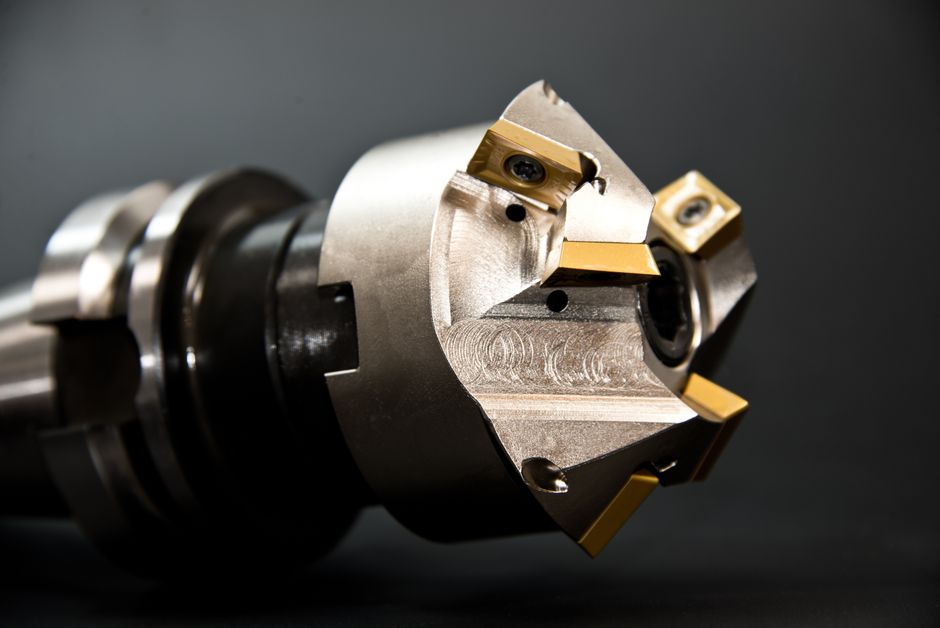
Computer Numerical Control (CNC) machining refers to the automated control of machining tools through a computer. This technology allows for the creation of complex parts with high precision and repeatability. Unlike traditional machining, which requires manual input, CNC machining relies on computer programs to dictate the movements of the machinery.
The process begins with a digital design, often created using CAD (Computer-Aided Design) software. This design is then converted into a CNC program, which instructs the machinery on how to shape the material. Whether it’s milling, turning, or drilling, CNC machines can handle a variety of tasks with remarkable accuracy.
For businesses looking to optimize their production process, utilizing a CNC machining service can significantly reduce lead times and improve product quality.
Benefits of CNC Machining Services
CNC machining offers numerous advantages over traditional manufacturing methods. Firstly, it enhances precision. CNC machines can produce parts with tolerances as tight as a few microns, which is crucial in industries like aerospace and medical devices where accuracy is paramount.
Secondly, CNC machining increases efficiency. Once a design is programmed, the machine can operate autonomously, reducing the need for manual labor and minimizing human error. This leads to faster production rates and the ability to produce large quantities of identical parts in a short time.
Cost savings are another significant benefit. While the initial investment in CNC machinery can be high, the long-term savings from reduced labor costs, material waste, and increased production speed make it a wise choice for many manufacturers.
Applications of CNC Machining
CNC machining is versatile and applicable across various industries. In the automotive sector, manufacturers use CNC machining to create engine components, transmission parts, and custom fittings. The precision offered by CNC technology ensures that these critical parts meet stringent safety and performance standards.
In aerospace, CNC machining plays a vital role in producing lightweight and durable components. For example, parts such as brackets, housings, and fuel nozzles are manufactured using CNC techniques to achieve the required performance while minimizing weight.
The medical field also benefits from CNC machining. Surgical instruments, prosthetics, and dental implants are often produced using CNC technology, ensuring high precision and reliability in critical applications.
The Future of CNC Machining Services
As technology continues to advance, the future of CNC machining appears bright. Innovations such as additive manufacturing integration and AI-driven machining processes are on the horizon. These advancements will further enhance the capabilities of CNC machines, allowing for even more complex designs and faster production times.
Moreover, the rise of Industry 4.0—characterized by smart factories and IoT (Internet of Things)—will revolutionize how CNC machining services operate. Machines will be able to communicate in real-time, allowing for predictive maintenance, reduced downtime, and optimized production schedules.
With these developments, businesses that leverage CNC machining services will be well-positioned to stay competitive in an increasingly globalized market.
Conclusion
CNC machining services are transforming the manufacturing landscape, offering precision, efficiency, and cost savings across a variety of industries. As technology advances, the potential applications for CNC machining will only expand, providing manufacturers with the tools they need to innovate and thrive. Embracing these services not only enhances production capabilities but also positions businesses for future success in a rapidly changing environment.