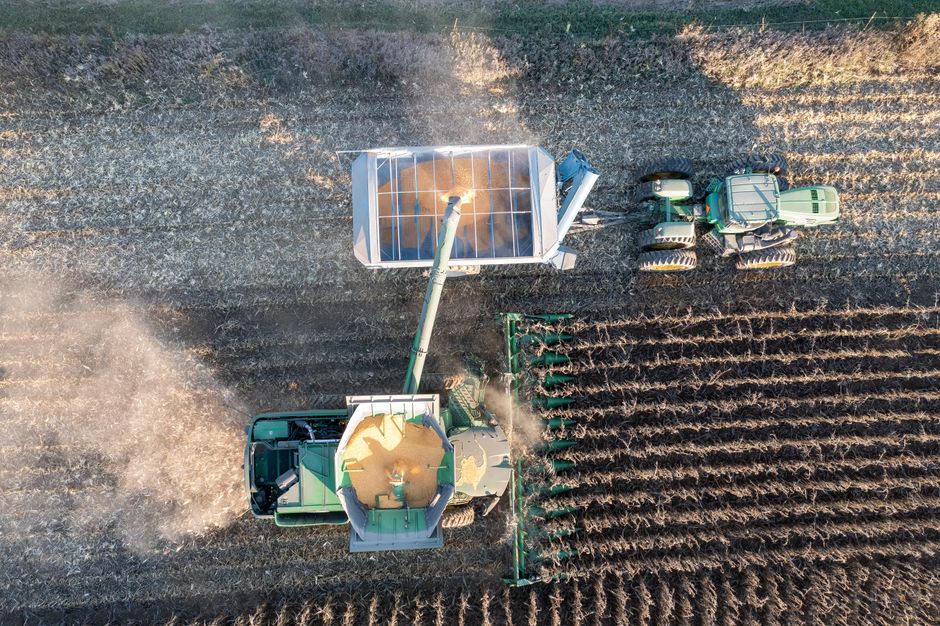
In the ever-evolving landscape of agriculture, farmers face numerous challenges, from unpredictable weather patterns to fluctuating market prices. One of the most effective ways to mitigate these risks is through crop insurance. This essential safety net not only provides financial protection but also encourages sustainable farming practices. Understanding the intricacies of crop insurance is crucial for farmers looking to secure their livelihoods in an uncertain environment.
The Importance of Crop Insurance
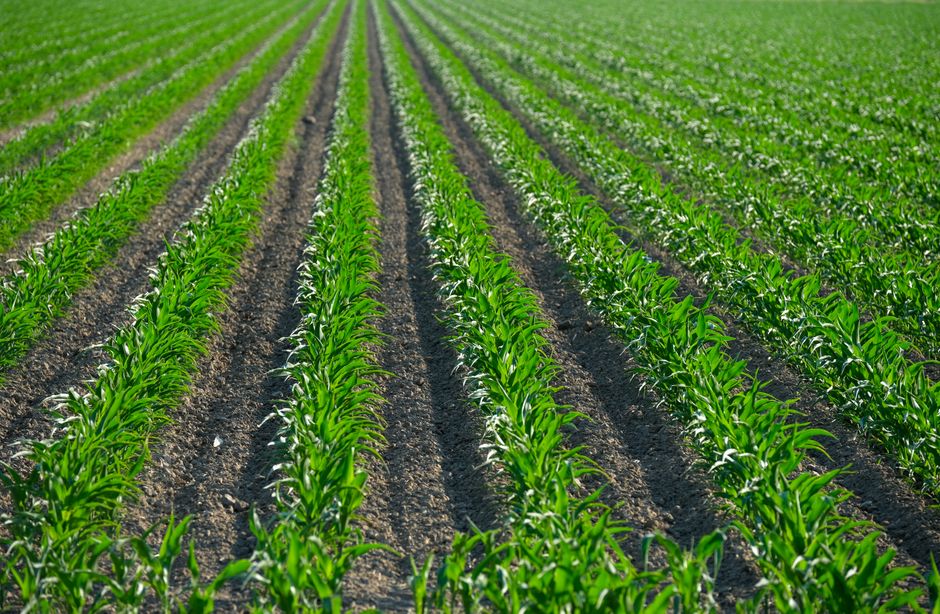
Crop insurance serves as a critical tool for farmers, offering protection against loss of crops due to natural disasters, pests, and diseases. According to the Risk Management Agency, crop insurance has become increasingly popular, with over 1 million policies covering more than 300 million acres of farmland in the United States alone. This widespread adoption highlights the vital role of crop insurance in ensuring food security and stabilizing farm income.
Moreover, crop insurance not only protects farmers but also contributes to the overall economy. By safeguarding agricultural production, it ensures a steady supply of food and raw materials. Additionally, crop insurance encourages investment in sustainable practices, as farmers are more likely to adopt innovative techniques when they know their investments are protected.
Types of Crop Insurance
There are several types of crop insurance available to farmers, each designed to cater to different needs and risks. The two primary categories are:
- Revenue Insurance: This type protects against loss of revenue caused by low prices or poor yields. It allows farmers to secure their income even in challenging market conditions.
- Yield Insurance: Yield insurance covers losses due to a decrease in crop yield. This type is particularly beneficial for farmers who face risks associated with adverse weather conditions.
Farmers can also choose between various plans, such as Actual Production History (APH) or Group Risk Plan (GRP), each offering unique benefits and coverage levels. Understanding these options is essential for farmers to select the right plan that aligns with their specific circumstances and risk tolerance.
How to Choose the Right Crop Insurance Policy
Selecting the appropriate crop insurance policy can be a daunting task for many farmers. To make an informed decision, consider the following factors:
- Assess Your Risks: Evaluate the specific risks associated with your crops and region. Understanding local weather patterns, pest threats, and market trends can help tailor your insurance selection.
- Consult with Experts: Engaging with insurance agents who specialize in agricultural policies can provide valuable insights. They can guide you through the nuances of different plans and help you identify the best options for your needs.
- Evaluate Costs: While crop insurance is an investment, it’s essential to analyze the costs involved in premiums versus the potential payouts. A thorough cost-benefit analysis can help determine the policy’s overall value.
By taking these factors into account, farmers can make informed decisions that not only protect their crops but also enhance their overall farming strategy.
Challenges and Limitations of Crop Insurance
Despite its benefits, crop insurance is not without its challenges. One significant limitation is the complexity of policies, which can be overwhelming for farmers, particularly those new to the agricultural field. The various terms, conditions, and exclusions can lead to confusion and misinterpretation.
Furthermore, not all crops may be eligible for coverage, and certain high-risk areas might face higher premiums or limited options.
Additionally, some farmers may struggle to afford the premiums, leading to underinsurance. This situation highlights the need for educational resources to help farmers understand the importance of adequate coverage.
The Future of Crop Insurance
As climate change continues to impact agricultural practices, the role of crop insurance is likely to evolve. Policymakers and industry leaders are already discussing the need for more adaptive insurance products that can respond to emerging risks.
Technological advancements, such as remote sensing and data analytics, are also paving the way for more precise assessments of risk and loss. These innovations could lead to more tailored insurance products, ultimately benefiting farmers by providing better coverage and reducing premiums.
In this context, understanding the role of crop insurance becomes even more critical as farmers navigate the complexities of modern agriculture.
Conclusion
In conclusion, crop insurance is an indispensable tool for farmers, offering protection against a wide array of risks. By understanding its importance, types, selection criteria, and future trends, farmers can make informed decisions that safeguard their livelihoods. As the agricultural landscape continues to change, embracing crop insurance will be vital for ensuring food security and promoting sustainable farming practices.