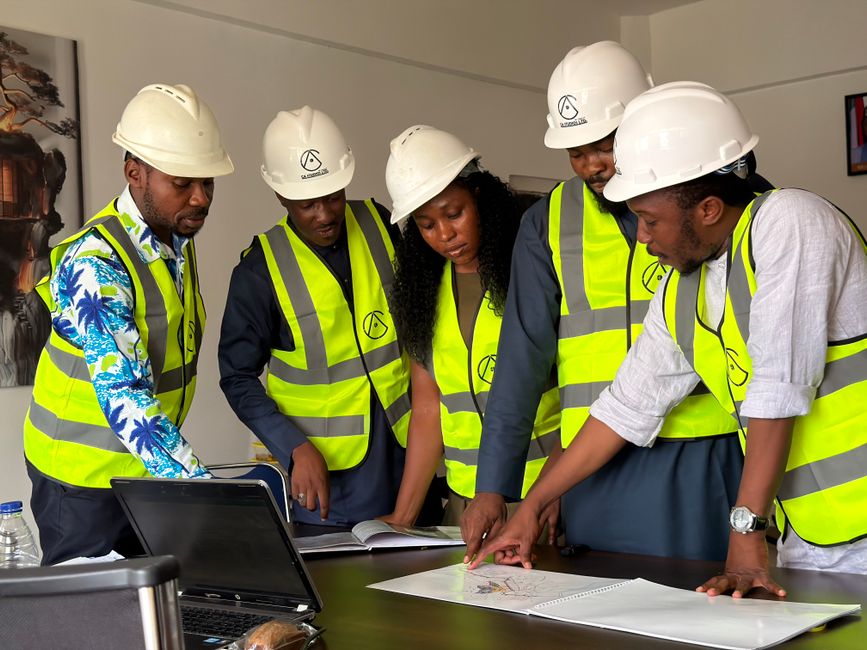
In today’s fast-paced world, effective space utilization has become a critical aspect of both residential and commercial design. A well-planned space not only enhances functionality but also influences productivity and well-being. This is where the expertise of a space planning consultant becomes invaluable. These professionals are adept at analyzing spatial needs and creating designs that optimize every square foot. In this article, we will explore the essential functions of a space planning consultant, the benefits they offer, and how they can transform environments to meet specific needs.
Understanding Space Planning

Space planning is the process of organizing furniture and equipment within a designated area to achieve a specific purpose. This involves assessing the given space, understanding the client’s requirements, and devising a layout that balances aesthetics with functionality. A space planning consultant plays a pivotal role in this process, using their knowledge of design principles, ergonomics, and human behavior to create spaces that are not only visually appealing but also practical.
For instance, in an office setting, a consultant will consider factors such as workflow, collaboration needs, and employee comfort. They will analyze how teams interact and propose layouts that facilitate communication while providing privacy where necessary. This level of planning can significantly impact employee satisfaction and productivity.
The Benefits of Hiring a Space Planning Consultant
One of the primary advantages of engaging a space planning consultant is their ability to save time and resources. By leveraging their expertise, clients can avoid costly mistakes that often arise from poorly executed designs. A consultant will conduct thorough assessments to ensure that the space is utilized efficiently, reducing wasted areas that serve no purpose.
Moreover, a space planning consultant can help clients navigate zoning laws and building codes, ensuring that all designs comply with local regulations. This can be particularly beneficial for businesses looking to expand or relocate, as it mitigates the risk of legal complications.
Another significant benefit is the consultant’s ability to create flexible spaces that can adapt to changing needs. With the rise of remote work and hybrid models, having a versatile workspace is crucial. A well-designed environment allows for easy reconfiguration to accommodate different team sizes and collaboration styles, making it a sustainable investment for the future.
Case Studies: Successful Space Planning Projects
To illustrate the impact of space planning consultants, consider the transformation of a corporate office in New York City. The company faced challenges with employee engagement and collaboration due to a traditional office layout. By collaborating with a space planning consultant, they redesigned the office to include open workspaces, collaborative zones, and quiet areas for focused work. As a result, employee satisfaction scores improved by 30%, and productivity levels soared.
Another example is a healthcare facility that struggled with patient flow and staff efficiency. A space planning consultant analyzed the layout and proposed a redesign that streamlined patient movement and minimized bottlenecks. Post-implementation surveys indicated a 25% reduction in patient wait times, showcasing the consultant’s impact on operational efficiency.
Choosing the Right Space Planning Consultant
When selecting a space planning consultant, it is essential to consider their experience and portfolio. Look for professionals who have worked on projects similar to yours and can demonstrate a track record of successful outcomes. It’s also crucial to assess their design philosophy and ensure it aligns with your vision.
Communication is another key factor. A successful collaboration hinges on open dialogue between the consultant and the client. Ensure that the consultant is willing to listen to your needs and incorporate your ideas into the design. This collaborative approach will result in a space that reflects your goals and enhances user experience.
Future Trends in Space Planning
The field of space planning is continually evolving, with new technologies and trends shaping the way spaces are designed. For instance, the rise of smart technology has introduced innovative solutions for managing space utilization. IoT devices can provide real-time data on occupancy levels, enabling businesses to make informed decisions about their layouts.
Sustainability is another critical trend influencing space planning. As more companies prioritize environmental responsibility, consultants are increasingly incorporating eco-friendly materials and energy-efficient designs into their plans. This not only benefits the environment but can also lead to cost savings in the long run.
In conclusion, the role of a space planning consultant is vital in creating functional, aesthetically pleasing, and adaptable environments. By understanding the specific needs of clients and utilizing their expertise, these professionals can transform spaces to enhance productivity and well-being. Whether it’s a corporate office, healthcare facility, or educational institution, the impact of effective space planning cannot be overstated. For those looking to navigate the complexities of space design, engaging a space planning consultant is a strategic move that can lead to remarkable outcomes.