
Stainless steel has become an essential material in various industries due to its unique properties and versatility. This alloy, primarily composed of iron, carbon, and chromium, is known for its resistance to corrosion and staining, making it ideal for numerous applications. From kitchen appliances to architectural structures, stainless steel plays a crucial role in ensuring durability and aesthetic appeal. In this article, we will explore the various uses, advantages, and innovations surrounding stainless steel.
Understanding Stainless Steel
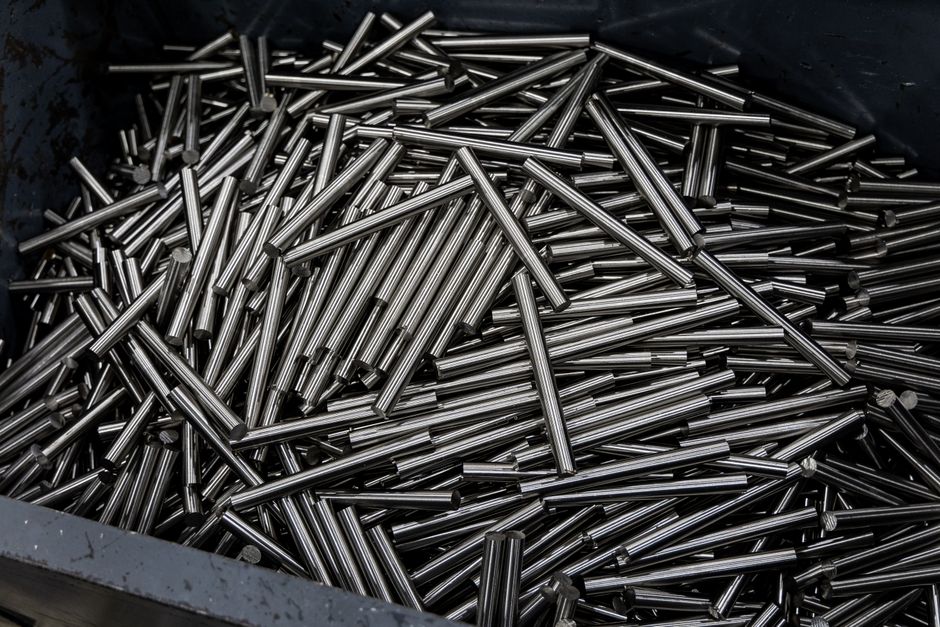
Stainless steel is not a single alloy but rather a collection of iron-based alloys that contain a minimum of 10.5% chromium. This composition provides the material with its well-known corrosion-resistant properties. There are several grades of stainless steel, each tailored for specific applications. For instance, 304 stainless steel is commonly used in kitchen equipment due to its excellent resistance to oxidation and corrosion, while 316 stainless steel is preferred in marine environments due to its enhanced resistance to chloride corrosion.
The classification of stainless steel includes austenitic, ferritic, martensitic, duplex, and precipitation hardening, each with distinct characteristics and applications. The choice of grade largely depends on the intended use, which could range from construction to medical instruments.
Applications of Stainless Steel
Stainless steel finds its applications in a myriad of sectors. In the culinary industry, stainless steel is favored for cookware, cutlery, and kitchen surfaces due to its hygienic properties and ease of cleaning. The food and beverage industry utilizes stainless steel tanks and pipes to prevent contamination, ensuring the safety of consumables.
In construction, stainless steel is employed for structural components, facades, and roofing materials. Its strength and durability contribute to the longevity of buildings and infrastructure. For example, stainless steel is often used in bridges, railings, and skyscrapers, where both aesthetic appeal and structural integrity are paramount.
Advantages of Stainless Steel
The benefits of using stainless steel extend beyond its resistance to corrosion and staining. One of the most notable advantages is its strength-to-weight ratio. Stainless steel is incredibly strong, allowing for the construction of lighter structures without compromising safety. Additionally, it is highly recyclable, making it an environmentally friendly choice for manufacturers and consumers alike.
Stainless steel also maintains its appearance over time, requiring minimal maintenance compared to other materials. Its ability to withstand extreme temperatures and pressures makes it suitable for a wide range of industrial applications, including chemical processing and oil refining.
Innovations in Stainless Steel Technology
The evolution of stainless steel technology has led to the development of new alloys and surface treatments that enhance its properties. Nanotechnology is being explored to create self-cleaning surfaces that can repel dirt and grime, reducing the need for chemical cleaners.
Furthermore, advancements in manufacturing processes, such as additive manufacturing, are enabling the production of complex stainless steel components that were previously difficult or impossible to create. These innovations are expanding the horizons of what can be achieved with stainless steel in various industries.
The Future of Stainless Steel
As industries continue to prioritize sustainability and efficiency, the demand for stainless steel is expected to rise. Its recyclability and durability make it a preferred material for future construction projects and industrial applications. Companies are increasingly investing in research and development to create even more advanced grades of stainless steel, which will further enhance its performance and applicability.
Moreover, the trend towards urbanization and infrastructure development in emerging markets will drive the demand for stainless steel, especially in the construction and automotive sectors. For instance, a leading Furniture Company In Saudi Arabia has started utilizing stainless steel in its product lines to combine elegance with durability, illustrating the material’s versatility across different markets.
Conclusion
Stainless steel stands as a testament to the synergy of strength, durability, and aesthetic appeal. Its widespread applications across various industries showcase its versatility and importance in modern society. As technology advances and the demand for sustainable materials grows, stainless steel will undoubtedly continue to play a pivotal role in shaping the future of manufacturing, construction, and design.