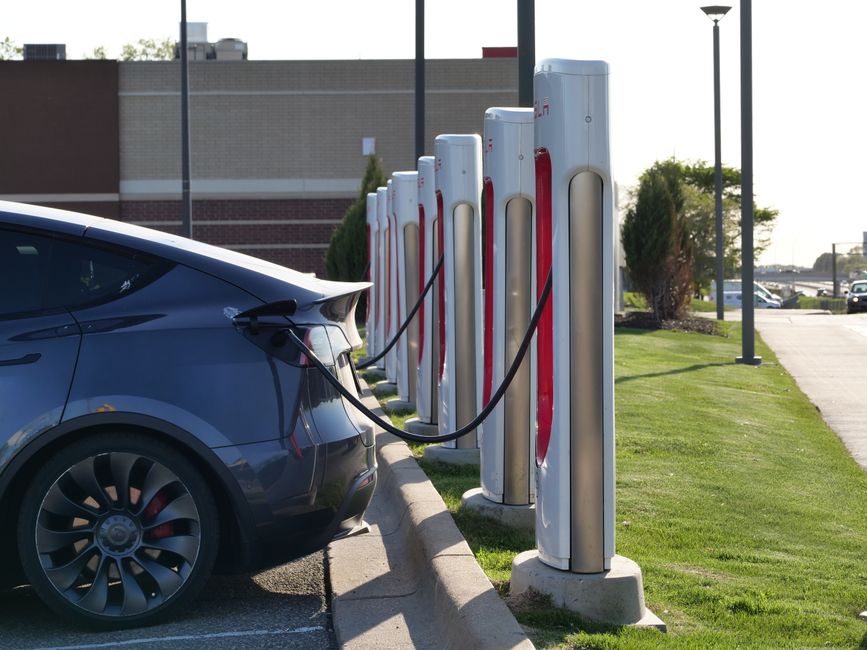
The electric vehicle (EV) industry is booming, with more consumers opting for sustainable transportation options. As the demand for EVs increases, so does the need for high-quality batteries. In this landscape, EV battery suppliers play a crucial role. Understanding the dynamics of these suppliers can help stakeholders make informed decisions that drive the industry forward.
Understanding the Role of EV Battery Suppliers
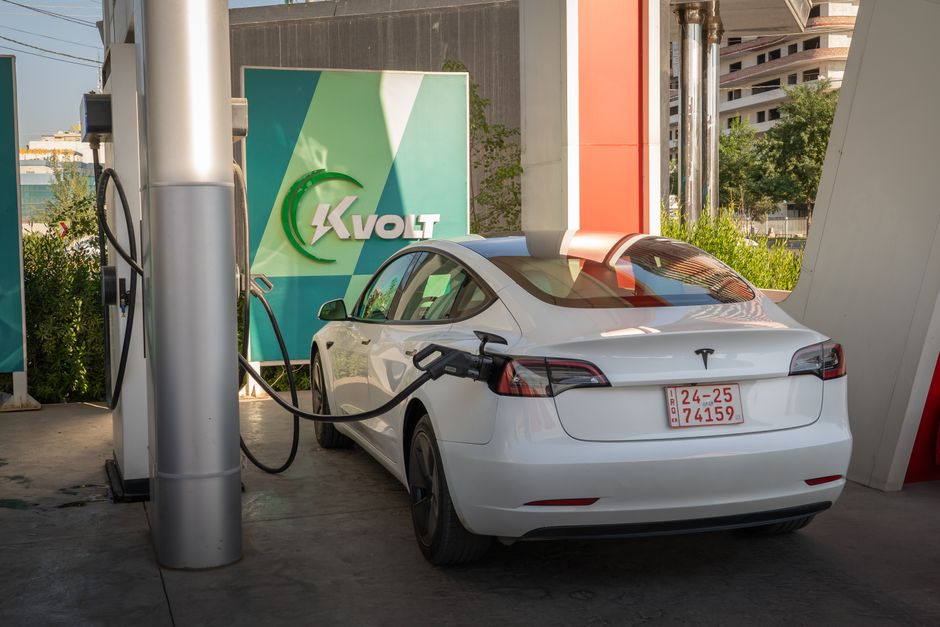
EV battery suppliers are essential for the growth of the electric vehicle market. They provide the batteries that power electric cars, buses, and other vehicles, influencing everything from range to charging times. As technology advances, the requirements for batteries evolve. Suppliers must adapt to these changes, investing in research and development to create more efficient and long-lasting batteries.
For instance, leading suppliers are focusing on lithium-ion technology, which currently dominates the market. With advancements in this field, companies are striving to enhance performance while reducing costs. This is where suppliers become vital, as they ensure that automakers have access to cutting-edge technology that meets the demands of consumers.
Moreover, the relationship between automakers and battery suppliers is becoming increasingly strategic. Many manufacturers are entering partnerships with suppliers to secure their battery needs and drive innovation. This shift highlights the importance of choosing the right EV battery supplier for long-term success.
The Market Landscape of EV Battery Suppliers
The market for EV batteries is characterized by a mix of established players and new entrants. Major players like Tesla, LG Chem, and Panasonic are competing alongside emerging companies that bring fresh perspectives and innovative solutions. This competition fosters a dynamic environment where technology can flourish.
According to a recent report, the global EV battery market is expected to grow at a CAGR of over 20% in the coming years, reaching approximately $100 billion by 2025. This growth is propelled by increasing consumer awareness about environmental issues and government incentives for EV adoption.
As the market expands, suppliers are also diversifying their offerings. Some are exploring solid-state batteries, which promise to deliver higher energy densities and increased safety compared to traditional lithium-ion batteries. These advancements present a significant opportunity for suppliers willing to invest in new technologies.
Challenges Facing EV Battery Suppliers
Despite the promising outlook, EV battery suppliers face several challenges. One of the most significant issues is the supply chain for raw materials. Key components like lithium, cobalt, and nickel are in high demand, and their prices can be volatile. Suppliers must navigate these challenges to maintain profitability while ensuring a steady supply of batteries for manufacturers.
Additionally, environmental concerns regarding battery production and disposal are becoming more prominent. Suppliers are under pressure to adopt sustainable practices, including recycling programs and the use of eco-friendly materials. This shift not only helps the planet but can also improve brand reputation among consumers who prioritize sustainability.
Furthermore, the technological landscape is evolving rapidly. Suppliers must keep pace with advancements in battery technology to remain competitive. This requires substantial investment in research and development, which can be a barrier for smaller suppliers.
Future Trends in EV Battery Supply
Looking ahead, several trends are likely to shape the future of EV battery suppliers. First, there will be a continued focus on sustainability. As regulations tighten around emissions and environmental impact, suppliers will need to adopt greener practices throughout their operations.
Second, the rise of battery recycling technologies will play a crucial role in the industry. By developing efficient recycling methods, suppliers can reduce their reliance on raw materials and minimize their environmental footprint. This is not just beneficial for the planet; it can also lead to cost savings over time.
Finally, as electric vehicles become more mainstream, the demand for faster charging solutions will grow. Suppliers that can innovate in this area will have a competitive advantage. Companies are already exploring ultra-fast charging technologies, which could revolutionize the way consumers use electric vehicles.
Conclusion: The Strategic Importance of Choosing the Right Supplier
In conclusion, the role of EV battery suppliers is critical to the success of the electric vehicle market. As automakers and consumers alike shift towards sustainable transportation, understanding the dynamics of battery supply will be essential. By choosing the right EV battery supplier, stakeholders can ensure they are equipped to meet the challenges and opportunities of this rapidly evolving industry.