As the global population continues to soar, the need for sustainable and efficient agricultural practices has never been more pressing. Vertical farming technology emerges as a revolutionary solution to address food security issues while minimizing environmental impact. This article delves into the core principles, advantages, and challenges of vertical farming, offering insights into its potential to reshape the agricultural landscape.
Understanding Vertical Farming
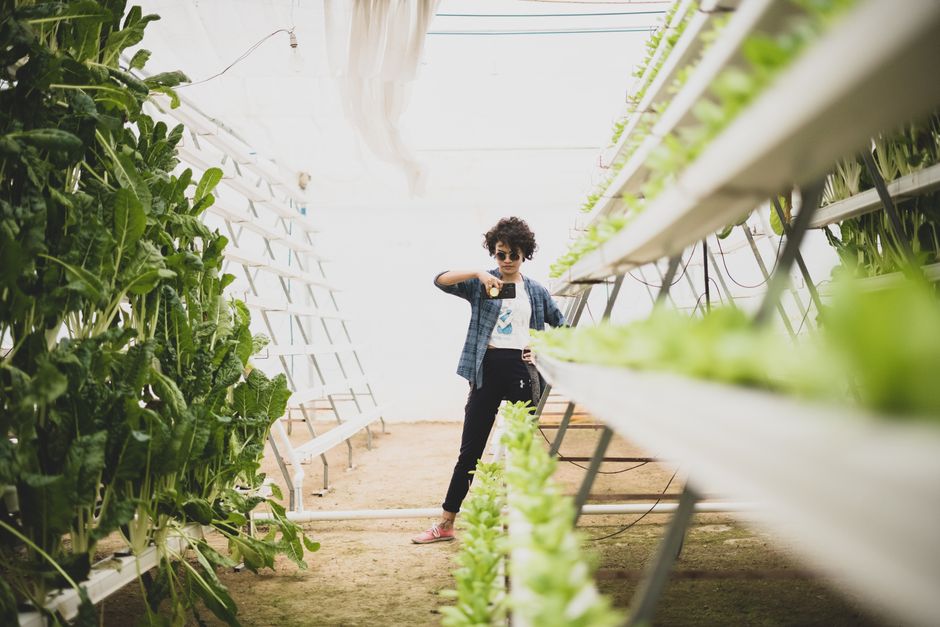
Vertical farming refers to the practice of growing crops in vertically stacked layers, often in controlled indoor environments. This innovative technique utilizes advanced technologies such as hydroponics, aeroponics, and aquaponics to cultivate plants without traditional soil. One significant advantage of vertical farming is its ability to conserve space, making it particularly suitable for urban areas where land is scarce.
The concept of vertical farming dates back to the early 1990s, but it has gained significant traction in recent years due to technological advancements and increasing awareness of sustainable practices. According to a report by MarketsandMarkets, the vertical farming market is projected to reach $12.77 billion by 2026, growing at a CAGR of 24.9% from 2021.
The Technological Innovations Behind Vertical Farming
Vertical farming technology integrates various innovations that enhance productivity and sustainability. One such technology is LED lighting, which allows farmers to optimize light conditions for photosynthesis, leading to faster growth rates. Additionally, climate control systems maintain optimal temperature and humidity levels, ensuring a favorable environment for plant growth.
Moreover, the use of sensors and IoT devices enables farmers to monitor their crops in real time, allowing for precise adjustments in nutrient delivery and water usage. This level of control significantly reduces resource waste compared to traditional farming methods.
Furthermore, the integration of artificial intelligence (AI) in vertical farming systems enhances decision-making processes. AI algorithms can analyze data from various sources, leading to improved crop yields and reduced operational costs.
Benefits of Vertical Farming
The advantages of vertical farming extend beyond just efficient land use. One of the primary benefits is the reduction of water consumption. According to research, vertical farms can use up to 90% less water than conventional farming methods. This is particularly crucial in regions facing water scarcity.
Additionally, vertical farming reduces the need for harmful pesticides and fertilizers, as the controlled environment minimizes pest infestations. This contributes to healthier crops and a safer food supply for consumers. Furthermore, vertical farms can be located closer to urban centers, decreasing transportation costs and carbon emissions associated with food distribution.
Another significant advantage is the potential for year-round crop production. By eliminating seasonal constraints, vertical farming can provide a consistent supply of fresh produce, which is increasingly important in the face of climate change.
Challenges Facing Vertical Farming
Despite its many benefits, vertical farming technology is not without challenges. The initial setup costs can be prohibitively high, particularly for advanced systems that incorporate numerous technologies. This can deter potential investors and limit the scalability of vertical farms.
Moreover, while vertical farming can produce a variety of crops, certain staple foods such as grains are still difficult to cultivate in this environment. This limitation raises questions about the overall sustainability and practicality of vertical farming as a comprehensive solution to global food shortages.
Another challenge is the energy consumption associated with lighting and climate control systems. Although innovations in renewable energy sources are promising, the reliance on electricity for vertical farms can lead to significant operational costs and environmental concerns if not managed properly.
Conclusion: The Path Forward for Vertical Farming
Vertical farming technology represents a promising avenue for addressing the world’s growing food demands while promoting sustainable practices. As technological advancements continue to evolve, the potential for increased efficiency and reduced costs will likely enhance the viability of vertical farms.
By investing in research and development, as well as fostering collaborations between entrepreneurs, scientists, and policymakers, the vertical farming industry can overcome existing challenges and pave the way for a more sustainable agricultural future. For those interested in learning more about the various aspects of vertical farming technology, a wealth of resources and studies are available that explore its multifaceted impact on modern agriculture.