In today’s rapidly evolving industrial landscape, automation has become a cornerstone of operational efficiency and productivity. As companies strive to stay competitive, the demand for reliable industrial automation suppliers has surged. These suppliers offer not only cutting-edge technology but also comprehensive solutions that cater to a variety of industrial needs. This article delves into the significance of industrial automation suppliers, the technologies they provide, and how they can transform operations across different sectors.
The Importance of Industrial Automation
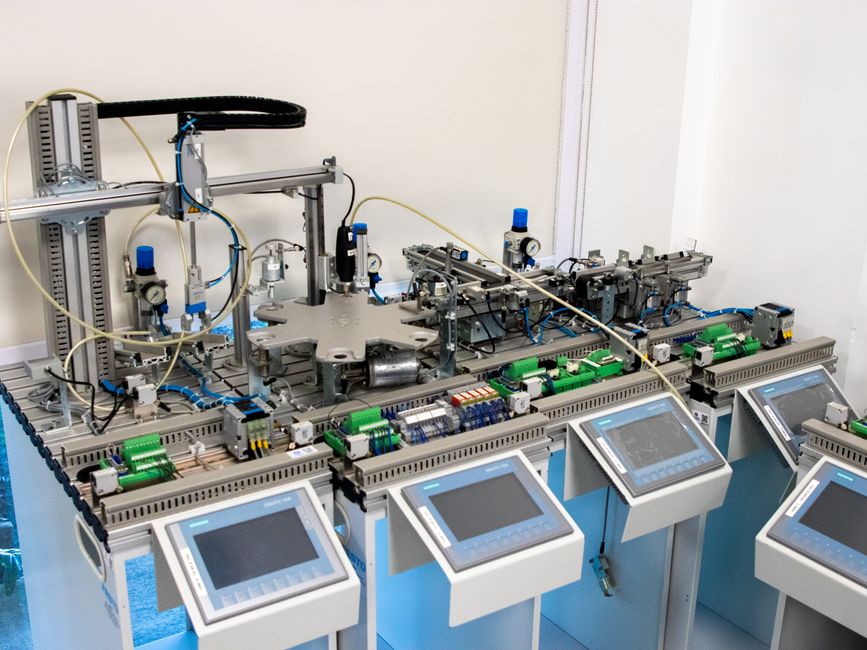
Industrial automation refers to the use of control systems such as computers or robots for handling different processes and machinery in an industry to replace human intervention. This shift has been pivotal in enhancing productivity, reducing errors, and improving safety. According to a report by McKinsey, companies that adopt automation can see productivity improvements of up to 30%.
As industries strive for greater efficiency, the role of industrial automation suppliers cannot be overstated. They provide the necessary tools and technologies that enable businesses to automate processes, optimize workflows, and ensure quality control. From manufacturing to logistics, automation technologies are revolutionizing traditional practices.
Key Technologies Offered by Automation Suppliers
Industrial automation suppliers offer a range of technologies designed to enhance operational efficiency. Some of the most important include:
1. Robotics: Robots are increasingly used in manufacturing processes for tasks such as welding, assembly, and packaging. Their precision and speed significantly reduce production times and labor costs.
2. Control Systems: Advanced control systems, including Programmable Logic Controllers (PLCs) and Human-Machine Interfaces (HMIs), allow for real-time monitoring and control of industrial processes. This helps in quick decision-making and response to operational challenges.
3. Sensors and IoT: The integration of sensors and Internet of Things (IoT) technologies enables businesses to gather data from their operations. This data can be analyzed to improve process efficiency and predict maintenance needs, thus reducing downtime.
Benefits of Partnering with Automation Suppliers
Choosing the right industrial automation supplier can lead to numerous benefits for a business. Here are a few key advantages:
1. Expertise and Support: Industrial automation suppliers possess deep knowledge of the technologies and can provide tailored solutions to meet specific industry needs. Their support ensures that systems are installed correctly and maintained throughout their lifecycle.
2. Cost Reduction: By automating processes, companies can significantly reduce operational costs. Automation minimizes the need for manual labor, reduces errors, and lowers the cost of production, which can result in increased profit margins.
3. Enhanced Flexibility: Modern automation solutions allow for greater flexibility in production processes. Companies can quickly adapt to changes in demand or product specifications without significant downtime or costs.
Case Studies: Success Stories in Automation
Many companies have benefited from partnering with industrial automation suppliers. For instance, a leading automotive manufacturer implemented robotic assembly lines, which resulted in a 25% increase in production speed and a 15% reduction in labor costs. Another case involves a food processing company that utilized IoT sensors to monitor equipment status, reducing unplanned downtime by 40%.
These examples demonstrate how the implementation of automation technologies can lead to significant operational improvements and a competitive edge in the market.
The Future of Industrial Automation
The future of industrial automation is bright, with advancements in artificial intelligence, machine learning, and robotics paving the way for more intelligent and autonomous systems. As technology continues to evolve, industrial automation suppliers will play a crucial role in helping businesses adapt and thrive in an increasingly automated world.
In conclusion, the partnership between industries and automation suppliers is vital for achieving operational excellence. By investing in automation technologies and working with experienced suppliers, businesses can enhance efficiency, reduce costs, and position themselves for future growth.