
Aviation insurance is a critical component of the aviation industry, providing essential coverage for various risks associated with aircraft operations. As the aviation sector continues to grow, the need for comprehensive insurance solutions becomes increasingly vital. This article aims to explore the intricacies of aviation insurance, its types, and the factors influencing its cost.
Understanding Aviation Insurance
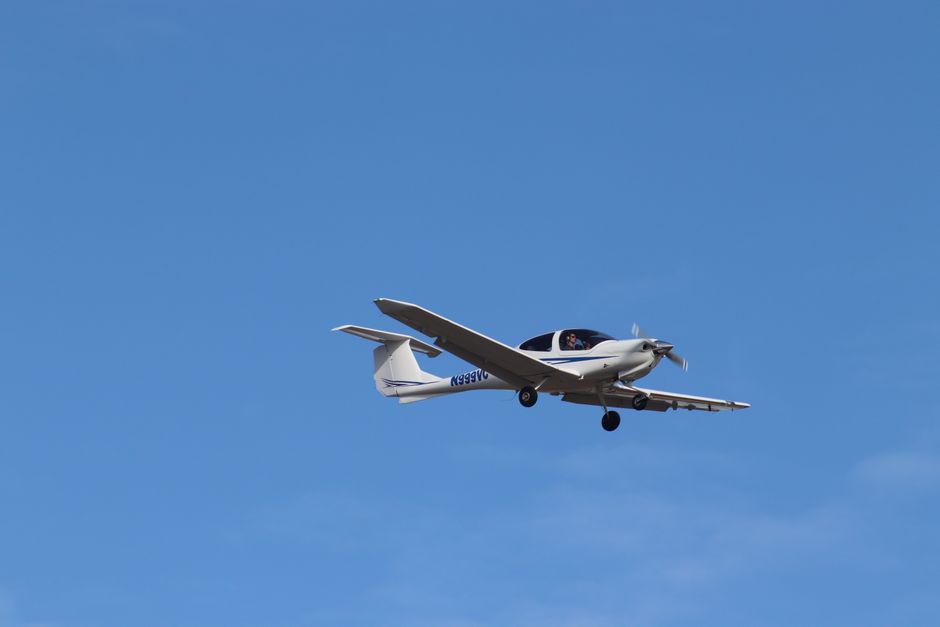
Aviation insurance is designed to protect aircraft owners, operators, and other stakeholders from financial losses due to accidents, damage, or liability claims. Unlike standard insurance policies, aviation insurance caters to the unique risks posed by flying, including hull damage, passenger liability, and third-party liability.
The primary purpose of aviation insurance is to mitigate risks associated with aircraft operations. Given the high value of aircraft and the potential for catastrophic accidents, having a robust insurance policy is essential for any aviation-related business. It not only provides financial protection but also ensures compliance with legal requirements mandated by aviation authorities.
Types of Aviation Insurance
There are several types of aviation insurance, each tailored to specific needs within the industry. The most common types include:
- Hull Insurance: Covers physical damage to the aircraft.
- Liability Insurance: Protects against claims for injuries or damage to third parties.
- Passenger Liability Insurance: Specifically covers liabilities related to passengers on board.
- Ground Risk Hull Insurance: Covers damage that occurs while the aircraft is on the ground.
Each type of insurance serves a distinct purpose and is essential for ensuring comprehensive coverage. For example, hull insurance is crucial for aircraft owners, while liability insurance is a must-have for operators to protect against legal claims.
Factors Influencing Aviation Insurance Costs
The cost of aviation insurance can vary significantly based on several factors. Some of the key considerations include:
- Aircraft Type: The make, model, and age of the aircraft can greatly impact insurance premiums.
- Usage: How the aircraft is used (commercial, private, training) influences risk assessment.
- Experience of the Pilot: The pilot’s qualifications and flying hours are critical in determining rates.
- Location: The geographical area where the aircraft operates can also affect costs due to varying risk levels.
For instance, aircraft that are used for commercial purposes often face higher premiums compared to those used privately, owing to increased operational risks. Additionally, insurance providers will assess the pilot’s experience to gauge potential risks associated with the flight operations.
The Importance of Choosing the Right Insurance Provider
Selecting the right aviation insurance provider is crucial for ensuring adequate coverage and support during claims. When evaluating potential insurers, it is essential to consider their experience in the aviation sector, their reputation, and the comprehensiveness of their policies.
Moreover, engaging with an insurance broker who specializes in aviation can provide invaluable insights and help navigate the complex landscape of aviation insurance. A knowledgeable broker can assist in tailoring policies to meet specific needs and ensuring that clients receive the best coverage at competitive rates.
Case Studies in Aviation Insurance
Examining real-world scenarios can help illustrate the significance of aviation insurance. For example, in 2018, a private jet crash resulted in significant liabilities and damages, leading to claims exceeding millions of dollars. The aircraft owner had comprehensive aviation insurance, which covered the costs associated with the accident, highlighting the critical role of insurance in mitigating financial losses.
Additionally, another case involved a commercial airline that faced a lawsuit due to an accident during takeoff. Thanks to their robust liability insurance, the airline was able to cover legal expenses and compensation claims, showcasing how effective aviation insurance can protect businesses from devastating financial impacts.
Conclusion
In conclusion, aviation insurance is an indispensable aspect of the aviation industry, offering protection against various risks associated with aircraft operations. Understanding the different types of insurance, the factors influencing costs, and the importance of choosing the right provider can help stakeholders make informed decisions. By securing adequate coverage, aircraft owners and operators can navigate the complexities of the aviation world with confidence and peace of mind. For those seeking comprehensive policies, exploring options like aviation insurance will be beneficial in safeguarding their investments.