
Aquaponics is a revolutionary method of gardening that combines aquaculture and hydroponics, allowing for a sustainable and efficient way to grow both fish and plants together. With the rise in popularity of home gardening, many are turning to aquaponics kits as a solution for growing their own food while conserving water and space. This article delves into the various benefits of aquaponics kits, how they work, and why they are becoming an essential component of modern gardening.
Understanding Aquaponics Systems
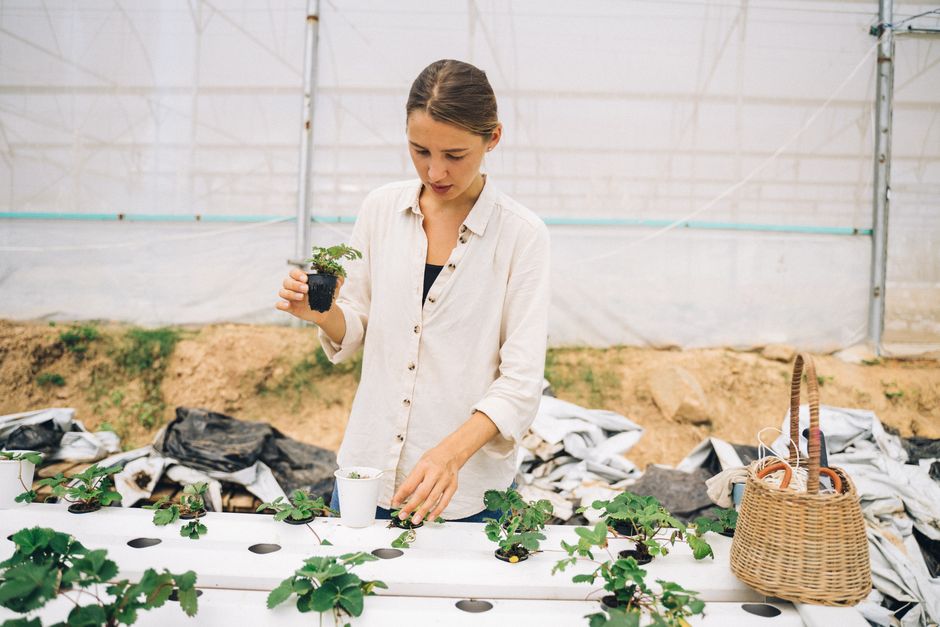
Aquaponics systems are designed to create a symbiotic relationship between fish and plants. Fish waste provides an organic nutrient source for the plants, while the plants help to filter and purify the water for the fish. This closed-loop system reduces water consumption by up to 90% compared to traditional farming methods. In fact, studies have shown that aquaponics systems can produce up to ten times more food per square meter than conventional agriculture.
One of the key components of an aquaponics system is the biofilter, which converts fish waste into nutrients that plants can absorb. The combination of fish farming and plant cultivation not only provides a sustainable food source but also helps maintain a balanced ecosystem.
Benefits of Using Aquaponics Kits
Aquaponics kits offer numerous advantages for home gardeners. Firstly, they are incredibly space-efficient, making them suitable for urban environments where traditional gardening may not be feasible. With just a small footprint, you can grow a variety of plants such as lettuce, herbs, and even fruit-bearing plants alongside fish.
Additionally, aquaponics systems are low-maintenance. Once set up, they require minimal intervention, allowing gardeners to enjoy fresh produce without the constant upkeep associated with soil gardening. This aspect makes it ideal for busy individuals or those new to gardening.
Moreover, aquaponics promotes organic gardening practices. Since the system relies on natural processes, there is no need for synthetic fertilizers or pesticides, making it a healthier choice for both the environment and consumers.
Choosing the Right Aquaponics Kit
When selecting an aquaponics kit, it’s important to consider several factors, including the size of the system, the type of fish and plants you wish to grow, and your available space. Many kits come pre-assembled and include everything needed to get started, such as fish tanks, grow beds, and pumps.
For beginners, smaller kits that accommodate a few fish and plants can be a great starting point. As you gain experience, you can expand to larger systems that support a more diverse range of species. Popular fish choices for aquaponics include tilapia, goldfish, and catfish, while commonly grown plants include basil, mint, and tomatoes.
Furthermore, consider the support and resources provided by the manufacturer. A reputable company will offer guidance on setup, maintenance, and troubleshooting, ensuring you have a successful aquaponics experience.
Success Stories in Aquaponics
Aquaponics is not just a trend; it has proven successful in various settings. For instance, many schools have adopted aquaponics systems as educational tools to teach students about sustainability, biology, and nutrition. These systems help engage students in hands-on learning while producing fresh food for the cafeteria.
Moreover, local communities have implemented aquaponics to address food security issues. By establishing community gardens that utilize aquaponics, neighborhoods can grow fresh produce year-round, reducing reliance on grocery stores and providing healthy options for residents.
Commercial aquaponics farms are also on the rise, showcasing the scalability of this method. These farms often supply local restaurants and markets with fresh fish and vegetables, emphasizing the local food movement and sustainable practices.
Getting Started with Your Aquaponics Kit
To begin your journey into aquaponics, it’s essential to educate yourself about the basic principles of the system. Numerous resources are available online and in bookstores that cover everything from setup to maintenance. Joining online forums or local gardening clubs can also provide valuable insights and support from fellow aquaponics enthusiasts.
After acquiring your kit, carefully follow the instructions for assembly and setup. It’s advisable to cycle the system for a few weeks before introducing fish, allowing beneficial bacteria to establish and ensuring a stable environment for your aquatic life.
Once your system is up and running, monitor water quality regularly and maintain a balance between fish and plant populations. With patience and practice, you will soon enjoy the fruits of your labor.
Conclusion
Aquaponics kits represent a revolutionary approach to gardening, combining the benefits of fish farming and plant cultivation in a sustainable and efficient manner. With their increasing popularity, they are transforming the way we think about food production, especially in urban settings. By investing in an aquaponics kit, you can contribute to a more sustainable future while enjoying fresh, homegrown produce. Consider exploring the options available, such as an aquaponics kit, and embark on your journey towards a greener lifestyle.