
In today’s unpredictable agricultural landscape, crop insurance has emerged as a crucial safety net for farmers. With climate change, fluctuating market prices, and various agricultural risks, farmers are increasingly recognizing the importance of safeguarding their investments. This article delves into the significance of crop insurance, the types available, and how it can impact the farming community.
What Is Crop Insurance?
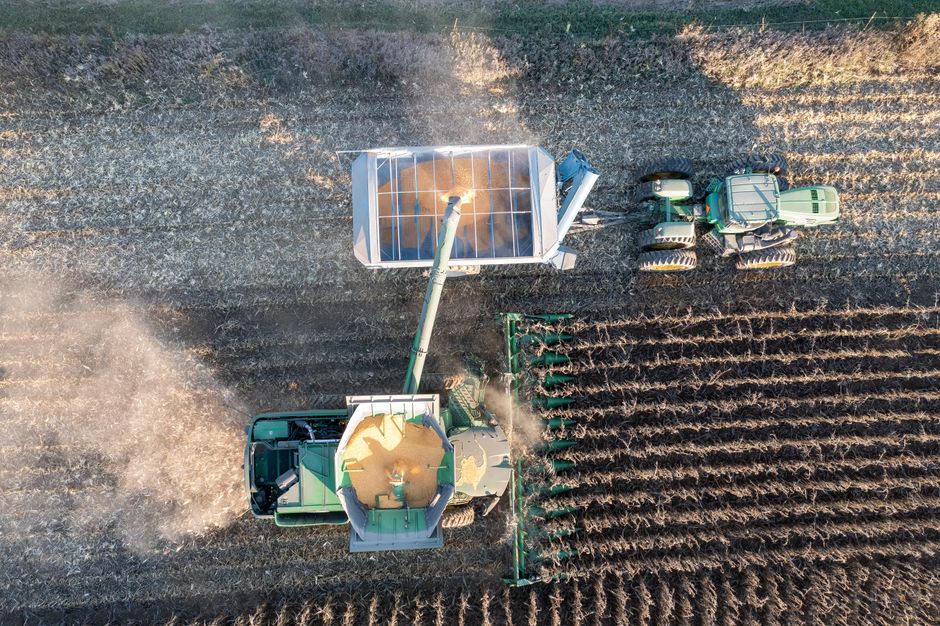
Crop insurance is a risk management tool that provides financial protection to farmers against the loss of their crops due to natural disasters, pests, or adverse weather conditions. By allowing farmers to mitigate risks, crop insurance plays a critical role in ensuring the sustainability of agricultural operations. It essentially helps farmers recover from losses, thereby promoting stability within the agricultural sector.
There are two primary types of crop insurance: Actual Production History (APH) insurance and Revenue Protection (RP) insurance. APH insurance covers losses based on the historical yield of a farmer’s crops, while RP insurance protects against both yield losses and declines in market prices. Understanding these types is vital for farmers when selecting the right policy for their needs.
The Importance of Crop Insurance in Modern Agriculture
The agricultural sector is inherently risky, with factors such as weather variability and market fluctuations posing continuous threats to farmers. Crop insurance serves as a financial buffer in these precarious situations. For instance, in 2020, farmers in the United States received over $8 billion in indemnity payments due to crop insurance claims resulting from adverse weather conditions. This financial support helps farmers maintain their operations and provides peace of mind, allowing them to focus on producing food rather than worrying about potential losses.
Moreover, crop insurance is not just beneficial for individual farmers; it also contributes to the overall stability of the agricultural economy. By protecting farmers from catastrophic losses, crop insurance supports rural economies and ensures a consistent food supply for consumers. As a result, policymakers often encourage the adoption of crop insurance through various subsidy programs and educational initiatives.
How to Choose the Right Crop Insurance Policy
Selecting the appropriate crop insurance policy can be a daunting task for farmers, given the multitude of options available. Farmers should begin by assessing their specific needs based on the types of crops they grow, the risks they face, and their financial situation. Consulting with an insurance agent who specializes in agricultural policies can provide valuable insights and guidance.
It’s also essential for farmers to consider the coverage levels and premium costs associated with different policies. A higher premium often translates to better coverage, but farmers must ensure that they can afford the premiums without jeopardizing their operational budget. Additionally, staying informed about changing agricultural policies and market conditions can equip farmers to make better decisions regarding their crop insurance.
Common Misconceptions About Crop Insurance
Despite its benefits, crop insurance is often surrounded by misconceptions. One common myth is that crop insurance is too expensive for small-scale farmers. However, various federal programs and subsidies are designed to make crop insurance accessible to all farmers, regardless of their operation size. Many small farmers find that the financial security offered by crop insurance far outweighs the costs involved.
Another misconception is that crop insurance only covers natural disasters. In reality, many policies also cover losses due to pests, disease, and even market fluctuations. Farmers must thoroughly review their policies and understand the scope of coverage to maximize their benefits.
The Future of Crop Insurance
As climate change continues to affect agricultural practices worldwide, the future of crop insurance appears to be evolving. New technologies and data analytics are paving the way for more personalized and precise insurance policies. For example, satellite imagery and weather data can now be used to assess risks and determine premium rates more accurately.
Additionally, as global food security becomes a pressing issue, governments and agricultural organizations are likely to enhance crop insurance programs to ensure that farmers can withstand the increasing pressures of climate change and market volatility. Such advancements can lead to a more resilient agricultural sector capable of meeting the growing demand for food.
Conclusion
In conclusion, crop insurance is an integral component of modern agriculture, providing farmers with the necessary protection against unforeseen risks. By understanding the types of policies available and the importance of crop insurance, farmers can make informed decisions to safeguard their livelihoods. As the agricultural landscape continues to change, embracing crop insurance will be essential for ensuring a sustainable and productive future in farming. For more information on crop insurance, visit crop insurance resources that can guide farmers in choosing the best coverage for their needs.