
In recent years, organic farming has gained immense popularity as consumers become more conscious of the food they consume and its environmental impact. This shift has led to a growing demand for organic farming supplies, which are crucial for both new and experienced farmers looking to transition or enhance their farming practices. Understanding what organic farming supplies are available and how they can benefit your agricultural practices is key to successful organic farming.
Understanding Organic Farming Supplies
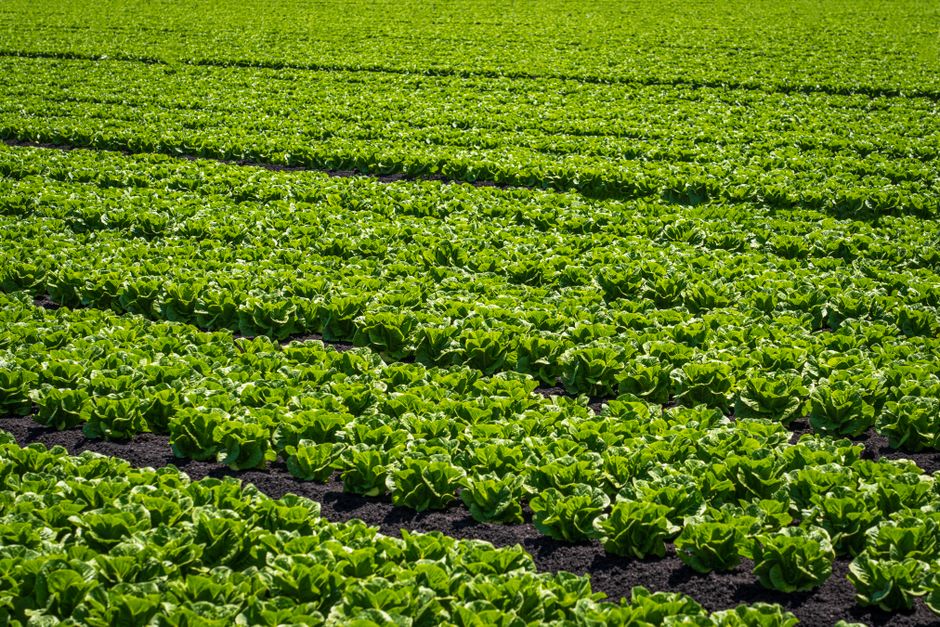
Organic farming supplies encompass a wide range of products that support the principles of organic agriculture. These supplies include seeds, fertilizers, pest control solutions, and tools that are compliant with organic farming standards. The use of these supplies not only helps in growing healthy crops but also promotes sustainability and biodiversity.
One of the most important aspects of organic farming supplies is the use of organic seeds. These seeds are non-GMO and are bred to thrive in organic conditions, ensuring that the plants produce the best yield without synthetic chemicals. Additionally, fertilizers derived from natural sources, such as compost and manure, are essential in providing nutrients to plants while maintaining soil health.
The Importance of Quality in Organic Supplies
When it comes to organic farming supplies, quality matters. High-quality supplies can significantly impact crop yields and overall farm health. For instance, using certified organic fertilizers can enhance soil fertility more effectively than their synthetic counterparts. This is because organic fertilizers improve soil structure, increase microbial activity, and enhance nutrient absorption by plants.
Moreover, pest control solutions for organic farming are crucial in managing pests without harming beneficial insects or the environment. Products such as neem oil or insecticidal soaps are popular choices among organic farmers, as they effectively manage pest populations while adhering to organic standards. Investing in quality organic farming supplies can lead to healthier crops and a more sustainable farming operation.
Where to Find Organic Farming Supplies
Finding reliable organic farming supplies can be a challenge, especially for beginners. Various sources provide these supplies, from local garden centers to specialized online retailers. One excellent resource for organic farming supplies is organic farming supplies, which offers a wide range of products tailored to organic practices.
Another option is to join local farming cooperatives or organizations that focus on organic agriculture. These groups often provide access to bulk organic supplies at lower prices and can connect farmers with other resources, such as workshops and training programs. Networking with other organic farmers can lead to valuable insights and recommendations on where to find the best supplies.
Cost Considerations for Organic Farming Supplies
While organic farming supplies can be more expensive than conventional options, the long-term benefits often outweigh the initial costs. Organic farming practices can lead to higher market prices for crops, as consumers are generally willing to pay a premium for organic products. Additionally, investing in organic supplies can reduce the need for costly soil amendments and pest control measures in the future.
It’s essential for farmers to budget wisely for organic supplies. By planning purchases and considering bulk buying options, farmers can save money and ensure they have the necessary supplies on hand throughout the growing season. Keeping track of expenses and comparing prices from different suppliers can also help in managing costs effectively.
Future Trends in Organic Farming Supplies
The organic farming industry is continuously evolving, with new innovations emerging regularly. Trends such as regenerative agriculture and permaculture are influencing the types of organic farming supplies available on the market. These practices focus on restoring soil health and enhancing biodiversity, which in turn requires specific supplies that align with these goals.
Moreover, technological advancements are paving the way for more efficient organic farming. Innovations in organic fertilizers, pest management solutions, and farming tools are making it easier for farmers to adopt organic practices. Keeping an eye on these trends and adapting to changes in the market can help farmers stay competitive and successful in their organic farming endeavors.
Conclusion
In conclusion, organic farming supplies play a vital role in the success of organic agriculture. By understanding the types of supplies available, their importance, and where to source them, farmers can enhance their practices and contribute to a more sustainable food system. As the demand for organic products continues to grow, investing in high-quality organic farming supplies will not only benefit individual farmers but also the environment and society as a whole.