
In a world increasingly driven by digital content, the art of book production remains a vital craft that combines creativity with technical precision. From initial concept to final print, the process of creating a book is intricate and rewarding. This article will explore the various stages of book production, the technologies involved, and best practices for aspiring authors and publishers alike.
Understanding the Stages of Book Production
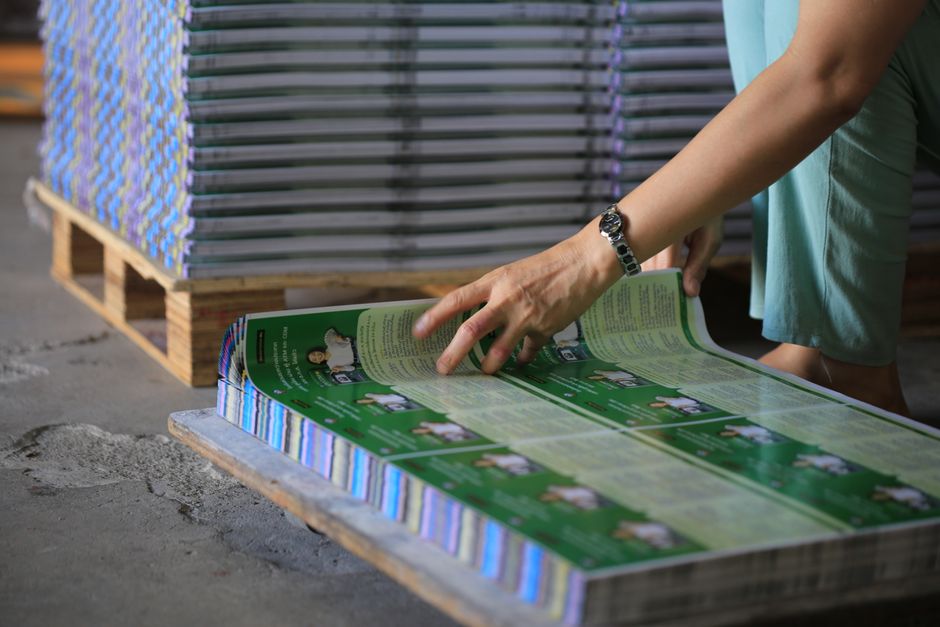
The production of a book involves several key stages, each critical to the overall success of the project. These stages typically include planning, writing, editing, design, and printing. Understanding these stages helps to streamline the process and ensures that the final product meets the desired quality standards.
Initially, planning is essential, as it sets the foundation for the entire project. This phase includes defining the target audience, setting a timeline, and developing a budget. Once the planning is complete, the writing phase begins, where the author creates the content. It’s crucial for writers to stay organized and focused during this stage, as this will influence the editing process that follows.
The Importance of Editing in Book Production
Editing is often regarded as one of the most critical stages in book production. It involves reviewing the manuscript for grammar, punctuation, and style, as well as ensuring that the content flows logically. A well-edited book not only enhances readability but also strengthens the author’s credibility.
There are different types of editing, including developmental editing, copy editing, and proofreading. Each type serves a specific purpose in refining the manuscript. For instance, developmental editing focuses on the overall structure and content, while copy editing hones in on sentence-level issues. After the manuscript has undergone thorough editing, it is ready for the design phase.
Designing Your Book: Cover and Interior
The design phase of book production is where creativity truly shines. A book’s cover is often the first impression a potential reader will have, making it a crucial element of marketing. The design should not only be visually appealing but also reflect the book’s content and genre.
Interior design is equally important, as it involves formatting the text for readability. This includes selecting fonts, setting margins, and incorporating images or graphics. Many authors and publishers now use software tools that facilitate the design process, allowing for greater control over the final product.
Printing Options and Considerations
Once the design is finalized, the next step is printing. Authors and publishers must consider various printing options, such as offset printing, digital printing, and print-on-demand services. Each option has its own advantages and cost implications.
Offset printing is ideal for large print runs, offering high-quality results and lower per-unit costs. Digital printing, on the other hand, is suitable for smaller quantities and allows for quicker turnaround times. Print-on-demand services have gained popularity in recent years, enabling authors to print books only as they are ordered, thereby reducing upfront costs and inventory concerns.
For those looking to create unique products, services that allow you to turn cards into a book uk can add a personal touch to the book production process. This option is particularly appealing for those creating custom gifts or limited editions.
Marketing Your Book After Production
After the book is produced, the next challenge is marketing it effectively. A well-executed marketing strategy can significantly impact a book’s success. This includes online promotion, social media campaigns, book signings, and partnerships with local bookstores.
Building an author platform is essential for reaching a wider audience. Engaging with readers through blogs, social media, and newsletters can help create a loyal following. Additionally, consider leveraging book reviews and endorsements from influencers in your genre to enhance credibility and visibility.
Conclusion: The Future of Book Production
The landscape of book production is continually evolving, influenced by advancements in technology and changes in consumer behavior. Despite these changes, the fundamental principles of creating a quality book remain constant. By understanding the intricacies of each stage in the production process, authors and publishers can navigate the challenges of bringing their ideas to life.
As we look to the future, embracing new technologies while maintaining a commitment to quality will be paramount. With the right approach, the art and science of book production can lead to successful and impactful literary works.