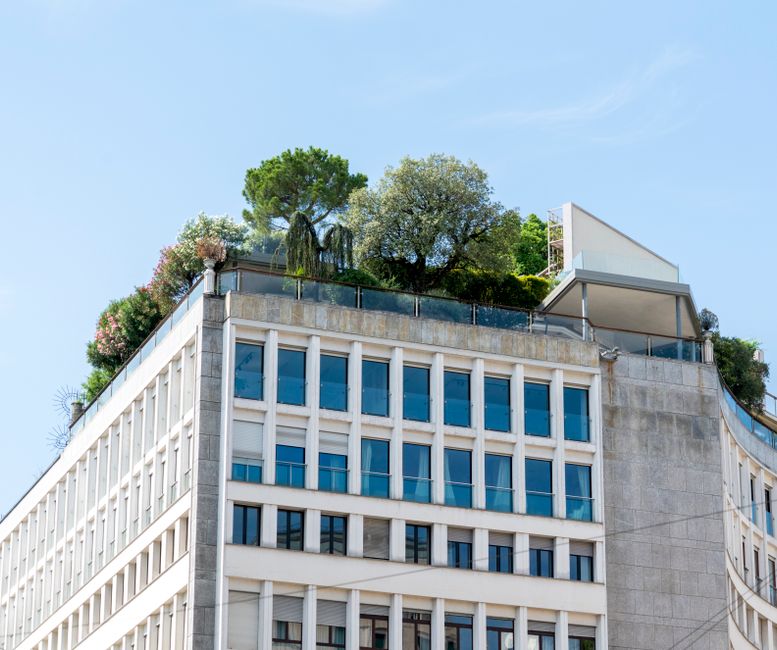
Terraces have become increasingly popular in modern architecture and landscape design, offering a unique blend of aesthetic appeal and functional outdoor space. Whether it’s a small balcony or a sprawling outdoor patio, terraces provide an invaluable space for relaxation, entertainment, and even gardening. In this article, we will explore the various aspects of terraces, from design considerations to maintenance tips, and how they enhance our living spaces.
The Evolution of Terrace Design
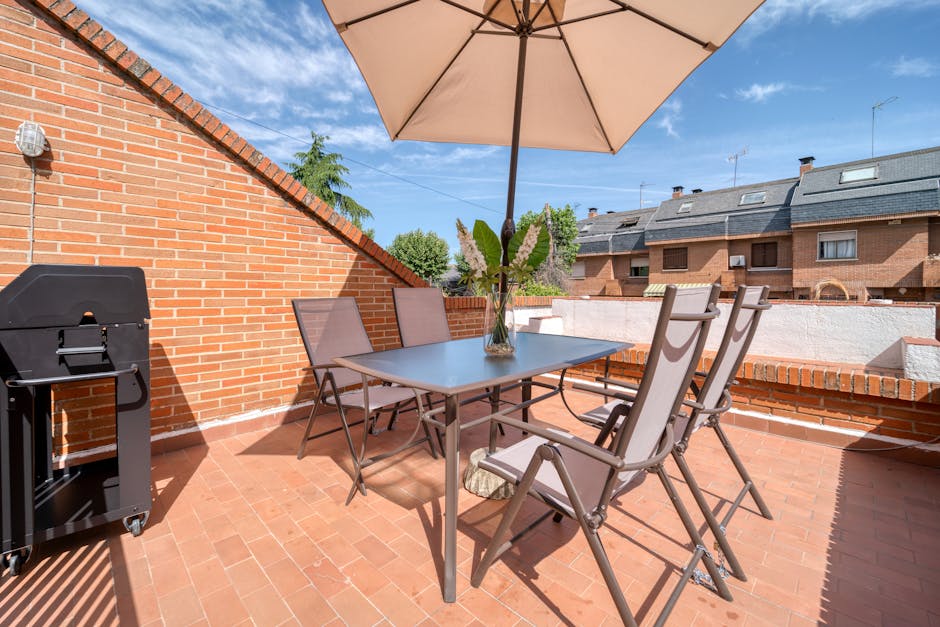
Historically, terraces have been utilized in various cultures around the world. From the ancient hanging gardens of Babylon to the intricately designed Japanese terraces, the concept has always been about creating usable outdoor spaces. In contemporary times, terrace design has evolved to incorporate various materials, styles, and functionalities. With the advent of modern building techniques and sustainable materials, terraces can now be designed to suit any home or personal taste.
One notable trend in terrace design is the integration of natural elements. Homeowners are increasingly opting for designs that include greenery, such as potted plants, vertical gardens, and even small trees. This not only enhances the beauty of the terrace but also improves air quality and provides a calming atmosphere.
Furthermore, technological advancements have made it easier to create terraces that are not only beautiful but also energy-efficient. From solar-powered lighting to water-efficient irrigation systems for terrace gardens, these innovations contribute to a sustainable living environment.
Functional Benefits of Terraces
Terraces serve a multitude of functions that extend beyond mere aesthetics. They can act as outdoor extensions of living spaces, providing areas for dining, entertaining guests, or simply relaxing in the sun. For instance, a terrace equipped with comfortable seating and a fire pit can become a favorite gathering spot for family and friends, especially during warmer months.
In addition to recreational purposes, terraces can also increase the value of a property. According to real estate experts, homes with well-designed outdoor spaces, including terraces, typically sell for higher prices compared to those without. This is particularly relevant in urban areas where outdoor space is at a premium.
Moreover, terraces can play a crucial role in urban gardening initiatives. With the rise of community gardening and self-sustaining practices, many homeowners are turning their terraces into mini-gardens, growing vegetables, herbs, and flowers. This not only promotes healthy eating but also fosters a sense of community among neighbors who share gardening tips and produce.
Design Considerations for Your Terrace
When planning a terrace, several key design considerations should be taken into account. First, the size and shape of the terrace should complement the existing architecture of the home. A well-proportioned terrace enhances the overall aesthetic and ensures it feels like a natural extension of the home.
Another important aspect is the choice of materials. Different materials can significantly affect the look and feel of the terrace. For example, wooden decks provide a warm and inviting atmosphere, while stone or concrete can offer a more modern and sleek appearance. Additionally, it’s essential to consider the maintenance requirements of the materials chosen, as some may require more upkeep than others.
Furthermore, the layout of the terrace should take into account how it will be used. Designating areas for dining, lounging, and gardening can help create a functional and enjoyable space. Incorporating elements such as shade sails or pergolas can also enhance comfort and usability during hot summer days.
Maintenance Tips for Terraces
Maintaining a terrace is crucial to ensure its longevity and usability. Regular cleaning is essential to prevent the buildup of dirt and debris, which can lead to damage over time. Depending on the materials used, different cleaning methods may be required. For instance, wooden decks may need to be treated with sealants, while stone surfaces may require specialized cleaners.
Additionally, landscaping elements such as potted plants or vertical gardens should be regularly tended to. This includes watering, pruning, and replacing plants as needed to keep the terrace vibrant and inviting. Implementing an irrigation system can simplify this task, ensuring plants receive adequate moisture without requiring constant attention.
Seasonal maintenance is also important, especially in regions with harsh winters. Protecting outdoor furniture and plants from extreme weather conditions can prevent damage and extend their lifespan. Investing in quality outdoor furniture that is weather-resistant can also minimize maintenance needs.
Conclusion
Terraces represent a versatile and valuable addition to any home, providing a space for relaxation, entertainment, and even gardening. With careful design considerations and regular maintenance, terraces can enhance both the aesthetic appeal and the functionality of a property. As urban living continues to evolve, the importance of outdoor spaces like terraces will only grow, making them a worthwhile investment for homeowners looking to create a harmonious balance between indoor and outdoor living.
For those considering enhancing their terraces, exploring options like Terrassenüberdachungen can provide additional protection and usability year-round, ensuring that these outdoor spaces remain enjoyable in any weather.