As the world grapples with the growing plastic waste crisis, plastic recycling companies play a crucial role in paving the way for a sustainable future. With millions of tons of plastic produced each year, effective recycling processes are vital to mitigate environmental impacts and promote circular economies. This article delves into the significance of these companies, their operational mechanisms, and the challenges they face in the recycling landscape.
Understanding the Role of Plastic Recycling Companies
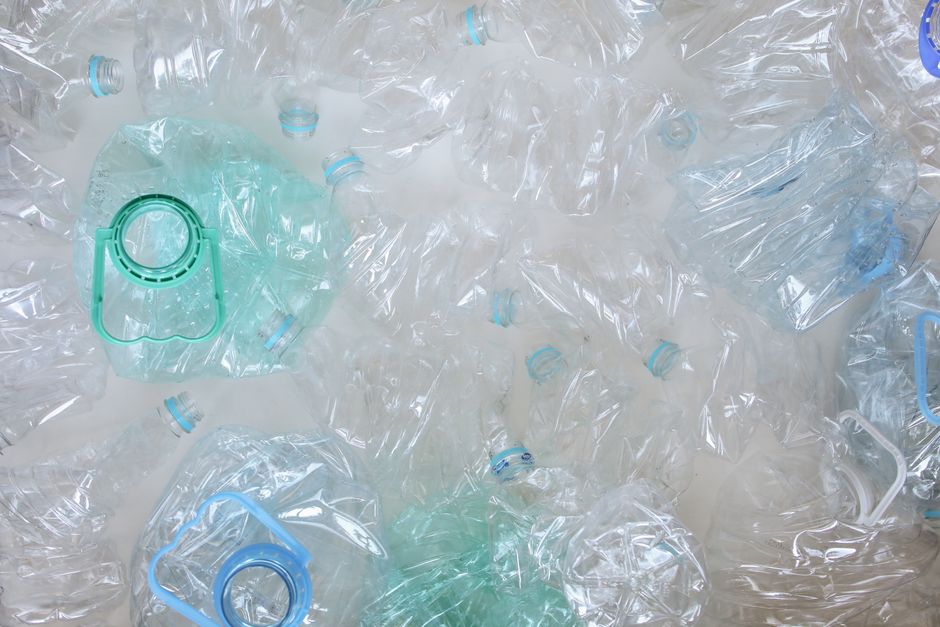
Plastic recycling companies serve as the backbone of the recycling industry, transforming plastic waste into reusable materials. These organizations collect, sort, and process various types of plastics, ensuring that valuable resources are not lost to landfills. For instance, according to the American Chemistry Council, only about 9% of plastic waste is recycled, highlighting the need for efficient recycling initiatives. By increasing recycling rates, these companies contribute significantly to reducing carbon footprints and conserving natural resources.
One of the primary functions of a plastic recycling company is to educate consumers and businesses about the importance of recycling. They often conduct outreach programs that inform the public about proper disposal methods and the benefits of recycling. By raising awareness, they encourage more people to participate in recycling programs, ultimately leading to higher collection rates of plastic waste.
The Recycling Process: From Waste to Resource
The journey of plastic recycling begins with collection. Recycling companies typically partner with municipalities and businesses to collect plastic waste. Once collected, the plastic is sorted into different categories based on type and color. This sorting process is crucial, as different plastics have varying properties and recycling methods.
After sorting, the plastic is cleaned to remove any contaminants, such as food residue or labels. This step ensures that the recycled plastic maintains its quality. Next, the cleaned plastic is shredded into small pieces, which can then be melted down and reformed into new products. For example, recycled PET (polyethylene terephthalate) is commonly used to create new bottles, clothing, and even furniture.
In 2020, it was reported that nearly 30 million tons of plastic were recycled in the United States alone. This statistic underscores the potential impact of plastic recycling companies in promoting a sustainable economy. By converting waste into new products, these companies not only reduce the demand for new plastic production but also help to minimize the environmental impact associated with plastic manufacturing.
Economic Benefits of Plastic Recycling
Plastic recycling companies also contribute significantly to the economy. They create jobs in various sectors, including collection, processing, and distribution. According to a report from the National Recycling Coalition, recycling and reuse activities in the U.S. account for over 1.1 million jobs and generate $236 billion in revenue annually.
Moreover, recycling reduces the costs associated with waste management. By diverting plastics from landfills, municipalities can save on disposal fees and reduce the need for additional landfill space. In turn, this can lead to lower taxes for residents and businesses, making recycling a financially beneficial endeavor.
Additionally, as consumers become more environmentally conscious, companies are increasingly recognizing the value of sustainability. Many businesses are now seeking partnerships with plastic recycling companies to enhance their corporate responsibility profiles. This trend not only boosts the recycling industry but also fosters innovation in sustainable product design.
Challenges Faced by Plastic Recycling Companies
Despite their crucial role, plastic recycling companies face numerous challenges. One significant issue is the contamination of recyclable materials. When non-recyclable items are mixed with plastics, it complicates the recycling process and can lead to increased costs and lower quality of recycled materials.
Additionally, fluctuating market prices for recycled plastics can impact the financial viability of recycling operations. When the market for virgin plastics is cheaper, recycling companies often struggle to compete. This economic pressure can lead to reduced collection efforts and lower investment in recycling infrastructure.
Furthermore, there is a lack of standardized regulations regarding plastic recycling across different regions. This inconsistency can create confusion for consumers and businesses, ultimately hindering recycling efforts. Advocacy for clearer policies and better enforcement is essential for the growth of the recycling industry.
The Future of Plastic Recycling Companies
The future of plastic recycling companies looks promising as technology advances and public awareness grows. Innovations in recycling technologies, such as chemical recycling, are emerging as potential game-changers. These methods can break down plastics into their original monomers, allowing for the creation of high-quality recycled materials that can compete with virgin plastics.
Moreover, as governments and organizations around the world implement stricter regulations on plastic production and waste, the demand for recycling services will likely increase. Companies that adapt to these changes and invest in sustainable practices will thrive in the evolving market.
In conclusion, plastic recycling companies are vital for addressing the challenges posed by plastic waste. Their efforts not only contribute to environmental sustainability but also provide significant economic benefits. As we move towards a more circular economy, supporting these companies will be crucial for achieving a sustainable future. For those interested in learning more about the role of these organizations in the recycling landscape, consider exploring a dedicated plastic recycling company.