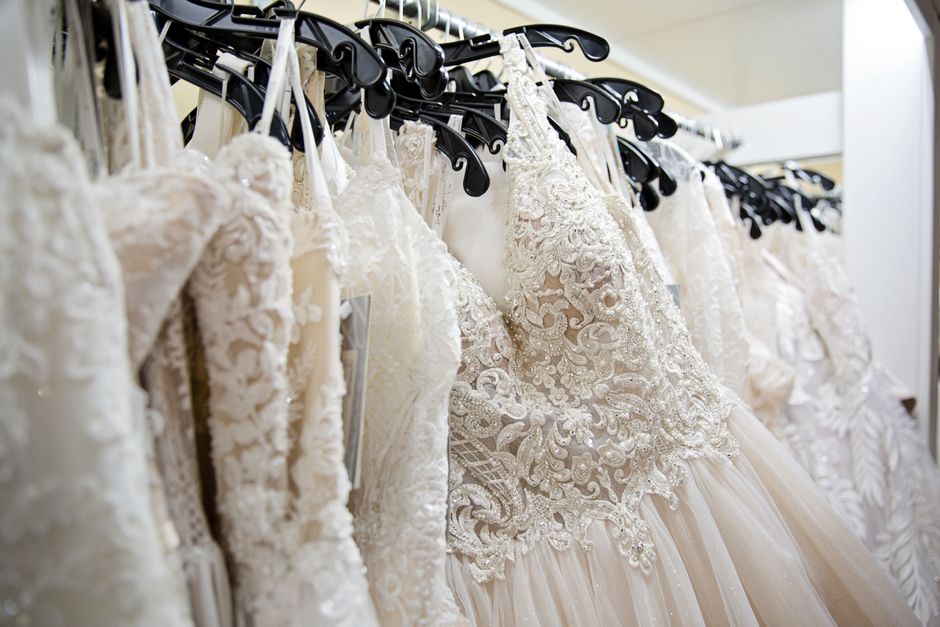
The fashion industry is witnessing a significant transformation with the rise of private label clothing. This trend offers retailers the opportunity to create their own brands without the complexities of traditional manufacturing. From unique designs to cost-effective pricing, private label clothing is reshaping how consumers shop and how businesses operate.
Understanding Private Label Clothing

Private label clothing refers to garments that are manufactured by one company but sold under another company’s brand name. This model allows retailers to offer exclusive products without investing heavily in production. Retailers like supermarkets, department stores, and even online brands have embraced this concept, resulting in a diverse range of offerings in the market.
The appeal of private label clothing lies in its ability to cater to specific consumer needs. For example, a retailer can produce clothing that targets a niche market, such as eco-friendly fabrics or plus-size options. This flexibility enables businesses to stand out in a competitive landscape while also maximizing profit margins.
The Advantages of Private Label Clothing
One of the primary benefits of private label clothing is cost savings. By cutting out middlemen and controlling the production process, retailers can offer competitive prices to consumers. This strategy not only attracts price-sensitive shoppers but also allows retailers to maintain higher profit margins compared to selling third-party brands.
Additionally, private label clothing can enhance brand loyalty. When customers find a product that they love and it is exclusive to a specific retailer, they are more likely to return for repeat purchases. This creates a loyal customer base and can lead to increased sales over time. For instance, a successful private label clothing line can drive foot traffic to a store, leading to additional purchases across other categories.
Challenges in the Private Label Clothing Market
While the advantages are significant, there are also challenges associated with private label clothing. One major hurdle is the need for effective marketing strategies. Unlike established brands, private label products often lack recognition. Retailers must invest in marketing efforts to build awareness and promote their unique offerings.
Another challenge is maintaining quality control. Retailers must ensure that the manufacturers they partner with meet their quality standards consistently. Any lapses in quality can harm the brand’s reputation and lead to customer dissatisfaction. Therefore, conducting thorough research and establishing strong relationships with manufacturers is crucial.
Success Stories in Private Label Clothing
Several brands have successfully leveraged private label clothing to boost their market presence. For example, many retailers have launched their own clothing lines that have become bestsellers. A well-known example is Target’s private label brand, A New Day, which offers trendy, affordable clothing that resonates with consumers.
Furthermore, e-commerce platforms have also jumped on the private label bandwagon. Companies like Amazon have launched their own clothing brands, providing consumers with additional options and driving competition in the market. This move has empowered consumers with more choices while allowing retailers to capitalize on the growing online shopping trend.
Future Trends in Private Label Clothing
As the fashion industry evolves, the future of private label clothing looks bright. With advancements in technology, retailers can now leverage data analytics to understand consumer preferences better. This data-driven approach enables them to create products that align closely with market demands.
Additionally, sustainability is becoming a crucial factor in consumer purchasing decisions. Retailers that prioritize eco-friendly practices in their private label clothing lines are likely to gain a competitive edge. Consumers are increasingly seeking brands that align with their values, making sustainability a vital aspect of future private label strategies.
Moreover, the growth of social media and influencer marketing provides new opportunities for private label brands to reach their target audience effectively. By collaborating with influencers, retailers can showcase their unique products and drive engagement, ultimately increasing sales.
Conclusion
In conclusion, private label clothing is revolutionizing the fashion industry by offering retailers a way to create unique products that cater to consumer demands while maintaining profitability. While challenges exist, the potential for success is immense. Retailers who navigate the complexities of this model effectively can build strong brands, foster customer loyalty, and thrive in an increasingly competitive market. As trends continue to shift towards sustainability and personalization, the private label clothing sector will undoubtedly play a pivotal role in shaping the future of fashion. For those looking to explore this exciting realm, resources and platforms like private label clothing can provide valuable insights and opportunities.