
In the competitive world of dining, the ambiance of a restaurant plays a pivotal role in attracting and retaining customers. Restaurant interior design is not merely about aesthetics; it’s about creating an inviting atmosphere that enhances the overall dining experience. From the choice of colors to the arrangement of furniture, every detail contributes to the guest’s perception and enjoyment of their meal.
The Importance of First Impressions
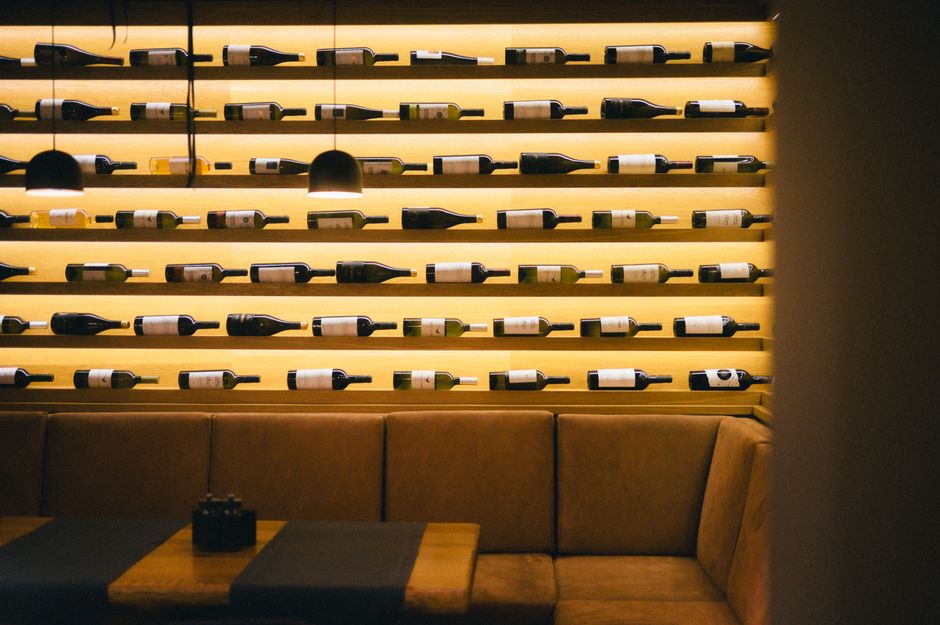
When patrons approach a restaurant, their first impression is often shaped by its exterior and interior design. Research indicates that about 60% of diners choose a restaurant based on its appearance. This statistic underscores the critical nature of restaurant interior design. A well-thought-out design can evoke emotions, set expectations, and even influence taste perception.
For example, a casual eatery might opt for vibrant colors and playful decor to evoke a sense of fun and relaxation. In contrast, a fine dining establishment may lean towards muted tones and elegant furnishings to create a sophisticated atmosphere. The design should align with the restaurant’s brand identity and the dining experience it wishes to offer.
Key Elements of Restaurant Interior Design
There are several essential elements that contribute to effective restaurant interior design. Lighting, layout, color schemes, and furniture selection are just a few factors that can dramatically affect the atmosphere.
Lighting sets the mood and can transform a space from bright and energetic to soft and intimate. For instance, pendant lights over tables can create cozy nooks, while large windows allow natural light to enhance the dining experience. Additionally, the layout must facilitate smooth traffic flow, ensuring that guests can navigate the space comfortably without feeling crowded.
Moreover, color schemes play a psychological role in influencing dining behavior. Warm colors like red and orange can stimulate appetite, while cooler tones such as blue and green are more calming. Each color can evoke different feelings, which is why understanding color psychology is crucial in the design process.
Creating Unique Dining Experiences
To stand out in a saturated market, restaurants must create unique and memorable experiences. This can be achieved through themed designs that resonate with the target audience. For example, a seafood restaurant might feature nautical decor, complete with fishing nets and marine colors, which can evoke a sense of freshness and connection to the sea.
Additionally, incorporating local culture and art into the interior design can enhance the dining experience. Utilizing local artisans for decor and furniture can create a sense of community and belonging among guests. Furthermore, open kitchen designs can engage diners, making them part of the culinary experience.
Trends in Restaurant Interior Design
The restaurant industry is ever-evolving, and staying abreast of design trends is essential for success. Recently, sustainability has become a significant trend. Many restaurants are now using reclaimed materials, eco-friendly furniture, and energy-efficient lighting to reduce their carbon footprint. This not only appeals to environmentally-conscious consumers but also adds a unique touch to the restaurant’s aesthetic.
Another emerging trend is the use of technology in interior design. Smart lighting systems, interactive menus, and augmented reality are becoming more prevalent, enhancing the dining experience in innovative ways. By integrating technology, restaurants can create a more engaging atmosphere that meets the expectations of modern diners.
Moreover, flexibility in design is gaining traction. Restaurants are adopting modular furniture that can be easily rearranged to accommodate different group sizes and dining formats, from casual brunches to formal dinners.
Conclusion: The Future of Restaurant Interior Design
As the dining landscape continues to change, restaurant interior design will remain a crucial factor in shaping customer experiences. By understanding the importance of first impressions, key design elements, and emerging trends, restaurateurs can create inviting spaces that not only attract diners but also keep them coming back.
For those looking to delve deeper into the nuances of restaurant interior design, resources and professional guidance can be invaluable. Investing in the right design can yield significant returns, making it a worthwhile focus for any restaurant owner. Ultimately, a well-designed restaurant is more than just a place to eat; it is a destination that offers a complete sensory experience.
For more insights on effective restaurant interior design, you can explore restaurant interior design strategies and ideas that can elevate your dining space.