The luxury fashion industry has undergone a significant transformation in recent years, driven by the rise of luxury brand resellers. These businesses have created a new marketplace where consumers can buy and sell high-end goods, making luxury fashion more accessible than ever. This shift in the market has not only changed the way consumers shop but has also opened new avenues for entrepreneurship within the fashion industry.
Understanding the Luxury Brand Reselling Market
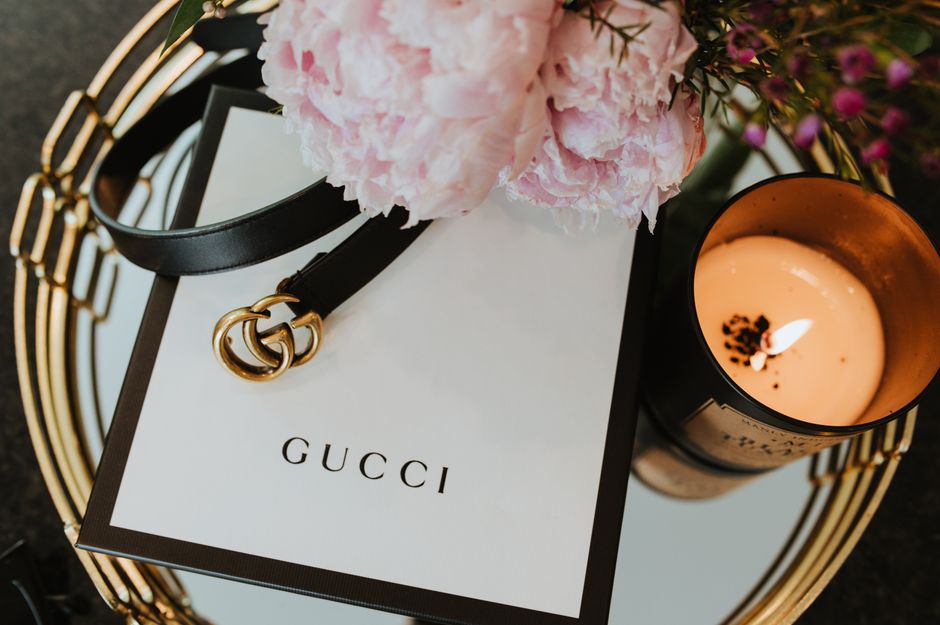
The luxury brand reselling market refers to the buying and selling of pre-owned luxury items, including handbags, clothing, and accessories. According to a report by Bain & Company, the global resale market is expected to reach $64 billion by 2024. This growth is fueled by several factors, including a shift in consumer attitudes towards sustainability and the desire for unique and rare items.
Consumers are increasingly seeking sustainable options, and purchasing pre-owned luxury items allows them to reduce their environmental impact. In addition, the thrill of finding a rare or discontinued item adds a unique appeal to the resale market. As a result, both buyers and sellers are finding value in this new marketplace.
The Role of Technology in Reselling
Technology has played a crucial role in the rise of luxury brand resellers. Online platforms such as The RealReal, Vestiaire Collective, and Poshmark have made it easier for consumers to buy and sell luxury items from the comfort of their homes. These platforms often provide authentication services, ensuring that buyers receive genuine products.
Furthermore, social media has become a powerful tool for resellers to showcase their products and connect with potential buyers. Instagram, for example, has become a popular platform for luxury resellers to reach a wider audience and build their brand. By leveraging technology, resellers can create a seamless shopping experience that appeals to modern consumers.
Challenges Faced by Luxury Brand Resellers
Despite the booming market, luxury brand resellers face several challenges. One of the most significant issues is the authenticity of products. With the rise of counterfeit goods, resellers must implement strict authentication processes to maintain their reputation and ensure customer satisfaction.
Additionally, the competition in the resale market is fierce. Many resellers are vying for the same consumer base, making it essential for them to differentiate themselves. Offering exceptional customer service, unique inventory, and engaging marketing strategies can help resellers stand out in a crowded marketplace.
Future Trends in Luxury Reselling
As the luxury brand reselling market continues to evolve, several trends are emerging. One notable trend is the increasing collaboration between luxury brands and resale platforms. Some luxury brands are now partnering with resellers to create official resale channels, allowing them to control the narrative around their products.
Moreover, the rise of the circular economy is likely to shape the future of the luxury fashion industry. Consumers are becoming more aware of the environmental impact of their purchases, and the demand for sustainable options will continue to grow. Resellers that embrace sustainability and ethical practices will likely thrive in this changing landscape.
Conclusion
The luxury brand reseller market is poised for continued growth as consumer preferences shift towards sustainability and unique shopping experiences. By leveraging technology and adapting to market trends, resellers can find success in this dynamic industry. Whether you are a buyer looking for a rare item or an aspiring entrepreneur, the luxury brand resale market offers exciting possibilities.
For those interested in exploring this market further, becoming a luxury brand reseller could be a rewarding venture.