In the fast-paced world of aviation, safety is paramount. Every aircraft that takes to the skies relies on meticulous maintenance to ensure it operates efficiently and safely. Aircraft maintenance companies play a crucial role in this process, providing essential services that keep fleets airworthy and compliant with regulations. This article explores the functions, benefits, and challenges faced by these companies, highlighting their significance in the aviation industry.
Understanding Aircraft Maintenance Services
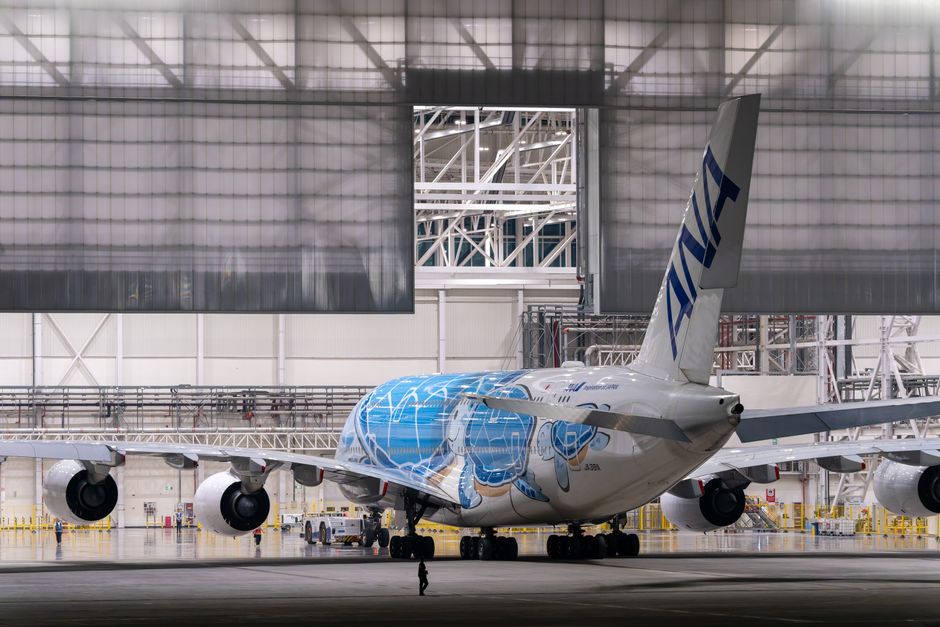
Aircraft maintenance encompasses a variety of services, including routine inspections, repairs, and overhauls. These services are critical for ensuring the longevity and reliability of aircraft. Maintenance companies offer a range of services, from scheduled maintenance checks to unscheduled repairs, often dictated by the aircraft’s operational history and regulatory requirements.
According to the International Civil Aviation Organization (ICAO), regular maintenance is a key factor in reducing the likelihood of in-flight failures. In fact, studies have shown that proper maintenance can decrease operational incidents by up to 30%. This statistic underscores the importance of engaging a qualified aircraft maintenance company to handle these intricate tasks.
Moreover, the maintenance process often involves specialized equipment and trained personnel. Aircraft maintenance companies invest heavily in training their staff to adhere to strict industry standards, ensuring that every technician is equipped to handle the complexities of modern aircraft systems.
Benefits of Professional Maintenance Services
Engaging a professional aircraft maintenance company offers several advantages. Firstly, these companies possess the expertise required to identify and rectify potential issues before they escalate into serious problems. This proactive approach not only enhances safety but also optimizes aircraft performance.
Furthermore, maintenance companies often have established relationships with parts suppliers, allowing for quicker turnaround times when repairs are needed. This efficiency is crucial, especially for airlines that operate tight schedules. The ability to minimize downtime can significantly impact an airline’s profitability and reputation.
Additionally, leveraging the services of an aircraft maintenance company can provide airlines with peace of mind. Knowing that skilled professionals are handling maintenance tasks allows airline operators to focus on their core business operations, such as customer service and route management.
Challenges Faced by Aircraft Maintenance Companies
Moreover, regulatory compliance is another challenge. The aviation industry is heavily regulated, and maintenance companies must navigate a complex landscape of local and international regulations. Staying compliant requires a dedicated focus on documentation and processes, which can be resource-intensive.
Additionally, the shortage of skilled technicians is a growing concern. As the demand for qualified personnel increases, many maintenance companies struggle to attract and retain talent. This shortage can lead to increased labor costs and potential service delays, further complicating their operations.
The Future of Aircraft Maintenance
The future of aircraft maintenance is likely to be shaped by technological advancements. Innovations such as predictive maintenance, which uses data analytics to forecast potential issues, are becoming more prevalent. This approach allows maintenance companies to perform repairs before failures occur, further enhancing safety and efficiency.
Moreover, the rise of unmanned aerial vehicles (UAVs) and electric aircraft presents new opportunities and challenges for maintenance companies. As these technologies gain traction, maintenance procedures will need to adapt accordingly, requiring companies to invest in new training and equipment.
In light of these developments, collaboration between manufacturers, maintenance providers, and regulatory bodies will be essential to ensure that the aviation industry continues to prioritize safety and efficiency. By working together, stakeholders can develop best practices and standards that will benefit the entire industry.
Conclusion
In conclusion, aircraft maintenance companies are integral to the safety and efficiency of the aviation industry. They provide essential services that not only keep aircraft operational but also enhance overall safety standards. While challenges such as technological advancements and regulatory compliance exist, the future of aircraft maintenance looks promising with the advent of innovative solutions. By prioritizing professional maintenance services, airlines can ensure that they operate safely and efficiently, ultimately benefiting passengers and the industry as a whole.