
Efficient irrigation systems are crucial in today’s world, where water scarcity and agricultural demands are on the rise. Understanding how these systems work and their benefits can lead to improved crop yields and sustainable farming practices. This article delves into the different types of irrigation systems, their advantages, and how to optimize their use in various agricultural settings.
Understanding Irrigation Systems
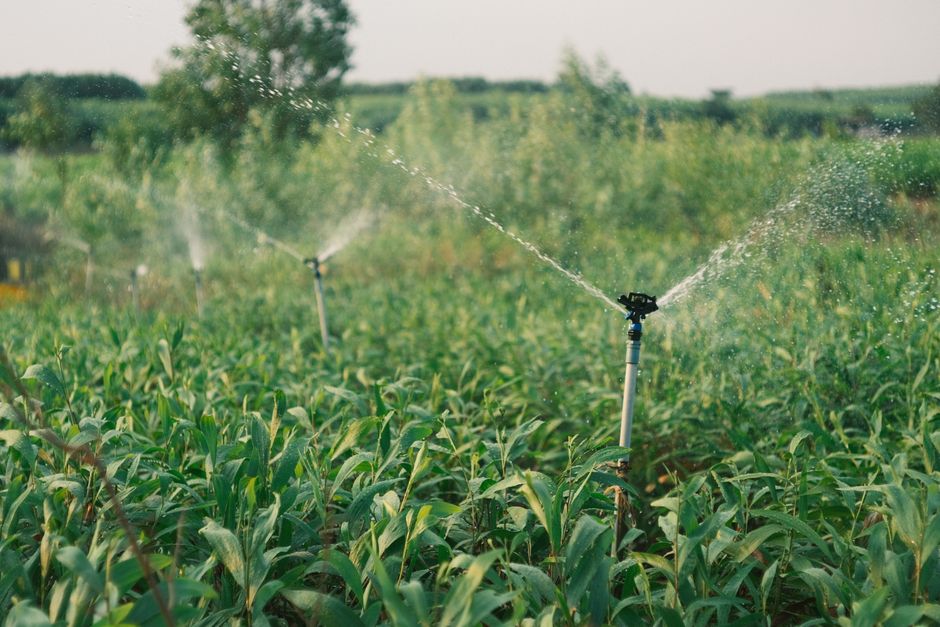
Irrigation systems refer to the methods used to supply water to crops in a controlled manner. These systems can be categorized into several types, including surface irrigation, drip irrigation, and sprinkler systems. Each type has unique characteristics and applications that make them suitable for different types of crops and terrains.
Surface irrigation involves the direct application of water to the soil surface, allowing gravity to distribute it across the field. This method is often used in large-scale farming where water supply is abundant. However, it can lead to water wastage if not managed properly.
On the other hand, drip irrigation is a more efficient method that delivers water directly to the plant roots through a network of tubes and emitters. This system minimizes evaporation and runoff, making it ideal for arid regions. According to a study, drip irrigation can reduce water usage by up to 60% compared to traditional methods.
The Benefits of Efficient Irrigation Systems
Implementing an efficient irrigation system can provide numerous benefits for farmers. Firstly, it enhances crop productivity by ensuring that plants receive the right amount of water at the right time. This is especially important during critical growth stages when water stress can severely impact yield.
Secondly, efficient irrigation systems can lead to significant cost savings. By reducing water consumption and minimizing labor costs associated with manual irrigation, farmers can allocate resources more effectively. For instance, a shift to a modern irrigation system can result in a return on investment within a few years, depending on the scale of operation.
Additionally, these systems contribute to environmental sustainability. By optimizing water use, farmers can help preserve local water resources and reduce the ecological footprint of agriculture. This is increasingly important in the face of climate change, where water scarcity is becoming a pressing issue.
Choosing the Right Irrigation System
Selecting the appropriate irrigation system depends on several factors, including crop type, soil characteristics, and climate conditions. For example, crops like tomatoes and peppers thrive with drip irrigation due to their sensitivity to water availability. Conversely, grains such as wheat may benefit from surface irrigation techniques.
Farmers should also consider the initial investment and maintenance costs associated with different systems. While drip irrigation may have a higher upfront cost, its long-term savings and efficiency can make it a worthwhile investment. Conducting a thorough cost-benefit analysis can aid in making an informed decision.
Moreover, advancements in technology have led to the development of smart irrigation systems that utilize sensors and automated controls to optimize water use. These systems can monitor soil moisture levels and weather conditions, adjusting irrigation schedules accordingly.
Best Practices for Irrigation Management
To maximize the efficiency of irrigation systems, farmers should adopt best practices in irrigation management. Firstly, regular maintenance of the irrigation infrastructure is essential to prevent leaks and blockages that can lead to water loss. Simple measures, such as cleaning filters and checking for pipe damages, can significantly enhance system performance.
Secondly, implementing scheduling strategies based on weather forecasts and soil moisture readings can prevent over-irrigation. Utilizing tools such as soil moisture sensors can provide real-time data, enabling farmers to make informed decisions about when and how much to irrigate.
Finally, training and educating farm workers on the operation and maintenance of irrigation systems can lead to better practices and outcomes. Continuous learning and adaptation are crucial as technologies and methods evolve.
Conclusion
In conclusion, mastering the art of efficient irrigation systems is vital for modern agriculture. By understanding the different types of systems, their benefits, and best management practices, farmers can enhance productivity, reduce costs, and contribute to environmental sustainability. As water scarcity continues to challenge agricultural practices, investing in efficient irrigation solutions will be essential for the future of farming.