
Barbecue is more than just a cooking method; it is a cultural phenomenon that brings people together, ignites passion, and transforms ordinary gatherings into extraordinary feasts. Whether you are a novice griller or a seasoned pitmaster, the world of barbecue offers endless possibilities for culinary exploration. This article will delve into the various aspects of barbecue, from its historical roots to modern techniques, and provide you with practical tips to elevate your grilling game.
History and Evolution of Barbecue
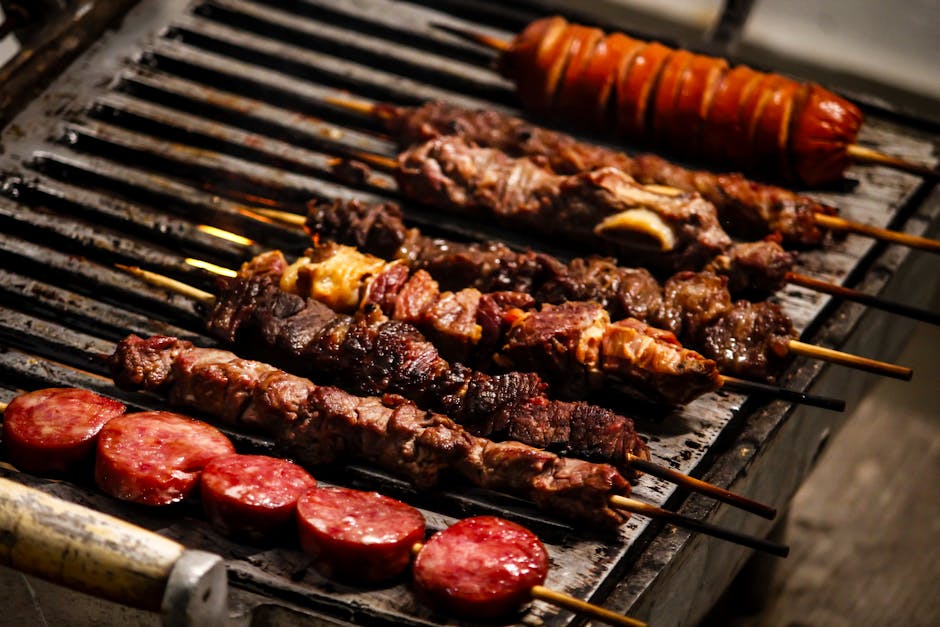
The origins of barbecue can be traced back to the indigenous peoples of the Americas, who utilized smoke and indirect heat to cook meat. The term “barbecue” itself is derived from the Taino word “barbacoa,” which refers to a wooden frame used for cooking. Over the centuries, this cooking method has evolved significantly.
In the southern United States, barbecue took on a unique character, influenced by African, Native American, and European traditions. Each region developed its own style, from Texas brisket to Carolina pulled pork. Today, barbecue is celebrated worldwide, with each culture adding its own flair to the practice.
Understanding Barbecue Techniques
Barbecue encompasses a variety of cooking techniques, each with its own nuances. The primary methods include grilling, smoking, and roasting. Grilling is typically done over direct heat, resulting in quick cooking times and a charred exterior. Smoking, on the other hand, involves cooking meat slowly over indirect heat with the addition of wood chips, which infuse flavor and tenderness.
It’s essential to understand the temperature ranges for different types of barbecue. For instance, low and slow cooking (225°F to 275°F) is ideal for tougher cuts of meat, while grilling temperatures (350°F to 450°F) are perfect for steaks and burgers. Mastering these techniques can significantly impact the taste and texture of your barbecue.
Choosing the Right Equipment
The right equipment can make or break your barbecue experience. There are various types of grills and smokers available, from traditional charcoal grills to high-tech pellet smokers. Each type has its pros and cons, depending on your cooking style and preferences.
For those who enjoy the authentic smoky flavor, a wood or charcoal smoker is an excellent choice. These devices allow for precise temperature control and the ability to add different types of wood for unique flavor profiles. If convenience is a priority, a gas grill or electric smoker may be more suitable.
Don’t forget essential accessories like thermometers, grill brushes, and spatulas, which can enhance your cooking efficiency and safety. For instance, a digital meat thermometer is crucial to ensure that your meat reaches the desired internal temperature, preventing overcooking or undercooking.
Marinades, Rubs, and Sauces
No barbecue is complete without the right seasonings. Marinades, dry rubs, and sauces play a significant role in flavoring your meat. Marinades are typically liquid mixtures that infuse flavor while tenderizing the meat. Common ingredients include vinegar, citrus juice, and various spices.
Dry rubs consist of a blend of spices and herbs that create a flavorful crust when grilled or smoked. Popular ingredients include paprika, garlic powder, and brown sugar. Applying a rub several hours or even overnight before cooking allows the flavors to penetrate the meat more deeply.
Finally, barbecue sauces vary considerably by region. From the thick, sweet sauces of Kansas City to the tangy vinegar-based sauces of the Carolinas, experimenting with different styles can elevate your barbecue to new heights. A great way to enhance your experience is to pair your dish with a complementary sauce, creating a delightful balance of flavors.
Mastering the Perfect Barbecue
Achieving the perfect barbecue requires patience and practice. One of the most critical aspects is learning how to manage your fire and smoke. For instance, maintaining a consistent temperature is essential for even cooking. This often involves monitoring the heat source and adjusting airflow to control the temperature inside the grill or smoker.
Timing is another crucial factor. Each type of meat has its own cooking time and ideal internal temperature. For example, brisket may take anywhere from 10 to 14 hours to cook properly, while chicken may only require 1 to 2 hours. Understanding these differences will help you plan your barbecue sessions more effectively.
Lastly, don’t forget to let your meat rest after cooking. Resting allows the juices to redistribute throughout the meat, resulting in a more tender and flavorful bite. A 15 to 30-minute resting period can make a significant difference in the final product.
Conclusion
Barbecue is a delicious and rewarding culinary art that offers something for everyone. Whether you’re hosting a backyard gathering or participating in a competitive barbecue event, the secrets to great barbecue lie in understanding the history, techniques, and flavors involved. By mastering the basics and experimenting with different methods, you can elevate your barbecue experiences to new heights. And remember, the essence of barbecue is not just about the food; it’s about the community and memories created around the grill, which is what makes it truly special.
For those interested in exploring more about community-based cooking and collaboration, engaging with groups like Zeus can provide invaluable insights and resources.