Septic tanks are a critical component of many residential waste management systems, especially in rural areas where municipal sewage systems are not available. Proper cleaning and maintenance of these tanks are vital to ensure their efficiency and longevity. Neglecting septic tank cleaning can lead to severe consequences, including costly repairs and environmental hazards. In this article, we will explore the importance of septic tank cleaning, the process involved, and tips for maintaining your septic system effectively.
The Importance of Regular Septic Tank Cleaning
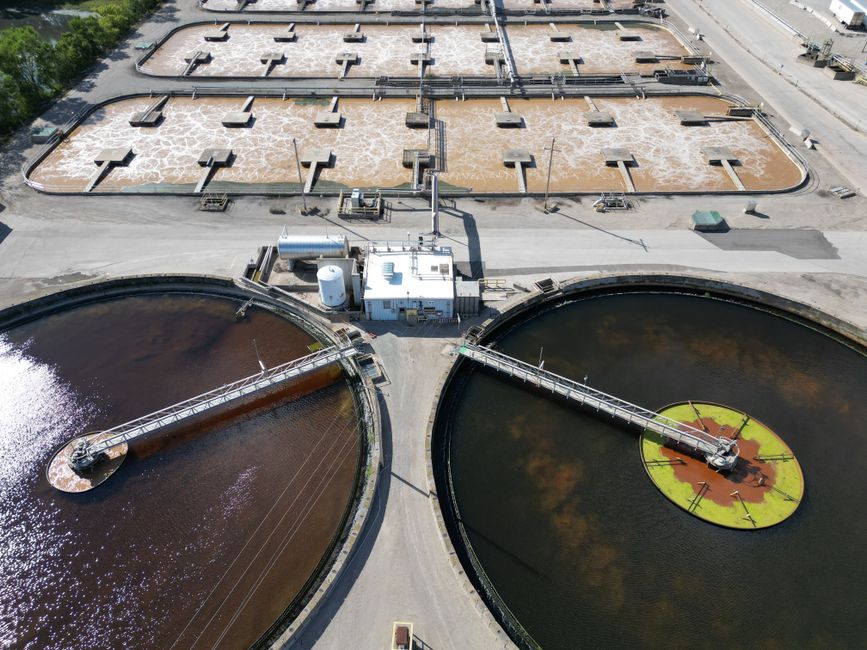
Regular septic tank cleaning is essential for several reasons. Firstly, it helps maintain the system’s effectiveness in treating wastewater. Over time, solid waste accumulates in the tank, which can lead to blockages and reduced performance. According to the Environmental Protection Agency (EPA), neglecting septic maintenance can result in system failure, which may cost homeowners thousands of dollars in repairs.
Moreover, a well-maintained septic system protects public health and the environment. When septic tanks overflow or leak, untreated sewage can contaminate groundwater and surface water, posing health risks to the community. Regular cleaning mitigates these risks and ensures compliance with local health regulations.
The Septic Tank Cleaning Process
The septic tank cleaning process typically involves pumping out the accumulated sludge and scum from the tank. This is usually done by a professional septic service provider who uses specialized equipment to safely remove waste. The frequency of cleaning depends on various factors, including the size of the tank, the number of occupants in the household, and the amount of water used.
On average, septic tanks should be cleaned every three to five years. However, homes with larger families or higher water usage may require more frequent cleaning. Additionally, homeowners should keep an eye on their system for signs of trouble, such as slow drains or foul odors, which may indicate the need for immediate cleaning.
Tips for Maintaining Your Septic System
Proper maintenance is crucial to prolong the life of your septic system. Here are some practical tips:
1. Know Your System: Understand the specifics of your septic system, including its size, location, and how it operates. This knowledge will help you monitor its performance effectively.
2. Be Mindful of Water Usage: Excessive water usage can overwhelm the septic system. Implementing water-saving measures, such as fixing leaks and using water-efficient appliances, can significantly reduce the load on your tank.
3. Dispose of Waste Properly: Avoid flushing non-biodegradable items, such as wipes, feminine hygiene products, and chemicals, down the toilet. These can cause blockages and disrupt the natural processes within the tank.
4. Schedule Regular Inspections: In addition to cleaning, regular inspections by a professional can help identify potential problems before they escalate. Inspections can also provide insights into the overall health of your septic system.
Incorporating these maintenance practices can significantly reduce the risk of system failure and extend the lifespan of your septic tank.
Signs Your Septic Tank Needs Cleaning
Being aware of the signs that your septic tank needs cleaning can save you from costly repairs. Common indicators include:
1. Slow Drains: If you notice that water drains slowly in your sinks, showers, or toilets, it may be a sign that your septic tank is full and needs to be pumped.
2. Foul Odors: Unpleasant smells around your yard or near your septic tank can indicate a problem. This could be due to an overflow or leak, which requires immediate attention.
3. Lush Green Grass: An unusually green patch of grass above your septic tank may indicate a leak, as excess nutrients from the sewage can promote grass growth.
4. Gurgling Sounds: If you hear gurgling noises from your plumbing, it may suggest that air is trapped in the pipes due to a blockage in the septic system.
If you experience any of these signs, it is crucial to contact a professional for an inspection and cleaning to prevent further damage.
Conclusion
Septic tank cleaning is an essential aspect of home maintenance that should not be overlooked. Regular cleaning and proper maintenance can save homeowners significant costs in repairs and protect public health and the environment. By understanding the importance of septic maintenance, the cleaning process, and how to effectively care for your system, you can ensure that your septic tank operates efficiently for years to come. For more information on scheduled maintenance, consider reaching out to a professional service provider who can assist you with your septic needs. For comprehensive septic maintenance, rely on experts who can guide you through the steps necessary to keep your system in top shape.