Perfume has been an integral part of human culture for centuries, serving not only as a means of personal scent but also as an expression of identity, emotion, and artistry. From ancient civilizations to modern-day luxury brands, the journey of fragrance creation is a fascinating blend of history, chemistry, and creativity. In this article, we delve into the intricate world of perfume, exploring its components, the processes involved in crafting it, and the personal significance it holds for individuals.
The History of Perfume
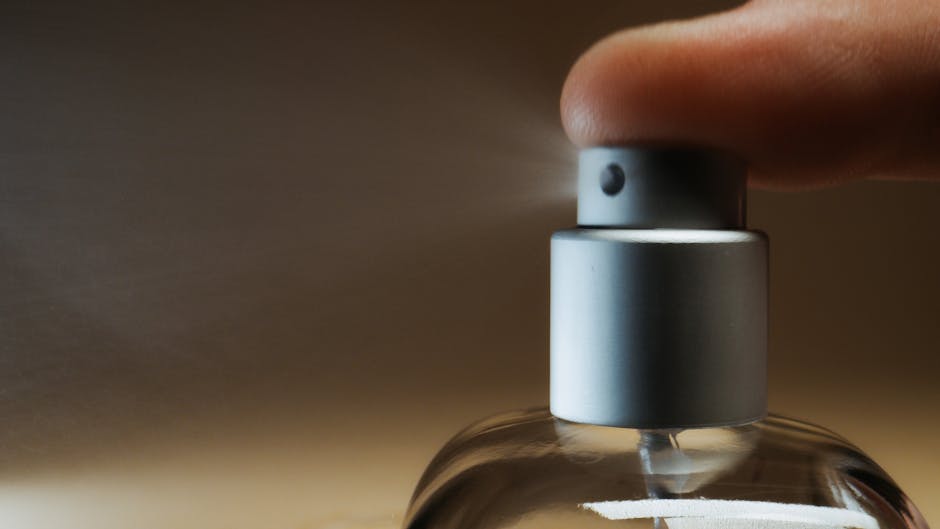
The origins of perfume can be traced back to ancient Egypt, where scents were believed to be offerings to the gods. Egyptians used various natural ingredients, such as flowers, spices, and resins, to create delightful fragrances. These early perfumes were often associated with religious rituals and were considered sacred. As trade routes expanded, the art of perfumery spread to other cultures, including the Greeks and Romans, who further developed the craft.
By the Middle Ages, perfume had become popular in Europe, largely due to the influence of the Islamic world, where advanced distillation methods were developed. The Renaissance marked a turning point for perfume, as it became a symbol of wealth and status among the European aristocracy. Perfume houses began to emerge, creating signature scents for royalty and nobility.
Understanding Fragrance Composition
At the heart of every perfume lies a complex composition of various aromatic compounds. These compounds are categorized into three main notes: top, middle, and base notes. Top notes are the initial scents that are perceived upon application, typically light and fresh, such as citrus or herbal notes. Middle notes, or heart notes, emerge once the top notes fade, providing the main character of the fragrance. Finally, base notes are the long-lasting scents that anchor the perfume, often derived from heavier ingredients like woods, musks, and resins.
The balance and harmony between these notes are crucial in creating a well-rounded fragrance. Perfumers, often referred to as ‘noses,’ use their expertise to blend these notes in precise proportions, considering factors such as volatility and evaporation rates. Some renowned perfumeries, like Maison Francis Kurkdjian (MFK), are celebrated for their unique and innovative approaches to fragrance creation.
The Process of Perfume Creation
The journey from concept to finished fragrance is a meticulous process that involves several stages. Initially, a perfumer conceptualizes the scent, often drawing inspiration from various sources such as nature, emotions, or experiences. This phase may involve sketching ideas or creating mood boards.
Once a concept is established, the perfumer selects raw materials, which can include essential oils, aroma chemicals, and natural extracts. These ingredients are carefully measured and blended, often requiring numerous iterations before arriving at the final formulation. This trial-and-error stage is essential for achieving the desired scent profile and balance.
After finalizing the formula, the perfume undergoes a maceration process, where it is allowed to mature over time. This aging process enhances the fragrance’s complexity and depth. Finally, the scent is diluted with alcohol to the desired concentration, and the perfume is bottled for distribution.
The Role of Perfume in Personal Identity
Perfume is not merely a cosmetic product; it plays a significant role in shaping personal identity and expression. Many people choose fragrances that resonate with their personality, mood, or occasion. A signature scent can evoke memories, reinforce self-image, and even influence others’ perceptions.
Moreover, the psychology of scent is profound. Research has shown that certain fragrances can elicit emotional responses, trigger memories, or enhance mood. For instance, floral scents are often associated with femininity and romance, while woody or spicy fragrances may convey strength and confidence.
In today’s world, where individuality is celebrated, many consumers seek bespoke or niche perfumes that reflect their unique style. This trend has led to a resurgence in artisanal perfumeries that offer customized scents, allowing individuals to create their own olfactory identity.
The Future of Perfume
The perfume industry is constantly evolving, with new trends and technologies shaping its future. Sustainability has become a significant focus, as consumers increasingly demand eco-friendly practices in fragrance production. Many brands are now exploring natural ingredients and sustainable sourcing methods to minimize their environmental impact.
Additionally, advancements in technology are revolutionizing the way fragrances are created and marketed. Virtual reality and artificial intelligence are being utilized to enhance the consumer experience, from personalized scent recommendations to immersive shopping environments.
As the industry adapts to changing consumer preferences, the essence of perfume—its ability to evoke emotion and tell a story—remains timeless. The art of perfumery continues to thrive, bridging the gap between tradition and innovation.
Conclusion
Perfume is a captivating blend of art and science, weaving together history, chemistry, and personal identity. Understanding its intricacies not only enhances our appreciation for this olfactory art form but also allows us to connect with scents on a deeper level. Whether it’s a classic fragrance or a contemporary blend, each perfume tells a unique story, inviting us to explore the world of scent and its profound impact on our lives.