Perfume has been an integral part of human civilization for centuries, transcending cultures and eras. From ancient Egypt to modern-day Paris, fragrances have not only played a role in personal grooming but have also been significant in rituals, social interactions, and even commerce. This article delves into the fascinating world of perfumes, exploring their history, composition, and the emotional connections they foster.
The History of Perfume
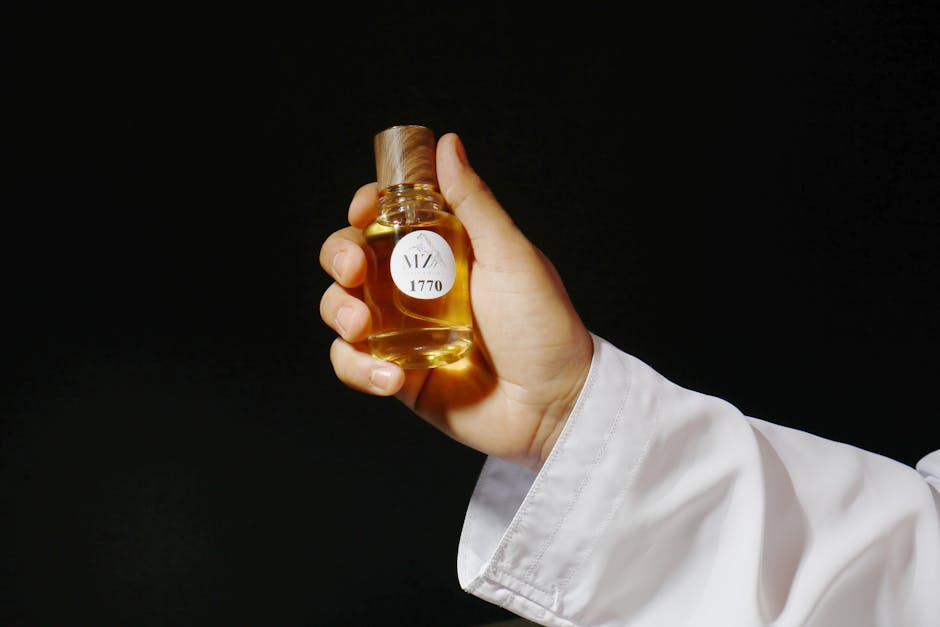
The origins of perfume can be traced back to ancient civilizations where fragrances were used in religious ceremonies and as offerings to the gods. The Egyptians, for instance, utilized fragrant oils and resins in their rituals, believing that scents could connect them to the divine. Archaeological evidence suggests that the first known perfume was created in Mesopotamia around 2000 BC.
As trade routes expanded, the knowledge of scent-making spread across the globe. The Greeks and Romans embraced perfumes, often using them in baths and as personal adornments. By the Middle Ages, the art of perfumery had flourished in Europe, particularly in France, which would later become the epicenter of the fragrance industry.
Today, the perfume industry is a multi-billion dollar market, with brands and designers competing to create signature scents that resonate with consumers. The evolution of perfume reflects not only changes in taste but also advancements in technology and a deeper understanding of the psychology of scent.
The Composition of Perfume
Perfumes are complex mixtures of aromatic compounds, essential oils, and solvents. The art of blending these elements creates a unique fragrance that can evoke various emotions and memories. Typically, a perfume is composed of three layers: the top notes, middle notes, and base notes.
Top notes are the initial scents perceived upon application, often light and volatile, such as citrus or herbal aromas. They create the first impression and evaporate quickly. Middle notes, or heart notes, emerge after the top notes fade and form the main body of the fragrance, usually consisting of floral or fruity scents. Finally, base notes provide depth and longevity to the fragrance, with heavier elements like amber or musk.
The balance of these notes is crucial for creating a harmonious scent. Perfumers, often referred to as “noses,” spend years honing their skills to master the intricate art of fragrance creation. Some renowned perfumers, like those at Maison Francis Kurkdjian (MFK), are celebrated for their innovative blends that push the boundaries of traditional perfumery.
The Emotional Connection to Scents
Fragrance is not merely a sensory experience; it is deeply tied to our emotions and memories. The olfactory system is closely linked to the limbic system, the part of the brain responsible for emotions and memory. This connection explains why certain scents can trigger vivid recollections of past experiences or evoke strong feelings.
For instance, the smell of freshly baked cookies may remind someone of their childhood kitchen, while a specific perfume may bring back memories of a loved one. This powerful link between scent and emotion is why many individuals choose fragrances that resonate with their personality or mood.
Furthermore, the rise of aromatherapy has highlighted the therapeutic potential of scents. Essential oils are used to promote relaxation, reduce stress, and enhance overall well-being. The growing interest in natural and organic perfumes reflects a shift towards more holistic approaches to fragrance.
Choosing the Right Perfume
With countless options available, selecting the perfect perfume can be daunting. It is essential to consider personal preferences, body chemistry, and the intended use of the fragrance. Testing perfumes on the skin rather than on paper is advisable, as the scent may change due to individual skin chemistry.
Additionally, understanding the different fragrance families—floral, oriental, woody, and fresh—can help narrow down choices. A floral fragrance might be ideal for daytime wear, while a deeper oriental scent could be more suitable for evening occasions.
Moreover, the packaging and branding of a perfume can also influence consumer choices. Many people are drawn to luxurious packaging and the allure of a well-known brand, associating these elements with quality and prestige.
Conclusion
Perfume is a captivating blend of art and science that has evolved through history. It serves not only as a means of personal expression but also as a powerful tool for emotional connection. As the fragrance industry continues to grow and innovate, understanding the nuances of perfumes can enhance our appreciation for this timeless art form. Whether you are a seasoned fragrance enthusiast or a casual wearer, exploring the world of perfumes offers a unique journey filled with memories, emotions, and endless possibilities.