
Handmade pizza is not just a meal; it is a labor of love that combines tradition, fresh ingredients, and culinary skill. Whether you are a seasoned chef or a novice in the kitchen, creating your own pizza from scratch can be an immensely rewarding experience. In this article, we will explore the various aspects of making handmade pizza, from choosing the right ingredients to perfecting your technique.
The History of Pizza
Pizza has a rich history that dates back to ancient civilizations. The modern pizza we know today originated in Naples, Italy, in the 18th century. Originally a simple dish for the poorer classes, it has evolved into a global phenomenon. The classic Margherita pizza, topped with fresh tomatoes, mozzarella, and basil, was named after Queen Margherita of Savoy in the late 1800s. This royal endorsement helped to elevate pizza’s status from street food to a cherished culinary delight.
Today, pizza comes in various styles and flavors, influenced by regional ingredients and cultural preferences. From New York’s thin crust to Chicago’s deep-dish, the diversity of pizza reflects the creativity of chefs around the world. Handmade pizza allows you to pay homage to this rich history while adding your personal touch.
Choosing the Right Ingredients
The foundation of any great handmade pizza is the quality of its ingredients. Start with the dough, which is typically made from flour, water, yeast, and salt. Using high-protein flour, such as bread flour, can give your dough a chewier texture. Allow the dough to rise slowly for at least 24 hours to develop flavor and elasticity.
Next, consider your sauce. While store-bought sauces can be convenient, a homemade tomato sauce made from fresh, ripe tomatoes will elevate your pizza to the next level. Adding herbs like oregano and basil enhances the flavor profile. For cheese, opt for fresh mozzarella for its creamy texture and meltability. Don’t forget to experiment with additional toppings, such as fresh vegetables, cured meats, or unique cheeses.
The Art of Dough Stretching
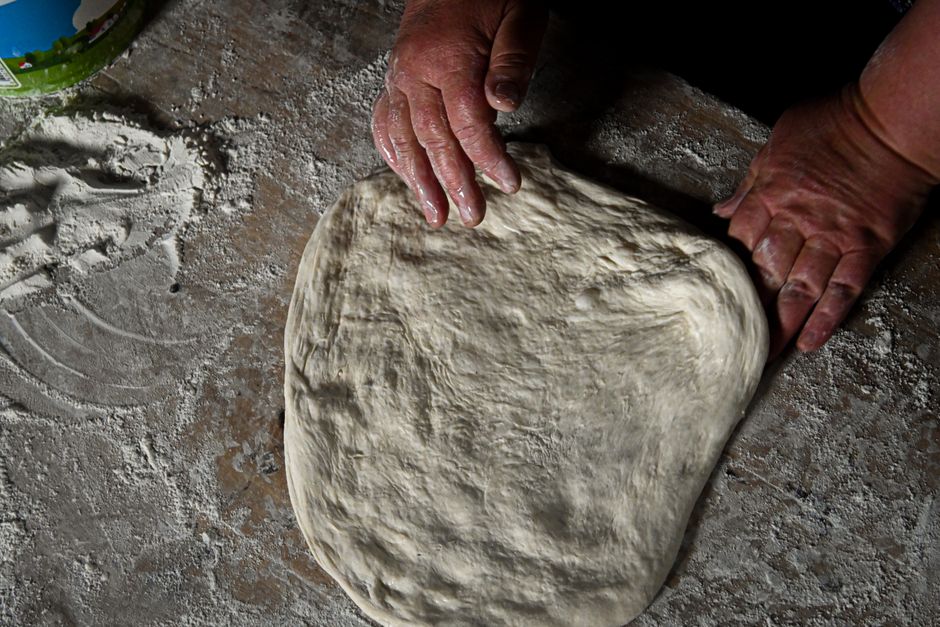
Once your dough has risen, the next step is to shape it. This is where many novice pizza makers struggle. Instead of using a rolling pin, which can deflate the dough, try stretching it by hand. Start by pressing the dough into a flat disk and gently stretch it from the center outwards, allowing gravity to aid in the process. This technique keeps air bubbles intact, resulting in a light and airy crust.
Practice is key here. Don’t be discouraged if your first few attempts don’t turn out perfectly. Each batch of dough behaves differently based on the flour, hydration, and temperature, so be patient and give yourself time to learn.
Baking Your Handmade Pizza
For the best results, baking your pizza at a high temperature is essential. A traditional pizza oven reaches temperatures of around 800°F (425°C), but most home ovens can only go up to 500°F (260°C). To mimic that environment, preheat your oven with a pizza stone or steel inside. This helps achieve a crispy crust by retaining heat.
When it comes to baking, timing is crucial. Keep an eye on your pizza as it cooks; it usually takes about 10-15 minutes. The crust should be golden brown, and the cheese should be bubbling and slightly browned. If you find your cheese is browning too quickly, you can cover the pizza loosely with aluminum foil to prevent burning.
Enjoying Your Creation
Once your handmade pizza is ready, the final step is to enjoy it. Slice it up and serve it hot, perhaps with a sprinkle of fresh basil or a drizzle of olive oil. Handmade pizza is not only a meal but also a social experience. Share it with family and friends, and make it a part of your gatherings.
It’s also worth noting that the experience of making and sharing pizza can strengthen bonds and create lasting memories. Whether you are hosting a pizza night or simply indulging in a weekday treat, the joy of handmade pizza is unparalleled.
For those who are looking to elevate their pizza experience, exploring online resources can be beneficial. Consider checking out gourmet pizza places like LUXURY 777 for inspiration or new recipes.
Conclusion
Making handmade pizza is an art that combines history, technique, and personal flair. By understanding the essential components of pizza making, from the dough to the toppings, you can create a culinary masterpiece that reflects your tastes and creativity. Embrace the process, learn from your mistakes, and most importantly, enjoy the delicious results. Whether you’re a pizza aficionado or a curious beginner, the journey of making handmade pizza is sure to be a delightful adventure.