
Cardiopulmonary Resuscitation (CPR) is a critical life-saving technique that can be the difference between life and death in emergency situations. Whether it’s a cardiac arrest or a near-drowning incident, knowing how to perform CPR can significantly increase the chances of survival for the affected individual. This article delves into the essentials of CPR, its importance, and how to effectively perform it.
What is CPR?
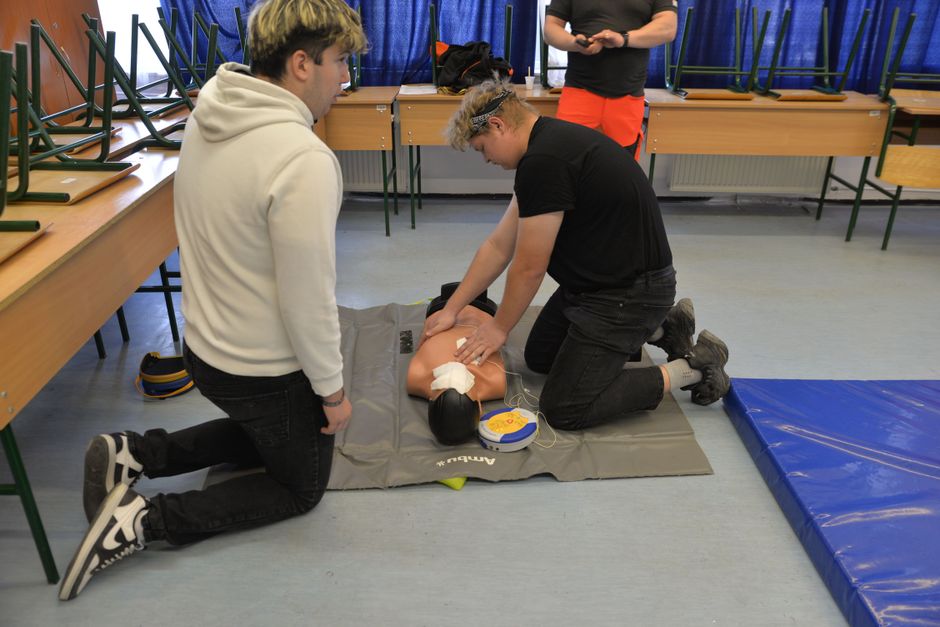
CPR, or Cardiopulmonary Resuscitation, is an emergency procedure used to restore blood circulation and breathing in a person who has stopped breathing or whose heart has stopped beating. The technique combines chest compressions and rescue breaths to maintain vital blood flow to the brain and other organs until professional medical help arrives. According to the American Heart Association, effective CPR can double or even triple the chances of survival after cardiac arrest.
The procedure is crucial because, during a cardiac arrest, the heart is unable to pump blood to the brain and other vital organs. Without immediate intervention, brain damage can occur within minutes due to lack of oxygen. Thus, CPR is an essential skill that can be learned by anyone, regardless of their medical background.
Why Learn CPR?
Learning CPR is important for several reasons. Firstly, it empowers individuals to act in emergencies, potentially saving lives. Many people witness a medical emergency but hesitate to act due to a lack of knowledge or confidence. By learning CPR, you can be prepared and ready to assist in critical situations.
Moreover, statistics show that about 70% of cardiac arrests occur at home or in public places. This means that laypersons, including family members or bystanders, are often the first responders. The ability to perform CPR can dramatically improve survival rates in these scenarios.
How to Perform CPR
Performing CPR involves a series of steps that can be easily learned through training courses. Here’s a basic overview of the CPR process: 1) Check the scene for safety, 2) Assess the victim’s responsiveness, 3) Call for emergency help, and 4) Begin chest compressions.
For adults, chest compressions should be at a depth of at least 2 inches and at a rate of 100 to 120 compressions per minute. If trained, you can also provide rescue breaths at a ratio of 30 compressions to 2 breaths. For infants and children, the technique and depth of compressions differ slightly, so it’s essential to adjust your approach accordingly.
To gain hands-on experience and confidence, consider enrolling in a CPR course. Many organizations offer training sessions, like the HLR kurs Stockholm, which can provide valuable instruction and practice.
Common Myths about CPR
Despite its importance, there are many misconceptions about CPR that can prevent people from learning or performing it. One common myth is that CPR is only needed for adults. In reality, infants and children can also experience cardiac arrest, and knowing how to perform CPR on them is equally important.
Another myth is that performing CPR can cause harm. While improper CPR can indeed cause injuries, the risk of not performing CPR in a life-threatening situation far outweighs potential harm. It’s crucial to remember that any attempt at CPR is better than doing nothing at all.
Conclusion
In conclusion, CPR is a vital skill that everyone should learn. It is a straightforward technique that can be easily mastered with proper training and practice. By understanding the steps of CPR and overcoming common myths, you can be prepared to save a life in an emergency. Whether at home, at work, or in public spaces, your knowledge and ability to perform CPR could make all the difference. Don’t wait for a crisis to learn this essential skill; take a course today and be ready to act when it matters most.