
In recent years, hair transplants have gained significant popularity as a solution for hair loss, providing individuals with a chance to regain their confidence and youthful appearance. With advancements in technology and techniques, more people are considering this option, making it crucial to understand the process, benefits, and potential risks involved. This article delves into the various aspects of hair transplants, from the types of procedures available to the aftercare required, ensuring you make an informed decision.
Understanding Hair Loss
Before diving into hair transplant procedures, it is essential to understand the underlying causes of hair loss. Hair loss can occur due to various factors, including genetics, hormonal changes, medical conditions, and lifestyle choices. According to the American Hair Loss Association, approximately 65% of men experience some degree of hair loss by the age of 35, and this percentage increases with age.
Common types of hair loss include androgenetic alopecia, which is often hereditary, and alopecia areata, an autoimmune condition that causes sudden hair loss. Understanding your specific type of hair loss can help determine whether a hair transplant is the right option for you and what technique might be most suitable.
Types of Hair Transplant Techniques
There are primarily two techniques used in hair transplant procedures: Follicular Unit Transplantation (FUT) and Follicular Unit Extraction (FUE). Each method has its benefits and drawbacks, making it important to weigh your options carefully.
FUT involves removing a strip of skin from the back of the scalp, which is then dissected into individual follicular units for transplantation. This method often results in a linear scar but can yield a higher number of grafts in a single session.
On the other hand, FUE is a minimally invasive technique where individual hair follicles are extracted directly from the scalp and transplanted to the balding areas. This method leaves tiny, dot-like scars but usually requires a longer overall time to harvest a sufficient number of grafts.
The Hair Transplant Procedure
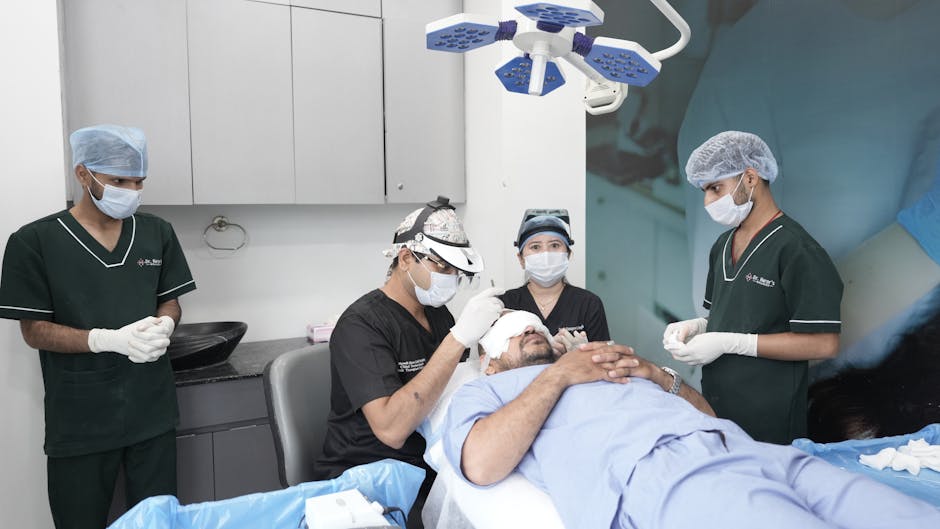
The hair transplant procedure typically begins with a consultation where the surgeon assesses your hair loss pattern and discusses your expectations. Once you decide on a technique, the actual procedure can take several hours, depending on the number of grafts needed.
During the procedure, local anesthesia is administered to ensure comfort. For FUT, the strip of skin is removed, while for FUE, individual follicles are harvested. After extraction, the follicles are prepared for implantation, and the surgeon creates tiny incisions in the recipient area before placing the grafts. The entire process can be quite intricate, and the skill of the surgeon plays a significant role in the final results.
Aftercare and Recovery
Post-operative care is crucial for the success of your hair transplant. After the procedure, patients are typically advised to avoid strenuous activities and sun exposure for a few weeks. It’s also important to follow your surgeon’s instructions regarding washing your hair and using prescribed medications.
Most patients can return to their normal activities within a few days, but full recovery may take several months as the transplanted hair goes through a shedding phase before new growth begins. Patience is key, as the final results can take up to a year to fully manifest.
Cost Considerations
The cost of a hair transplant can vary widely based on the technique used, the number of grafts required, and the clinic’s location. On average, patients can expect to pay anywhere from $4,000 to $15,000 for a hair transplant in the United States. Many people are now considering options such as hair transplant turkey, where costs may be significantly lower while still maintaining high standards of care.
When considering a hair transplant, it’s vital to balance cost with quality. Researching clinics, reading reviews, and consulting with multiple surgeons can help you find the best option that meets your needs and budget.
Conclusion
Hair transplants offer a viable solution for those struggling with hair loss. By understanding the causes of hair loss, the available techniques, the procedure itself, aftercare, and cost considerations, individuals can make informed decisions about their hair restoration journey. Whether opting for a local clinic or exploring international options like Turkey, the key is to prioritize quality care and realistic expectations for the best possible outcomes.