Hair loss is a common issue that affects millions of people worldwide. For many, it can lead to a decrease in self-esteem and confidence. Fortunately, advancements in medical technology have made hair transplant procedures more accessible and effective than ever before. In this article, we will explore the various aspects of hair transplants, including the different techniques available, what to expect during the procedure, and the recovery process.
Understanding Hair Loss
Before diving into the specifics of hair transplants, it is essential to understand the causes of hair loss. Hair loss can occur due to various factors, including genetics, hormonal changes, medical conditions, and environmental factors. According to the American Academy of Dermatology, approximately 80 million men and women in the United States experience hair loss. Understanding the root cause of hair loss is crucial for determining the most effective treatment options.
Genetic predisposition, commonly referred to as male or female pattern baldness, is one of the most prevalent causes of hair loss. This condition is often hereditary and can start as early as the teenage years. Other factors, such as stress and certain medications, can also contribute to temporary hair loss. Identifying the cause can help individuals seek appropriate treatments.
Types of Hair Transplant Techniques
There are primarily two hair transplant techniques: Follicular Unit Transplantation (FUT) and Follicular Unit Extraction (FUE). Each method has its advantages and disadvantages, making it essential for individuals to consult with a qualified specialist to determine the best option for their needs.
FUT involves removing a strip of scalp from the donor area, which is then divided into smaller grafts for transplantation. This method is often preferred for its ability to harvest a larger number of grafts in one session. However, it can leave a linear scar on the scalp.
Conversely, FUE is a minimally invasive technique where individual hair follicles are extracted directly from the donor area. This method results in less scarring and quicker recovery times, making it an appealing choice for many patients. However, it may take longer to perform and is typically more expensive than FUT.
The Hair Transplant Procedure
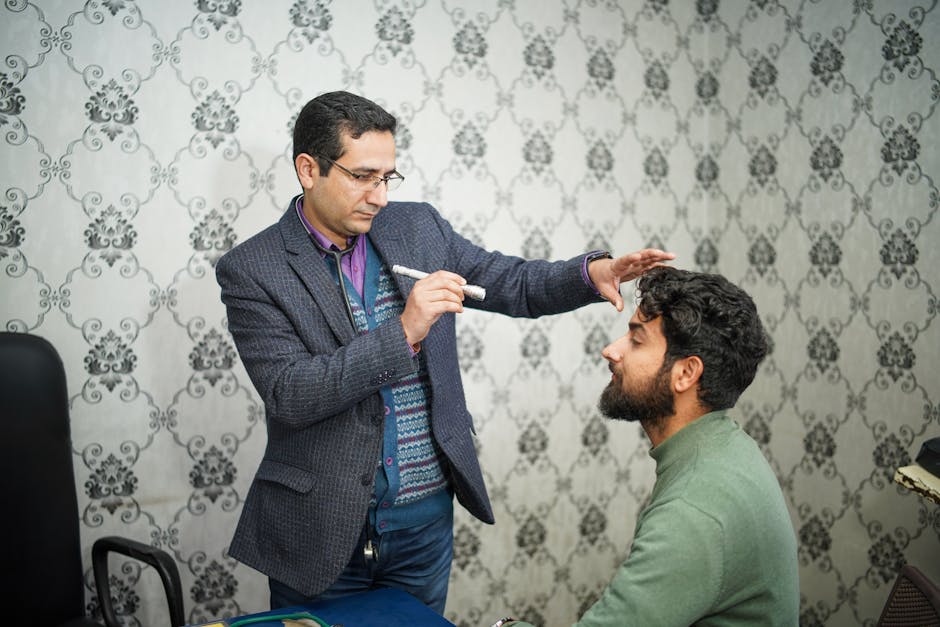
The hair transplant procedure typically begins with a consultation, during which the surgeon evaluates the patient’s hair loss pattern and discusses their expectations. It is crucial for patients to have realistic expectations regarding the results, as hair transplants do not provide an instant solution.
On the day of the procedure, the surgeon will administer local anesthesia to ensure the patient is comfortable throughout the process. Depending on the technique chosen, the procedure can take anywhere from four to eight hours. During the surgery, the surgeon will carefully place the grafts in the desired areas, paying close attention to the angle and direction of hair growth to achieve a natural appearance.
Recovery and Aftercare
After the procedure, patients can expect some swelling and discomfort, which can be managed with prescribed pain medication. It is essential to follow the surgeon’s aftercare instructions closely to ensure optimal healing and results. Patients are typically advised to avoid strenuous activities and excessive sun exposure for a few weeks following the surgery.
Hair growth will begin to occur within a few months, with full results visible within a year. It is essential to remain patient during this process, as hair growth can vary from person to person. Regular follow-up appointments with the surgeon will help monitor progress and address any concerns.
For those considering a hair transplant, it is crucial to research and select a reputable clinic. For instance, many individuals look into options such as hair transplant istanbul due to the combination of advanced techniques and competitive pricing.
Conclusion
Hair transplant procedures have come a long way, offering effective solutions for those struggling with hair loss. By understanding the different techniques available and what to expect during the process, individuals can make informed decisions about their hair restoration journey. Consulting with qualified professionals is essential to ensure the best possible outcome and regain confidence in one’s appearance.