Bedbugs have become a persistent nuisance for many households, infesting beds, furniture, and personal belongings. These tiny, nocturnal insects can disrupt sleep and lead to significant discomfort. Understanding how to effectively exterminate bedbugs is crucial for restoring peace in your home. In this article, we will explore various methods for eliminating bedbugs, preventive measures, and tips for ensuring a bedbug-free environment.
Understanding Bedbugs
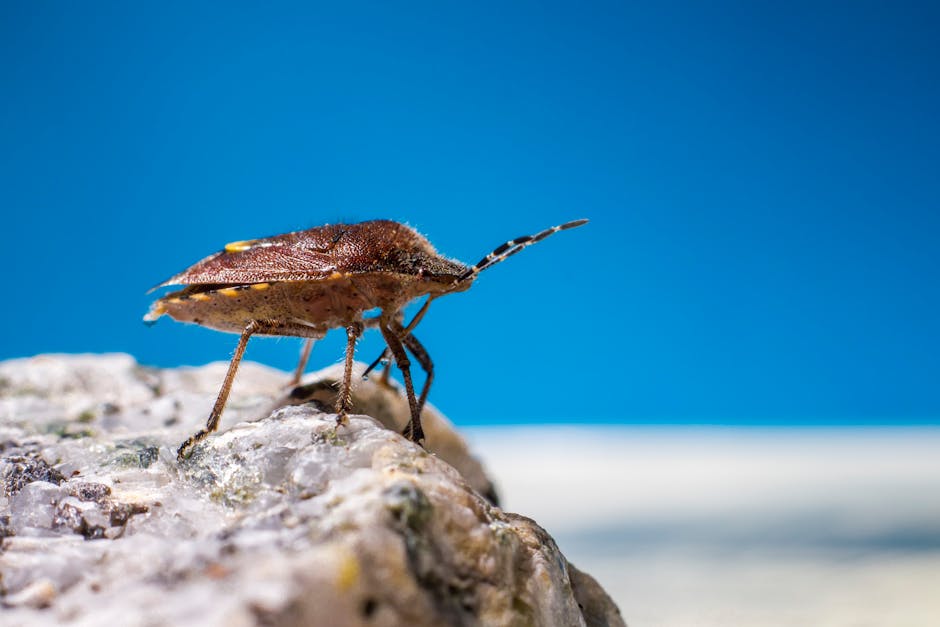
Bedbugs, scientifically known as Cimex lectularius, are small, reddish-brown insects that feed on the blood of humans and animals. They are typically active at night, making them difficult to spot. Adult bedbugs can grow up to 5 mm long, while younger nymphs are much smaller. Their bites can cause itchy welts and allergic reactions in some individuals. According to the Environmental Protection Agency (EPA), bedbug infestations have been on the rise in recent years, making awareness and knowledge essential for effective control.
Recognizing the signs of a bedbug infestation is the first step in addressing the problem. Common indicators include small blood stains on sheets, dark spots of bedbug excrement, and the presence of shed skins. If you suspect a bedbug infestation, it’s important to act quickly to prevent the problem from worsening.
DIY Bedbug Extermination Methods
For those looking to tackle bedbug problems on their own, several effective DIY methods can be employed. One popular approach is the use of heat treatment, which involves raising the temperature of infested areas to lethal levels for bedbugs. This can be achieved using steam cleaners, which can penetrate mattresses and furniture, effectively killing bedbugs at all life stages.
Another DIY option is the use of diatomaceous earth, a natural insecticide that can be sprinkled in areas where bedbugs are suspected. This fine powder is abrasive and can damage the exoskeleton of bedbugs, leading to dehydration and death. When using diatomaceous earth, it’s important to ensure that it is food-grade to avoid toxicity to pets and humans.
Additionally, regular vacuuming and washing of bedding and clothing in hot water can help eliminate bedbugs and their eggs. After vacuuming, it is essential to dispose of the vacuum bag properly or empty the canister immediately, as bedbugs can survive in these areas.
Professional Bedbug Extermination Services
While DIY methods can be effective, severe infestations may require the expertise of professional exterminators. Professional pest control services have access to industrial-grade insecticides and advanced treatment methods that are not available to the general public. One effective technique used by professionals is the application of heat treatments, which can effectively eliminate bedbugs from an entire home.
Hiring a professional also means that the exterminators will be able to identify the extent of the infestation and provide a tailored treatment plan. They often combine chemical treatments with non-chemical methods, ensuring a comprehensive approach to bedbug extermination. For those considering hiring an expert, it’s advisable to research local pest control companies and look for reviews and testimonials from previous clients.
It’s also worth noting that many pest control companies offer guarantees for their services, which can provide peace of mind for homeowners.
Preventing Future Infestations
Once you have successfully exterminated bedbugs from your home, it’s crucial to take steps to prevent future infestations. One effective strategy is to regularly inspect your home for signs of bedbugs, especially in areas like bedrooms, living rooms, and travel luggage.
When traveling, it’s wise to inspect hotel rooms for bedbugs before settling in. Look for signs such as blood spots on sheets or small dark spots on the mattress. Additionally, keeping luggage off the floor and using protective mattress and pillow covers can help minimize the risk of bringing bedbugs home.
Regular cleaning and decluttering can also help reduce the likelihood of a bedbug infestation. By eliminating hiding spots and maintaining a clean environment, you can deter bedbugs from making your home their habitat.
Conclusion
Bedbug extermination is a multifaceted process that requires diligence and proper strategies. Whether you choose to tackle the problem yourself or enlist the help of professionals, understanding the biology of bedbugs and their behaviors is key to successful eradication. Implementing preventive measures can further ensure that your home remains bedbug-free. For effective bed bug treatment, consider both DIY methods and professional services to regain control over your living space.