In recent years, virtual tour photography has emerged as a groundbreaking approach to visual storytelling and marketing. With advancements in technology, businesses and individuals alike are leveraging this innovative medium to create immersive experiences that captivate audiences. Whether it’s showcasing real estate, tourist attractions, or even events, virtual tours offer a unique way for viewers to engage with content in a more interactive manner.
What is Virtual Tour Photography?
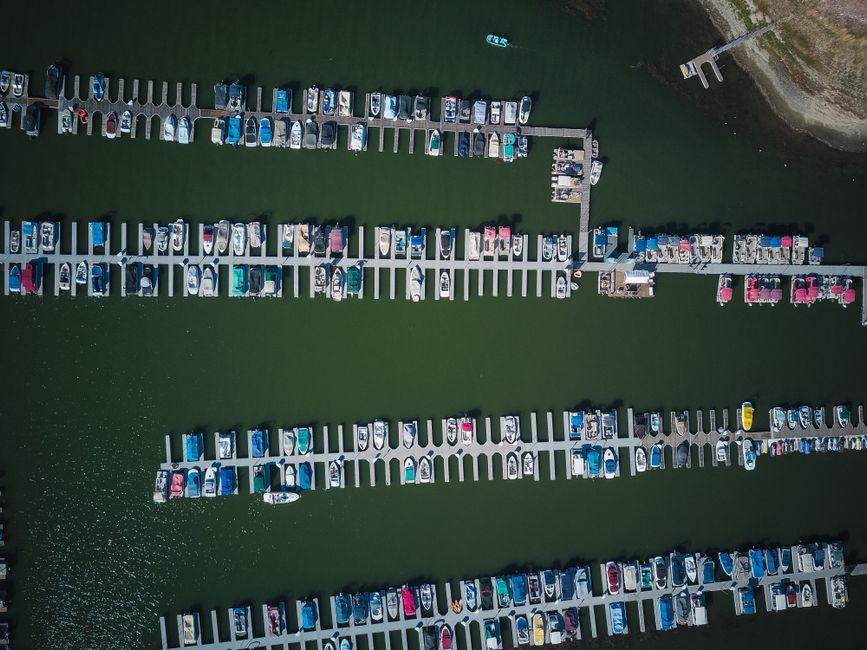
Virtual tour photography involves creating a series of panoramic images that are stitched together to form a seamless 360-degree view of a location. This technique allows viewers to explore spaces as if they were physically present, offering a more engaging experience compared to traditional photography. The process typically includes capturing high-resolution images using specialized cameras or drones, followed by post-processing to ensure a smooth transition between images.
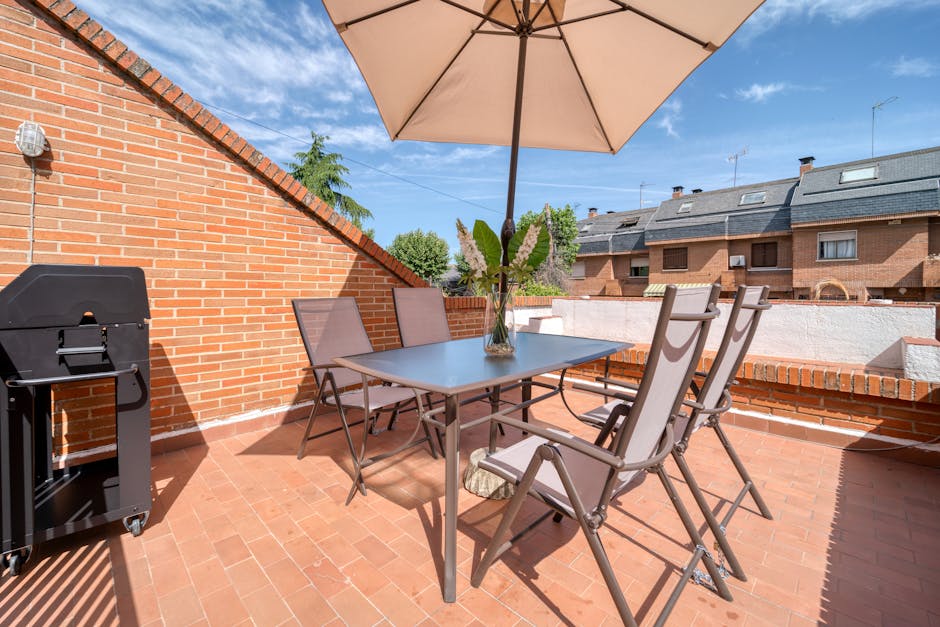
The significance of virtual tour photography lies in its ability to provide an immersive experience. For instance, a real estate agent can use a virtual tour to showcase a property, allowing potential buyers to navigate through rooms, view details, and get a sense of the layout without needing to visit in person. This not only saves time but also enhances the decision-making process.
Benefits of Virtual Tour Photography
One of the primary advantages of virtual tour photography is its impact on engagement. According to studies, listings with virtual tours can receive up to 87% more views compared to those with standard photos. This enhanced engagement translates to higher interest and, ultimately, increased conversions.
Moreover, virtual tours can significantly improve the user experience on websites. By integrating an interactive tour, businesses can keep visitors on their site longer, reducing bounce rates and increasing the likelihood of inquiries or purchases. This is particularly beneficial for sectors such as real estate, hospitality, and tourism, where visual appeal plays a crucial role in attracting customers.
How to Create a Virtual Tour
Creating a virtual tour involves several steps, starting with planning the shoot. It’s essential to identify key areas that will resonate with the target audience. Once the locations are chosen, the photographer can use a 360-degree camera or a DSLR with a panoramic head to capture the images. Proper lighting and composition are critical to ensure high-quality visuals.
After capturing the images, the next step is stitching them together using software designed for virtual tour creation. This software allows for the integration of hotspots, which can link to additional information, images, or videos, enhancing the interactive experience. Finally, the completed tour can be embedded on websites or shared through social media platforms, making it easily accessible to a wider audience.
Applications of Virtual Tour Photography
The applications of virtual tour photography are vast and varied. In the real estate industry, agents use virtual tours to attract buyers and showcase properties in a competitive market. Similarly, hotels and resorts utilize virtual tours to display their amenities, helping potential guests envision their stay.
Moreover, educational institutions have started implementing virtual tours to give prospective students a glimpse of campus life, while museums and galleries use this technology to reach a global audience without geographical limitations. For example, a museum can offer a virtual tour that allows users from around the world to explore exhibits and learn about art and history from the comfort of their homes.
The Future of Virtual Tour Photography
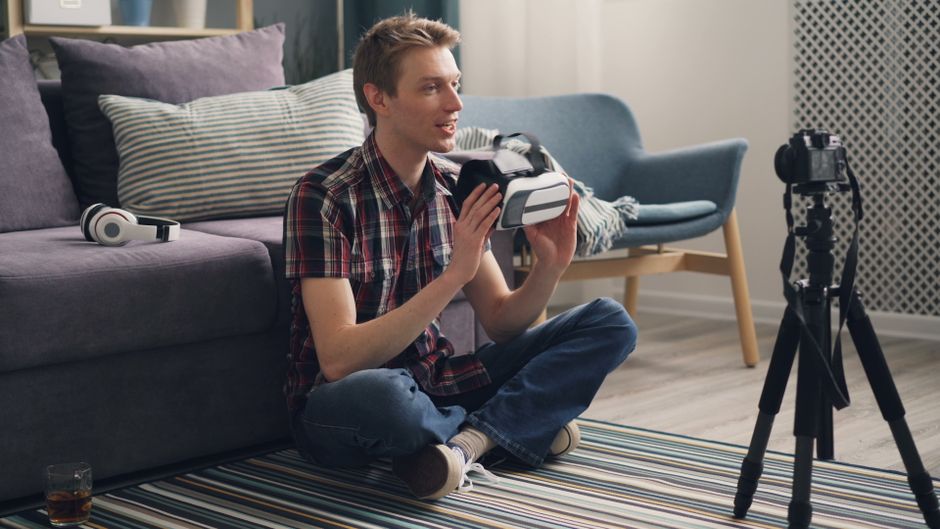
As technology continues to evolve, the future of virtual tour photography looks promising. Innovations such as virtual reality (VR) and augmented reality (AR) are beginning to blend with traditional virtual tours, creating even more immersive experiences. With the rise of 5G technology, users can expect faster loading times and higher-quality visuals, making virtual tours more accessible and enjoyable.
Furthermore, businesses are continuously discovering new ways to utilize virtual tours in their marketing strategies. From virtual open houses to interactive walkthroughs for product launches, the potential applications are limitless. As consumers increasingly seek engaging and interactive content, virtual tour photography will undoubtedly remain a vital tool in the digital marketing arsenal.
In conclusion, virtual tour photography is redefining how we experience and engage with visual content. By providing immersive, interactive experiences, it allows businesses to showcase their offerings in a way that resonates with audiences. As technology advances, the possibilities for virtual tours will only continue to expand, making it an exciting field for both creators and consumers alike. For those looking to explore this innovative medium, consider diving into the world of virtual tour photography and discover the impact it can have on your marketing efforts.