
In the digital age, the way we purchase tickets for concerts and events has transformed dramatically. With the rise of technology and the internet, concert ticketing platforms have become essential for both fans and event organizers. This article delves into the evolution of these platforms, their features, and how they are shaping the future of live events.
The Evolution of Ticketing Platforms
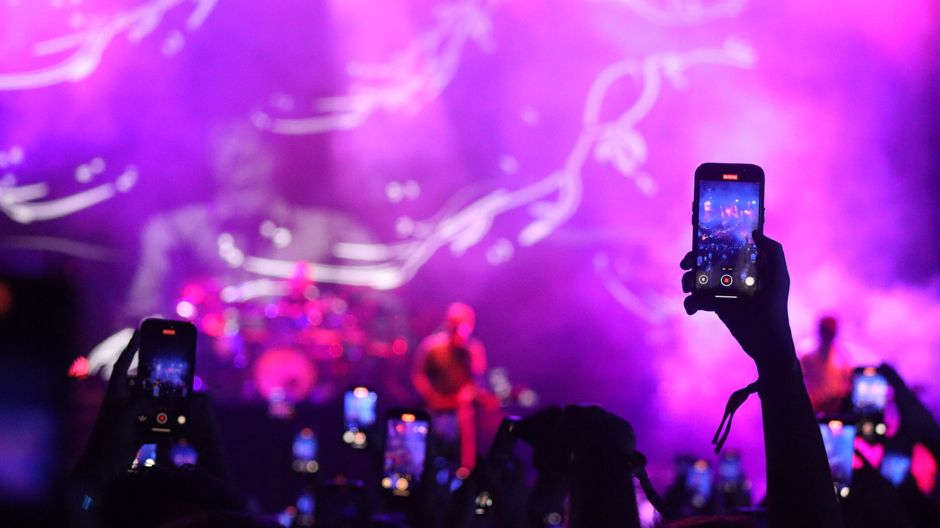
Traditionally, purchasing concert tickets involved waiting in long lines at physical box offices or calling in to reserve seats. However, with the advent of online concert ticketing platforms, this process has been streamlined significantly. Platforms like Ticketmaster and Eventbrite have revolutionized the way tickets are bought and sold, allowing fans to secure their spots from the comfort of their homes.
According to a report by Statista, the global online ticketing market is projected to reach over $70 billion by 2026. This growth can be attributed to the increasing popularity of live events and the convenience that online platforms provide. Fans can now browse through various events, compare prices, and purchase tickets with just a few clicks.
Moreover, the rise of mobile applications has further simplified the ticket-buying experience. With the ability to purchase tickets on-the-go, fans are more likely to buy tickets impulsively, boosting sales for event organizers.
Key Features of Modern Concert Ticketing Platforms
As competition among concert ticketing platforms heats up, many are adding innovative features to attract users. One notable feature is the integration of social media. Platforms now allow users to share events with friends or invite them to attend, fostering a sense of community around concerts.
Additionally, many platforms offer personalized recommendations based on user preferences and past purchases. This not only enhances user experience but also increases the likelihood of ticket sales. For instance, if a user often purchases tickets for rock concerts, the platform will suggest similar upcoming events.
Another important aspect is the security of transactions. With the rise of digital purchases, concerns over fraud and data breaches have grown. Reputable ticketing platforms invest heavily in cybersecurity measures to protect their users’ personal information and ensure a safe purchasing experience.
The Role of Resale Marketplaces
Resale marketplaces have also emerged as a significant part of the concert ticketing ecosystem. Fans who are unable to attend an event can sell their tickets through these platforms, allowing others to purchase them at a potentially lower price. This not only benefits the original ticket holders but also provides opportunities for those who may have missed out on the initial sale.
However, the resale market is not without its controversies. Issues such as scalping—where tickets are purchased in bulk and resold at inflated prices—have led to criticism of these platforms. As a response, many ticketing companies have implemented measures to combat scalping, such as limiting the number of tickets that can be purchased per transaction.
Despite these challenges, the resale market continues to thrive. A survey from the National Independent Venue Association found that 65% of concertgoers have purchased tickets from resale platforms at least once, highlighting their importance in the overall ticketing landscape.
The Impact of Technology on Live Events
Technology is not just changing how tickets are sold; it is also transforming the live event experience itself. Virtual reality (VR) and augmented reality (AR) technologies are beginning to make their mark on concerts, offering fans unique experiences that were previously unimaginable.
For example, some platforms are experimenting with VR concerts, allowing fans to attend live performances from the comfort of their homes. This has the potential to expand the audience reach significantly, as geographic limitations are no longer a barrier.
Furthermore, data analytics play a crucial role in understanding consumer behavior and preferences. Concert ticketing platforms utilize data to tailor marketing strategies, enhance customer engagement, and optimize pricing models. By analyzing purchasing trends, they can predict demand and adjust their offerings accordingly.
Looking Ahead: The Future of Concert Ticketing
As we look to the future, it is clear that concert ticketing platforms will continue to evolve. Emerging technologies like blockchain may further enhance transparency and security in ticket sales, while AI-driven algorithms could revolutionize user experience by providing even more personalized recommendations.
Moreover, as the world becomes increasingly interconnected, the demand for live events will likely continue to rise. This presents an exciting opportunity for concert ticketing platforms to innovate and adapt to the changing landscape of entertainment consumption.
In conclusion, the concert ticketing industry is at a pivotal point in its evolution. With advancements in technology and a growing emphasis on user experience, platforms are positioned to not only meet the needs of today’s concertgoers but also to anticipate the desires of future audiences. For those looking to explore the latest offerings in this space, platforms like concert ticketing platform are paving the way for a new era of live entertainment.