
In an age where environmental concerns are at the forefront of global discussions, the role of plastic recycling companies has never been more critical. With millions of tons of plastic waste generated each year, these companies are vital in mitigating the impact of plastic pollution on our planet. This article delves into the significance of plastic recycling companies, their operational processes, and their contributions to a sustainable future.
Understanding Plastic Waste
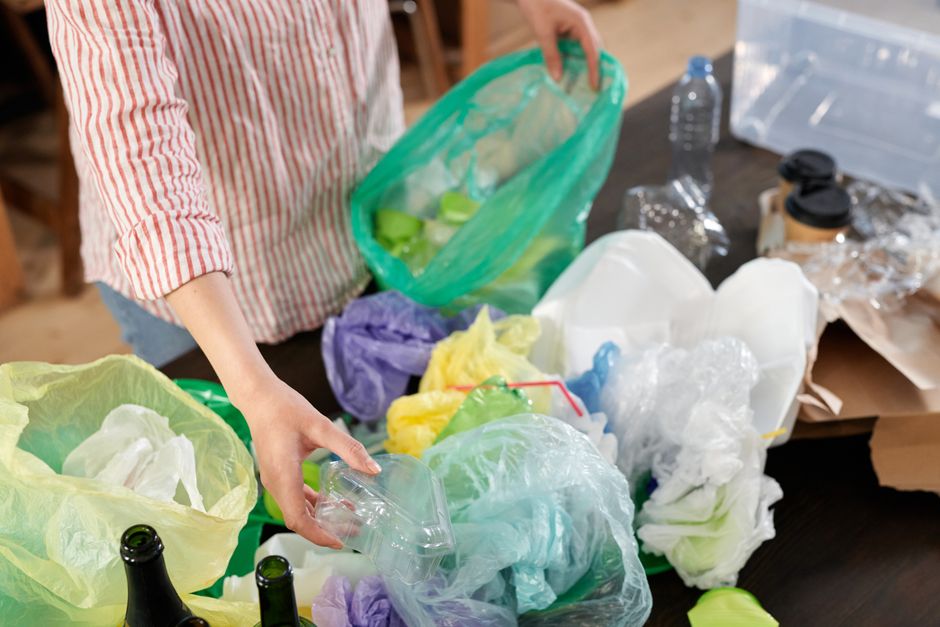
Plastic waste is a pervasive issue affecting land, waterways, and oceans worldwide. According to a report by the United Nations, approximately 300 million tons of plastic are produced globally each year, with only a fraction being recycled. This staggering statistic highlights the urgent need for effective recycling solutions. Plastic recycling companies play a crucial role in addressing this challenge by providing the infrastructure and processes necessary to convert plastic waste into reusable materials.
One of the primary reasons plastic waste is such a significant problem is its durability. Plastics can take hundreds of years to decompose, leading to the accumulation of waste in landfills and natural environments. As a result, recycling becomes not just a choice but a necessity to reduce the volume of waste and its corresponding environmental impact.
The Recycling Process
The process of recycling plastic involves several steps, each designed to ensure that the material is effectively processed and repurposed. First, plastic waste is collected from various sources, including households, businesses, and industrial sites. Once collected, the waste is sorted by type and color, as different types of plastics require different recycling methods.
After sorting, the plastic is cleaned to remove any contaminants, such as food residue or labels. This is a crucial step, as impurities can compromise the quality of the recycled material. Once cleaned, the plastic is shredded into small pieces, which are then melted down and formed into pellets. These pellets can be sold to manufacturers to create new plastic products, thus completing the recycling loop.
Economic and Environmental Benefits
The economic benefits of plastic recycling companies are substantial. They create jobs in collection, sorting, processing, and manufacturing. In fact, a study by the Environmental Protection Agency (EPA) found that recycling and reuse activities in the United States accounted for 1.17 million jobs and $236 billion in revenue in 2016 alone.
Moreover, recycling plastic conserves natural resources by reducing the need for new raw materials. For instance, producing new plastic from recycled materials uses significantly less energy compared to manufacturing from virgin materials. According to the National Recycling Coalition, recycling one ton of plastic saves approximately 7.4 cubic yards of landfill space and reduces greenhouse gas emissions by 3.8 tons.
Challenges Facing Plastic Recycling Companies
Despite their importance, plastic recycling companies face numerous challenges. One significant hurdle is the contamination of recyclable materials. Many consumers are not fully aware of what can and cannot be recycled, leading to increased contamination rates. This not only complicates the recycling process but can also result in entire batches of materials being sent to landfills.
Additionally, the fluctuating market for recycled materials can pose financial challenges for recycling companies. Prices for recycled plastics can vary significantly, making it difficult for these companies to maintain profitability. As a result, many are advocating for stronger legislation and incentives to support the recycling industry and ensure its sustainability.
Future of Plastic Recycling
The future of plastic recycling companies looks promising, especially with advancements in technology and increasing public awareness of environmental issues. Innovations such as chemical recycling, which breaks down plastics at a molecular level, are emerging as potential solutions to some of the challenges facing traditional recycling methods.
Moreover, as consumers become more environmentally conscious, the demand for recycled products is likely to increase. Companies are beginning to incorporate recycled plastics into their manufacturing processes, which not only helps reduce waste but also appeals to eco-minded consumers. One example is Coca-Cola, which has committed to using 50% recycled content in its plastic bottles by 2030.
In conclusion, plastic recycling companies are essential players in the fight against plastic pollution. By understanding the importance of these companies, their processes, and the challenges they face, we can all play a part in promoting a more sustainable future. Initiatives that support and enhance the capabilities of these companies are crucial as we navigate the complex landscape of plastic waste management. For those seeking to partner with a reputable recycling service, a reliable plastic recycling company can make a significant difference.