
The maritime industry is a cornerstone of global trade, and at its heart lies the engine that powers vessels across oceans and seas. Selecting the right marine engine supplier is crucial for shipbuilders, fleet operators, and maritime service providers alike. This article delves into the factors to consider when choosing a marine engine supplier, the benefits of partnering with the right company, and industry trends influencing this vital decision.
Understanding the Importance of Marine Engine Suppliers
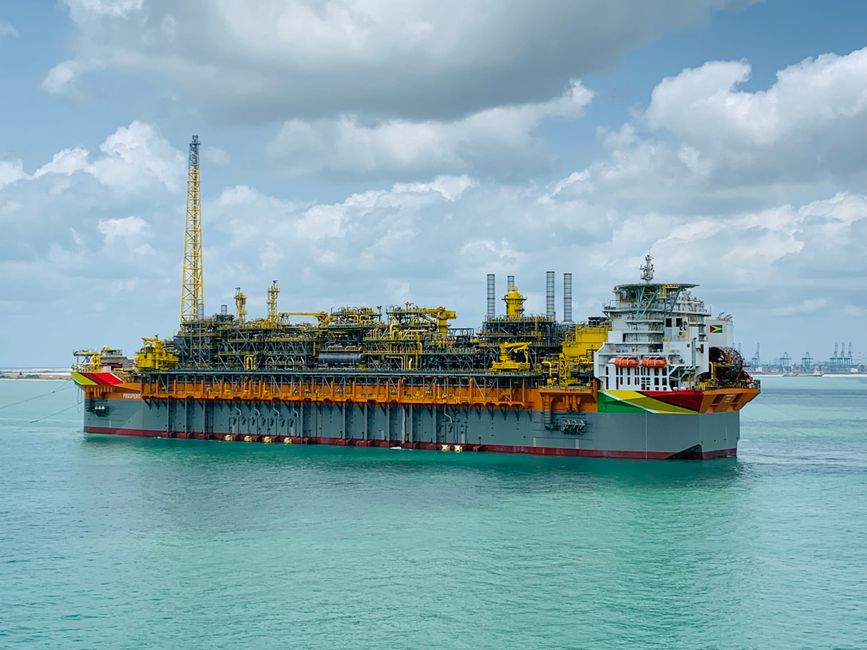
Marine engines are the lifeblood of any shipping operation. They not only propel vessels but also affect overall operational efficiency, fuel consumption, and maintenance costs. A reliable marine engine supplier should provide engines that meet regulatory standards while delivering superior performance. It’s essential to evaluate the supplier’s history, reputation, and technical expertise in the field.
In addition, suppliers should offer comprehensive support, including installation, maintenance, and after-sales services. The ability of a supplier to provide timely parts and technical assistance can significantly impact the operational uptime of a vessel. Therefore, assessing the supplier’s customer service and support network is a key factor in the decision-making process.
Key Factors to Consider When Choosing a Supplier
When selecting a marine engine supplier, several factors come into play:
- Quality and Reliability: Investigate the quality of the engines offered. Look for certifications and endorsements from recognized maritime organizations.
- Technological Innovation: A supplier that invests in research and development can provide cutting-edge technology that enhances fuel efficiency and reduces emissions.
- Customization Options: Depending on the specific needs of your fleet, a flexible supplier that offers tailored solutions can be invaluable.
Furthermore, understanding the supplier’s experience in your particular segment of the maritime industry—be it commercial shipping, fishing, or leisure boating—can provide insights into their ability to meet your specific requirements.
The Role of After-Sales Support and Maintenance
After the purchase, the relationship with the marine engine supplier continues. After-sales support is critical for ensuring that engines perform optimally throughout their lifespan. A good supplier should offer extensive training for crew members on engine operation and maintenance. Additionally, they should have a robust supply chain for spare parts to minimize downtime.
Maintenance is not just about fixing problems; it’s about preventive measures that can prolong the life of the engine and enhance performance. Regular inspections and updates are essential, and suppliers that provide proactive maintenance schedules can help operators avoid costly repairs and downtime.
Emerging Trends in Marine Engine Supply
The marine engine supply industry is evolving rapidly, influenced by technological advancements and changing regulations. One of the significant trends is the shift towards greener technologies, with suppliers increasingly focusing on developing engines that comply with stringent environmental regulations.
Moreover, the integration of digital technologies is becoming commonplace. Suppliers are now offering engines equipped with IoT capabilities, allowing for real-time monitoring and data analysis to optimize performance. This trend not only enhances operational efficiency but also provides valuable insights into fuel consumption and maintenance needs.
Building Long-Term Partnerships with Suppliers
Establishing a long-term partnership with a marine engine supplier can yield numerous benefits. Such relationships foster trust and collaboration, enabling both parties to work closely on innovations and improvements tailored to specific operational needs.
Furthermore, a long-term commitment often leads to better pricing and favorable terms, as suppliers value consistent business. Building this relationship requires open communication and a clear understanding of both parties’ goals and expectations.
As the maritime industry continues to adapt to new challenges and opportunities, having a reliable marine engine supplier becomes increasingly important. By focusing on quality, support, and innovation, maritime operators can navigate the complexities of their operations with confidence.
For those looking for a reputable marine engine supplier, considering these factors will ensure that you make an informed decision that aligns with your operational needs and sustainability goals.
Conclusion
The selection of a marine engine supplier is a complex but critical decision for anyone involved in the maritime industry. By understanding the importance of quality, technological advancements, and after-sales support, stakeholders can choose a supplier that not only meets their current needs but also supports their long-term operational goals. As the maritime landscape continues to evolve, staying informed and proactive will be key to maintaining a competitive edge.