
Sheet metal fabrication is a fundamental process in manufacturing that involves transforming flat sheets of metal into various shapes and structures. This process is essential in a wide range of industries, from automotive to aerospace, and even in everyday household items. As technology advances, the methods and tools used in sheet metal fabrication continue to evolve, making it a critical area for both innovation and efficiency.
What is Sheet Metal Fabrication?
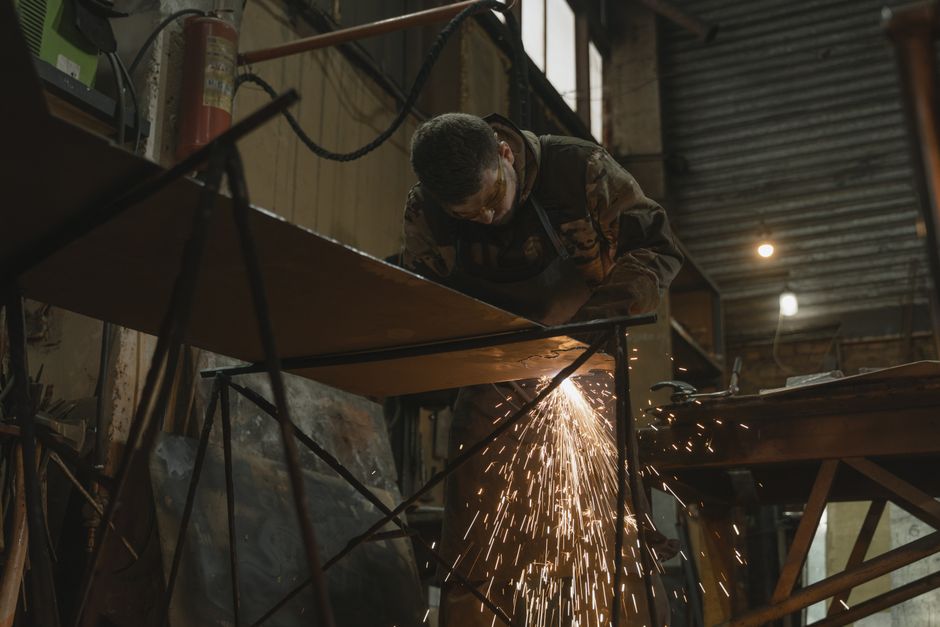
At its core, sheet metal fabrication refers to the techniques used to cut, bend, and assemble metal sheets into desired configurations. The materials used in this process can include aluminum, steel, copper, and brass, each offering unique properties that make them suitable for different applications. The initial step usually involves designing the part using Computer-Aided Design (CAD) software, which allows for precise specifications and adjustments.
After the design phase, the next stage is the cutting process. This can be accomplished through various methods such as laser cutting, water jet cutting, or plasma cutting. Each method has its advantages, with laser cutting often being favored for its precision and clean edges. Following cutting, the metal is often bent or formed using press brakes or rolling machines, allowing for complex shapes and configurations.
The Importance of Precision in Fabrication
Precision is a critical factor in sheet metal fabrication. Parts that are inaccurately cut or formed can lead to significant issues during assembly, resulting in increased costs and delays. This is particularly important in industries such as aerospace, where even minor errors can have severe implications for safety and performance. To ensure high levels of accuracy, many fabrication shops invest in advanced machinery and technology, including CNC (Computer Numerical Control) machines that automate the cutting and bending processes.
Moreover, the use of high-quality materials also plays a role in achieving precision. For instance, using high-grade stainless steel can ensure that the final product not only fits correctly but also withstands environmental factors and stress. Therefore, selecting the right materials, combined with precise fabrication methods, is essential for producing reliable products.
Trends in Sheet Metal Fabrication
The landscape of sheet metal fabrication is continuously changing due to advancements in technology and shifts in market demands. One of the most notable trends is the increasing use of automation and robotics in the fabrication process. Automated systems can enhance efficiency, reduce labor costs, and improve product consistency. For example, robotic arms can handle repetitive tasks such as welding or assembling components, freeing up human operators for more complex tasks.
Additionally, the integration of IoT (Internet of Things) technologies allows for better monitoring and management of the fabrication process. Manufacturers can collect real-time data on production metrics, enabling them to identify bottlenecks and optimize workflows. This data-driven approach is proving invaluable for improving efficiency and reducing waste, making it a top priority for modern fabrication facilities.
Sustainability in Sheet Metal Fabrication
As environmental concerns grow, sustainability has become an essential consideration in sheet metal fabrication. Companies are increasingly seeking ways to minimize their ecological footprint by adopting greener practices. This can include using recycled materials, optimizing cutting patterns to reduce waste, and implementing energy-efficient machinery.
Furthermore, sustainable practices in fabrication can also lead to cost savings. By reducing waste and energy consumption, companies can lower their operational costs while contributing to a more sustainable future. For instance, some manufacturers are now using software to create nesting layouts that maximize material usage, thus minimizing the amount of scrap produced during the cutting process.
Conclusion: The Future of Sheet Metal Fabrication
In conclusion, sheet metal fabrication is a vital aspect of modern manufacturing that plays a significant role across various industries. As technology continues to advance, the methods and practices within this field will likely evolve, emphasizing precision, automation, and sustainability. Professionals in the industry must stay informed about these trends to remain competitive and meet the ever-changing demands of the market.
For those interested in learning more about the intricacies of this process, exploring resources on sheet metal fabrication can provide deeper insights into techniques, materials, and innovations shaping the future of manufacturing.